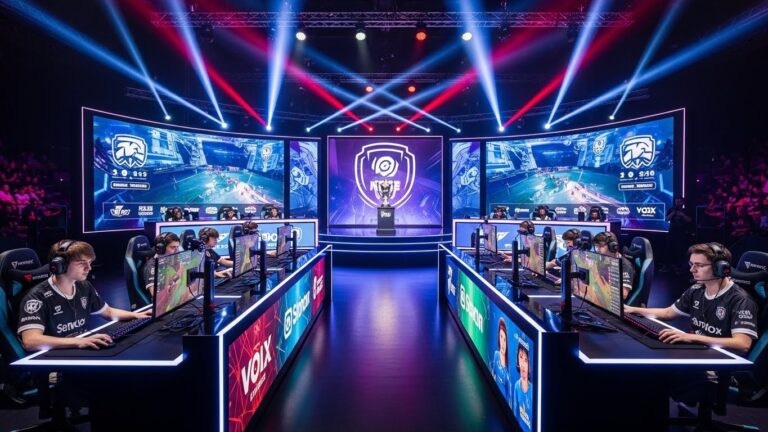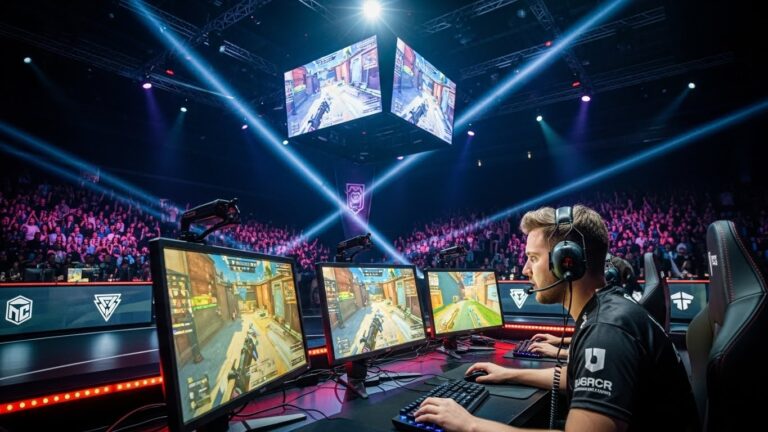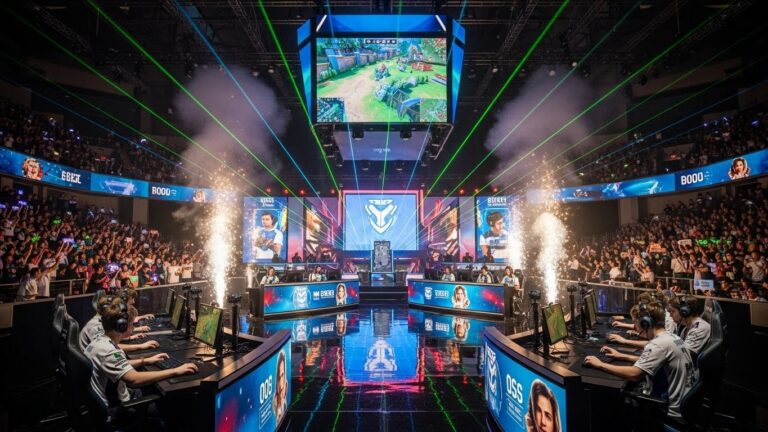

Esports, or electronic sports, has transformed from a niche hobby into a mainstream global phenomenon. What once began as small, local video game tournaments has now evolved into multi-million-dollar competitions broadcast to millions of viewers worldwide. The growth of esports mirrors the expansion of digital entertainment and reflects broader shifts in technology, culture, and sports itself. This post explores the evolution, impact, and future of esports, highlighting its significance in the modern era.
The Early Days of Competitive Gaming
Competitive gaming has been around almost as long as video games themselves. In the late 1970s and early 1980s, arcade games like Space Invaders and Pac-Man inspired informal competitions among players. However, it wasn’t until the 1990s, with the rise of personal computers and networked games, that competitive gaming began to gain a structured form.
Games such as Doom, Quake, and StarCraft played pivotal roles in shaping the competitive gaming scene. LAN (Local Area Network) tournaments allowed players to compete in person, fostering communities and rivalries. These early competitions laid the foundation for modern esports, creating a culture that emphasized skill, strategy, and teamwork.
The Evolution of Esports Titles
The development of esports has closely followed the evolution of video games themselves. Multiplayer online battle arenas (MOBAs), first-person shooters (FPS), and real-time strategy (RTS) games became the most popular genres for competitive play. Titles like League of Legends, Dota 2, and Counter-Strike: Global Offensive not only challenged players’ skills but also demanded significant strategic thinking and coordination.
MOBAs, for example, require precise teamwork, resource management, and tactical decision-making. FPS games test reflexes, accuracy, and split-second decision-making. RTS games push players to manage resources, plan strategies, and predict opponents’ moves. Each genre contributes to esports’ diversity, offering different experiences for players and spectators alike.
Esports as a Spectator Sport
One of the most remarkable aspects of esports is its ability to attract massive audiences. Online streaming platforms such as Twitch, YouTube Gaming, and regional streaming services have revolutionized how people watch competitive gaming. Millions of viewers tune in to watch professional players and teams compete, often following their favorite teams with the same intensity as traditional sports fans.
Major esports tournaments now rival traditional sports events in terms of viewership and fan engagement. Events like The International for Dota 2, the League of Legends World Championship, and CS:GO Majors draw global audiences in the tens of millions. Fans engage through live chats, fan art, and social media discussions, creating a vibrant community that goes beyond the game itself.
Professionalization and Careers in Esports
The professionalization of esports has opened new career paths. Top players earn substantial salaries, with additional income from sponsorships, streaming, and tournament winnings. Teams operate much like traditional sports organizations, employing coaches, analysts, managers, and support staff to maximize performance.
Esports also provides opportunities beyond playing professionally. Careers in game development, broadcasting, journalism, and event management are growing alongside the competitive scene. Universities and academies now offer scholarships for esports athletes, further legitimizing gaming as a serious career path.
The Role of Technology in Esports Growth
Technology has been a driving force behind esports’ expansion. High-speed internet, powerful gaming hardware, and sophisticated streaming software have made competitive gaming more accessible and spectator-friendly. Advanced analytics and AI tools help teams analyze opponents, refine strategies, and improve performance.
Streaming platforms have revolutionized content consumption. Viewers can watch live gameplay, tutorials, and commentary from professional players. Mobile gaming has also contributed to esports’ growth, particularly in regions where PCs and consoles are less common. Games like PUBG Mobile and Free Fire have created competitive scenes that attract millions of players globally.
Esports and Global Culture
Esports is not just about competition—it is a cultural phenomenon. Cosplay, fan art, memes, and music associated with games contribute to a broader cultural ecosystem. Gaming conventions and esports events serve as social hubs, bringing together players and fans from diverse backgrounds.
The international nature of esports fosters cross-cultural interaction. Players from different countries compete, collaborate, and communicate, often bridging linguistic and cultural barriers. This global reach also promotes inclusivity, providing a platform for individuals who might not engage with traditional sports.
Challenges Facing Esports
Despite its growth, esports faces significant challenges. Player burnout and mental health concerns are prominent issues due to the intense schedules and pressures of professional play. Organizations are beginning to address these concerns with structured training programs, counseling, and wellness initiatives.
Regulation and governance are also evolving. Issues like match-fixing, cheating, and unfair labor practices require oversight. Unlike traditional sports, esports lacks a universally recognized governing body, making standardization and fair play complex.
Additionally, there are debates over the classification of esports as “real” sports. Critics argue that the physical aspect is limited, while proponents highlight strategic thinking, reflexes, and teamwork as critical athletic skills. This discussion continues as esports becomes increasingly mainstream.
Esports in Education
Educational institutions are increasingly recognizing esports as a legitimate avenue for learning and skill development. Schools and universities are establishing esports clubs, courses, and competitive teams. These programs teach not only game-related skills but also teamwork, leadership, communication, and strategic thinking.
Scholarship programs in universities for esports athletes help legitimize the competitive gaming career path. Some schools even offer degrees in esports management, combining elements of business, marketing, and technology. This integration of esports into education underscores its growing societal impact.
Sponsorships and Economic Impact
The economic impact of esports is substantial. Brands from diverse sectors, including technology, beverages, and fashion, sponsor players and events, reaching a young and highly engaged audience. Companies view esports as a marketing platform with a direct connection to a digital-native demographic.
Tournaments generate revenue through ticket sales, merchandise, and streaming partnerships. Cities hosting major events experience economic boosts from tourism, media coverage, and associated activities. This commercial viability has accelerated investment, leading to more professional organizations and sustainable career paths for players.
Diversity and Inclusion in Esports
Esports has made strides in promoting diversity and inclusion. While the industry has historically been male-dominated, female gamers, LGBTQ+ players, and individuals from diverse backgrounds are increasingly visible. Initiatives promoting inclusivity are creating a more welcoming environment for all participants.
Representation matters in fostering a healthy and sustainable community. Streamers, commentators, and professional players from underrepresented groups inspire others and challenge stereotypes. The esports community continues to grow, balancing competitive rigor with cultural awareness and social responsibility.
Esports and Traditional Sports
The relationship between esports and traditional sports is evolving. Many sports organizations are investing in esports divisions or sponsoring tournaments, recognizing the potential of digital audiences. Concepts like team branding, fan engagement, and merchandise overlap, creating hybrid models that blend physical and digital sports.
Some traditional athletes participate in esports events, highlighting skill parallels and mutual respect between the domains. The cross-pollination of ideas and strategies between esports and conventional sports demonstrates the adaptability and broad appeal of competitive gaming.
The Future of Esports
Looking ahead, esports is poised for continued growth. Advancements in virtual reality (VR) and augmented reality (AR) may redefine how games are played and watched. Immersive technologies could offer fans first-person experiences, bringing them closer to the action than ever before.
Artificial intelligence and machine learning will further enhance gameplay analysis and strategy optimization. Global connectivity ensures that esports remains accessible to new audiences, fostering communities that transcend borders.
As esports matures, greater professionalism, structured governance, and mainstream recognition are likely. The integration of esports into education, entertainment, and corporate investment indicates that it will remain a significant part of modern culture.
Conclusion
Esports is more than just gaming—it is a cultural, technological, and economic force reshaping entertainment worldwide. Its growth reflects changing attitudes toward competition, media consumption, and career possibilities. From humble beginnings in arcades and LAN cafes to global stadiums and online platforms, esports has proven its capacity to captivate, inspire, and unite millions.
As the industry evolves, esports will continue to challenge conventions, innovate, and expand its influence. For players, fans, and stakeholders alike, it represents a dynamic intersection of skill, strategy, and community. The future of esports promises not only thrilling competitions but also opportunities for education, innovation, and cultural exchange, solidifying its place as a defining phenomenon of the digital age.
About the Author