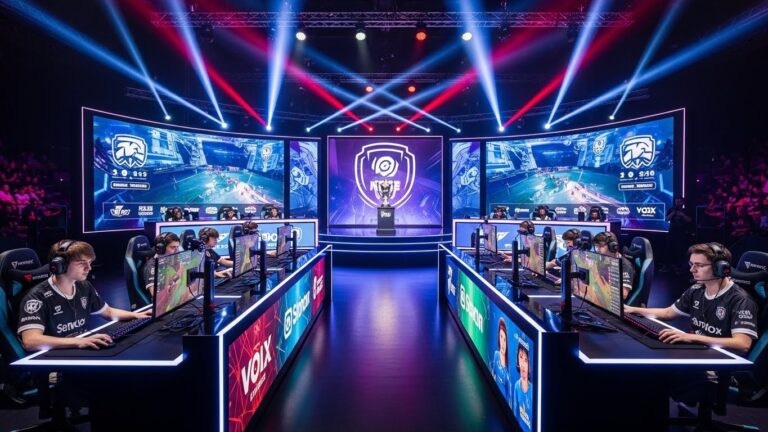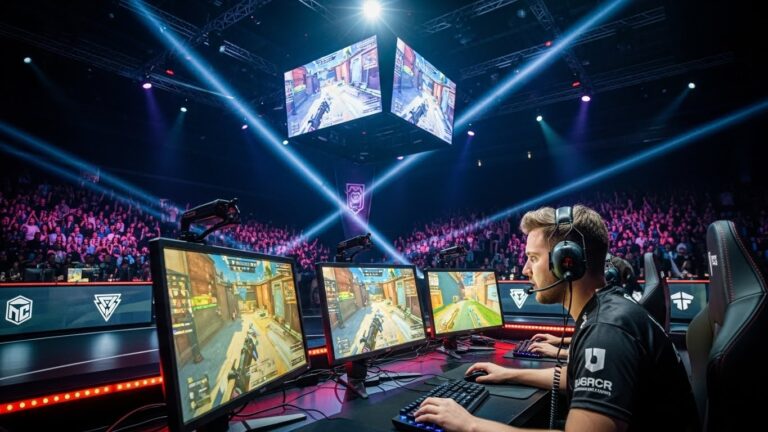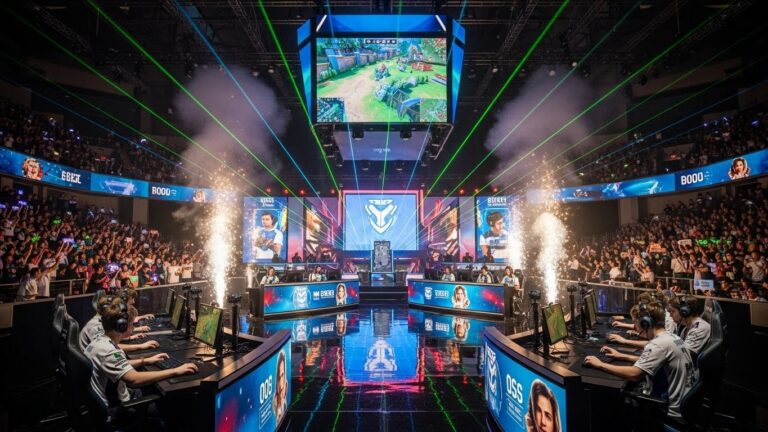

Introduction: Esports Takes Center Stage
In just a few short decades, esports has evolved from a niche hobby into a global phenomenon that commands millions of fans, players, and viewers. What was once a pastime enjoyed by a small but passionate group of gamers has transformed into a professional, highly lucrative industry that rivals traditional sports in terms of viewership, revenue, and cultural impact. Esports, which encompasses competitive video gaming, has rapidly grown into an international ecosystem with its own stars, teams, tournaments, sponsorships, and broadcast networks.
This shift in how we perceive gaming has opened up new possibilities for competition and entertainment. Esports now attracts top-tier athletes, major corporate sponsorships, and even universities offering scholarships to aspiring players. But how did we get here? What makes esports so appealing? And where is the industry headed? Let’s explore the world of esports from its humble beginnings to its current status as a multi-billion-dollar industry.
The Humble Beginnings of Esports
Esports, as we know it today, did not happen overnight. It began in the early days of gaming, during the 1980s and 1990s, when competitive play was primarily confined to local gatherings and small-scale tournaments. Multiplayer games like Doom and Warcraft in the 1990s allowed players to connect over local area networks (LANs) and engage in head-to-head battles, creating the first true sense of online competition. As the internet began to evolve, so did the possibilities for larger-scale online gaming.
In 1997, the Red Annihilation tournament for the game Quake was one of the first major events to draw attention to the potential of competitive gaming. The tournament’s grand prize—a Ferrari—set the stage for what would become an entirely new industry. From there, the competitive gaming scene slowly expanded, with organizations like Major League Gaming (MLG) and World Cyber Games (WCG) emerging to provide more structure to the growing esports community.
By the early 2000s, esports began to gain mainstream attention, especially in Asia and parts of Europe, where games like StarCraft and Counter-Strike garnered large followings. These games not only paved the way for future esports titles but also laid the groundwork for organized, professional tournaments.
The Rise of Esports: Expanding the Reach
In the 2010s, esports entered a new phase of growth. With the advent of live streaming platforms like Twitch and YouTube Gaming, esports competitions were no longer confined to physical venues. Instead, millions of viewers from around the world could now watch their favorite games and players in real-time, and engage with a global fanbase. This shift helped to propel esports into the mainstream, as it became easier for fans to follow the action from anywhere with an internet connection.
Tournaments such as The International for Dota 2 and the League of Legends World Championship became annual events, attracting not only gamers but also huge audiences of casual fans. The 2013 League of Legends World Championship broke viewership records, surpassing 32 million viewers—numbers that rival some of the largest televised sports events. In fact, esports events such as these now boast viewership figures that rival those of traditional sports like the Super Bowl and the NBA Finals.
One of the key factors in esports’ rise was the involvement of large tech companies. Streaming platforms, gaming hardware manufacturers, and even global corporations began to see the potential in sponsoring and promoting esports events. Brands like Intel, Coca-Cola, and Red Bull became some of the biggest backers of esports tournaments, adding legitimacy and financial backing to the industry. As a result, esports began to mirror traditional sports in terms of sponsorship, media rights, and audience engagement.
The Esports Industry Today: A Multibillion-Dollar Powerhouse
Today, the esports industry is a juggernaut. According to recent estimates, the global esports market is worth over $1 billion, and that number is only expected to grow. There are a variety of revenue streams fueling this growth, including:
- Sponsorships and Advertising: Major corporations like Mercedes-Benz, Nike, and Samsung have partnered with esports organizations to sponsor tournaments, teams, and individual players.
- Broadcasting Rights: Much like traditional sports leagues, esports events sell broadcasting rights to streaming platforms, TV networks, and even cable channels.
- Merchandise Sales: Esports teams, tournaments, and individual players sell branded merchandise such as apparel, accessories, and collectibles to their fanbases.
- Ticket Sales: Live esports events, particularly large tournaments held in arenas or stadiums, generate significant revenue from ticket sales and fan experiences.
- Subscription and Donations: Streaming platforms like Twitch and YouTube Gaming allow viewers to subscribe to their favorite channels, donate money, and even participate in interactive live streams, adding another layer of revenue for esports influencers.
The success of esports tournaments like The International (for Dota 2), League of Legends’ World Championship, and Counter-Strike: Global Offensive’s CS:GO Major Championships reflects the enormous popularity and financial investment in the sector. Prize pools for these tournaments have reached over $30 million in some cases, and top players can earn six-figure salaries through sponsorships and tournament earnings.
Popular Games That Define Esports
There is a wide variety of games that define the esports landscape, each with its own unique style of play, competitive format, and player base. Some of the most popular titles that dominate the competitive gaming scene today include:
- League of Legends (LoL): LoL is arguably the most popular and influential esports game in the world. As a multiplayer online battle arena (MOBA) game, it has a massive global following, with top-tier tournaments like the LoL World Championship drawing millions of viewers annually. The game’s deep strategic elements, fast-paced action, and team-oriented gameplay make it a staple of competitive gaming.
- Dota 2: Created by Valve, Dota 2 is another major MOBA with a passionate player base. The Dota 2 International tournament consistently boasts the largest prize pools in esports history, attracting top players from around the globe. Dota 2 is known for its complex gameplay, which requires advanced strategic thinking and teamwork.
- Counter-Strike: Global Offensive (CS:GO): CS:GO is one of the longest-running and most well-established esports titles. This first-person shooter game is known for its tactical depth and high skill ceiling. Major tournaments such as ESL Pro League and DreamHack offer large prize pools and attract top teams from all over the world.
- Fortnite: The Battle Royale genre exploded in popularity with the release of Fortnite. With its unique blend of shooting, building, and survival mechanics, Fortnite quickly became a global sensation. It also introduced a new model of esports, incorporating events that blend gaming with entertainment, such as in-game concerts and celebrity collaborations.
- Overwatch: Blizzard’s Overwatch has established itself as one of the leading team-based shooters in esports. Its emphasis on hero-based abilities and strategic team play has made it popular for both casual and competitive players. The Overwatch League (OWL) is one of the first major esports leagues to have a city-based team structure, similar to traditional sports leagues.
- Call of Duty (CoD): As one of the most iconic first-person shooter franchises, Call of Duty has maintained its place in competitive gaming through various iterations. The Call of Duty League (CDL) is the official esports league for the game, bringing together top teams from around the world.
Esports Careers: Players, Coaches, and Streamers
Esports offers a wide range of career opportunities, many of which were not available in traditional gaming culture. Professional players, coaches, analysts, and commentators can all find meaningful work in the industry. For players, the road to a successful career is demanding but rewarding. Top players spend hours every day practicing, strategizing, and competing at the highest levels. They are also supported by coaches, psychologists, and team managers who help optimize their performance.
The role of esports commentators and analysts has also grown in importance. These individuals provide live commentary, analysis, and insights during broadcasts, helping to engage the audience and explain the action to viewers. As the industry grows, the demand for skilled broadcasters continues to rise.
Streamers are another important part of the esports ecosystem. Many professional players stream their practice sessions or casual gameplay on platforms like Twitch and YouTube Gaming, allowing fans to connect with them directly. Streamers build a personal brand, often interacting with their audience through live chats and Q&A sessions. Some, like Ninja and Shroud, have transitioned from competitive players to full-time content creators, earning millions of dollars through sponsorships, ad revenue, and merchandise sales.
The Future of Esports: Challenges and Opportunities
The esports industry has experienced remarkable growth, but like any young industry, it faces challenges that could impact its long-term trajectory. Some of the key issues facing esports include:
Player Burnout and Mental Health: The intense schedule of practice, tournaments, and travel can take a toll on players’ mental and physical well-being. Many professional players struggle with burnout, anxiety, and stress, making mental health a key issue for the industry.
Cheating and Match-Fixing: As the stakes of esports tournaments rise, so do concerns about cheating and match-fixing. Tournament organizers are implementing advanced anti-cheat technology and monitoring systems to address
About the Author