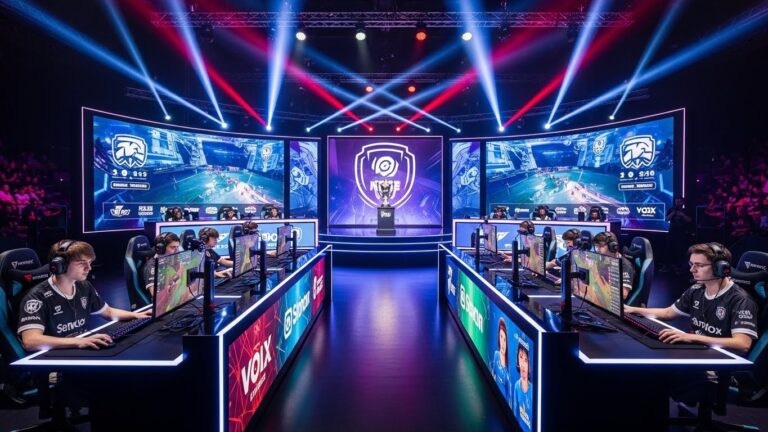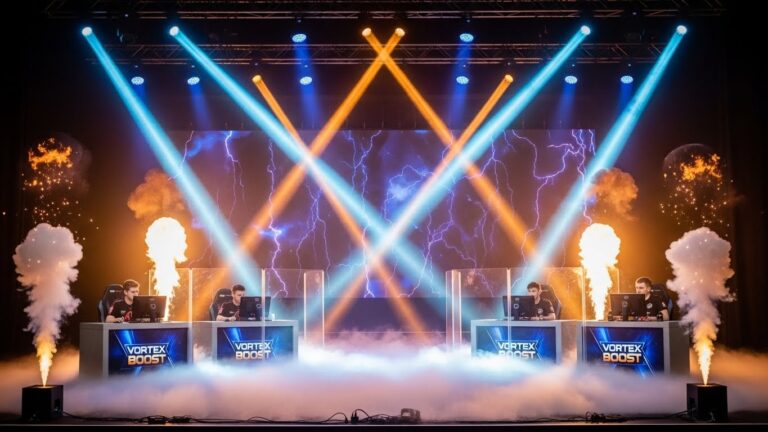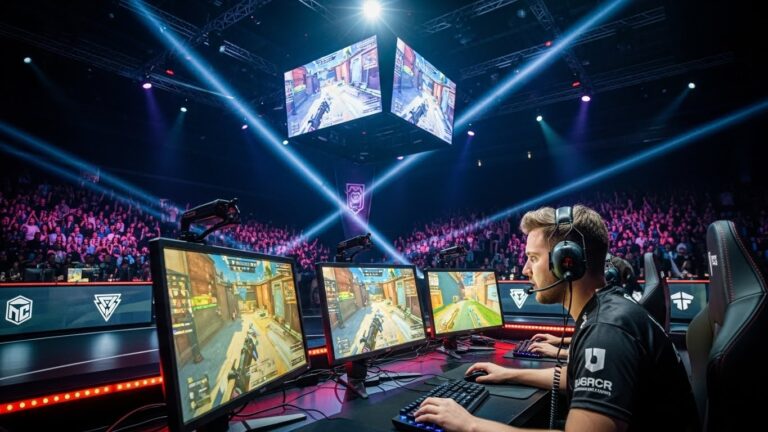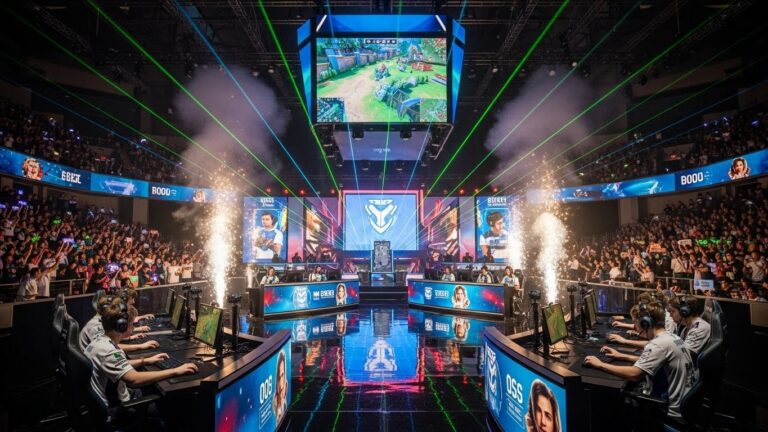
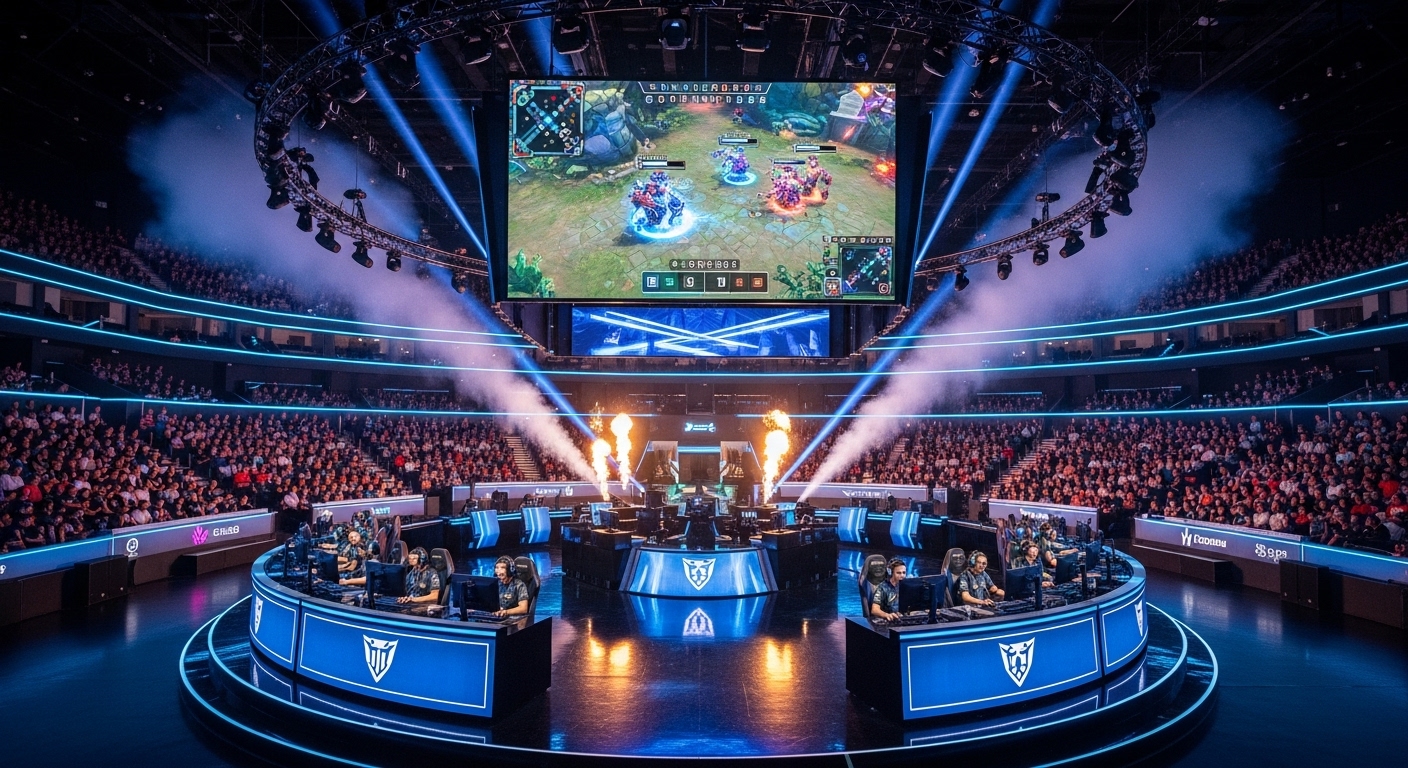
In the past few decades, the world of competitive gaming has undergone a remarkable transformation. What started as a niche hobby for a small group of enthusiasts has evolved into a global phenomenon that has redefined entertainment and sports. Esports, short for electronic sports, has grown exponentially, attracting millions of fans, athletes, and investors from around the world. Once relegated to arcades and local tournaments, esports now boasts massive international competitions, multi-million-dollar prize pools, and professional leagues watched by millions of fans.
This blog will dive into the rise of esports, the factors driving its success, its cultural impact, and what the future might hold for this burgeoning industry.
What is Esports?
Esports refers to the competitive side of video gaming, where professional players or teams compete in organized events or tournaments for prizes, sponsorships, and fame. Unlike casual gaming, esports is rooted in high-level competition that requires skill, strategy, and teamwork. Popular games in the esports ecosystem include strategy games like League of Legends, first-person shooters like Counter-Strike: Global Offensive, multiplayer online battle arenas (MOBAs) like Dota 2, and battle royale games like Fortnite.
Esports is not just about playing games at a high level; it’s about pushing the limits of what can be achieved in gaming. Professional players train intensively, honing their reflexes, game knowledge, and communication skills. Esports athletes, much like traditional sports stars, dedicate countless hours to their craft. This commitment has made esports a respected form of competitive entertainment, attracting millions of viewers to major events around the world.
The Origins of Esports
The roots of esports can be traced back to the early days of video gaming. In the 1970s, video games like Spacewar! became the first competitive games, though these were largely informal contests among friends or college students. It wasn’t until the late 1990s and early 2000s that competitive gaming began to take off.
The real turning point came with the introduction of StarCraft in 1998. In South Korea, the game became a cultural phenomenon, and Korean professional gaming leagues were established. These leagues laid the foundation for what would later become an international esports scene. The creation of online multiplayer games in the late 1990s and early 2000s was crucial, as it allowed players from across the world to compete against each other without the need for physical proximity.
Major League Gaming (MLG), founded in 2002, became one of the first big organizations to promote competitive gaming, hosting large-scale tournaments for games like Halo and Call of Duty. These early competitions drew a growing number of fans and sponsors, setting the stage for the next phase of esports.
The Growth of Esports in the 2010s
The 2010s marked the period when esports truly exploded into the mainstream. The rise of popular multiplayer games such as League of Legends and Dota 2 helped establish esports as a global industry. At the same time, platforms like Twitch revolutionized the way audiences engaged with gaming content.
Twitch, launched in 2011, allowed gamers to stream their gameplay live to an audience, opening up a new avenue for competition. Viewers could watch tournaments in real-time, interact with the players, and even participate in the community through live chat. As Twitch gained popularity, so too did the esports industry. The International, the premier Dota 2 tournament, offered a $1 million prize pool in its first year and quickly grew to offer prize money in the tens of millions. This was a watershed moment for esports, demonstrating that professional gaming could be as lucrative as traditional sports.
Other games like Counter-Strike: Global Offensive, Overwatch, and Fortnite further fueled the growth of esports. As these games gained massive global followings, esports began to attract corporate sponsorships, media coverage, and big investments. It wasn’t long before esports tournaments were held in huge arenas, filling stadiums with fans and generating viewership numbers on par with traditional sporting events.
Esports and Its Massive Economic Impact
Esports is not just about the players—it’s a full-fledged industry with a massive economic footprint. According to recent reports, the esports industry is valued at billions of dollars, with revenue streams coming from advertising, sponsorships, media rights, ticket sales, and merchandising. The industry continues to grow at a rapid pace, attracting investments from big corporations like Coca-Cola, Intel, and Red Bull, all of which see the immense value in reaching the esports audience.
Sponsorships are one of the key revenue drivers in esports. Just as traditional sports teams secure corporate backing, esports organizations are also benefiting from high-profile partnerships. Esports teams are often sponsored by major companies, whose logos appear on players’ jerseys and in tournament broadcasts. This sponsorship ecosystem has allowed esports teams to operate at the same scale as traditional sports franchises, with salaries, facilities, and equipment comparable to those of professional sports teams.
Broadcasting deals are another significant source of income for esports. Twitch remains the dominant platform for live streaming esports events, but other platforms like YouTube Gaming and Facebook Gaming are also in the race, vying for exclusive broadcasting rights. In fact, streaming platforms have become so central to the ecosystem that they are now the primary way fans experience esports competitions.
Esports and Its Global Reach
One of the defining characteristics of esports is its global appeal. Unlike traditional sports, which are often region-specific, esports has the ability to transcend borders. Games like League of Legends and Dota 2 have millions of players and fans from every corner of the globe, from the United States to China to Europe and beyond.
The international nature of esports is also reflected in its tournaments. Many major esports events, such as The International, the League of Legends World Championship, and the Overwatch League, are watched by fans around the world, with some tournaments being broadcast in multiple languages. In fact, esports is especially popular in Asia, where countries like South Korea, China, and Japan have become hotspots for competitive gaming. South Korea, in particular, is known as the birthplace of esports, with a rich history of competitive gaming leagues and a dedicated fanbase.
As esports continues to grow, it is becoming an important part of global sports culture. In fact, some traditional sports organizations have already begun to invest in esports. For example, the NBA has launched its own esports league, the NBA 2K League, and major football clubs like Paris Saint-Germain and Manchester City have signed professional gamers to represent their brands. These partnerships between traditional sports and esports demonstrate the growing mainstream acceptance of esports as a legitimate form of competition and entertainment.
Esports and Education: The New Frontier
As esports continues to grow, it is also making its way into higher education. Many universities around the world have started offering esports scholarships for students who excel in competitive gaming. These scholarships allow students to attend college while pursuing a career in esports, whether as players, coaches, analysts, or broadcasters.
In addition to scholarships, some universities have also developed esports programs that teach students the business and management side of the esports industry. Students can now earn degrees in esports management, learning how to organize tournaments, secure sponsorships, manage teams, and navigate the growing world of digital entertainment. These programs reflect the growing recognition of esports as a serious career path, offering opportunities for both gamers and professionals working behind the scenes.
Esports programs have also led to the creation of state-of-the-art gaming facilities on college campuses, where students can practice, compete, and showcase their talents. These dedicated esports arenas are a testament to the increasing importance of esports in the broader entertainment and academic landscape.
The Future of Esports
The future of esports looks incredibly bright. The industry is continuing to grow, with more tournaments, larger prize pools, and an expanding global fanbase. As technology advances, so too will the experiences esports can offer. Virtual reality (VR) and augmented reality (AR) have the potential to revolutionize the way esports is played and viewed, offering fans a more immersive experience than ever before.
Esports will also continue to evolve alongside developments in gaming technology. The introduction of faster internet speeds, more powerful gaming hardware, and the rise of cloud gaming will ensure that competitive gaming remains at the forefront of digital entertainment.
The possibility of esports being included in the Olympic Games is also something that many industry leaders are hopeful about. While esports is not yet an official Olympic sport, there have been ongoing discussions about its inclusion. As more countries embrace esports and its cultural significance, we may see it become an Olympic event in the near future.
Conclusion: A New Era of Entertainment
Esports has grown from a small niche activity to a global entertainment powerhouse, attracting millions of fans, players, and investors. Its rise has been driven by the convergence of gaming culture, technological advancements, and the growing popularity of streaming platforms. What was once seen as a fringe activity is now a mainstream phenomenon, with esports events filling stadiums and being broadcast to millions worldwide.
As esports continues to grow, it will not only redefine competitive gaming but also the entertainment industry as a whole. With increasing mainstream acceptance, lucrative career opportunities, and a global community, esports is here to stay—and its influence is only going to grow in the years to come.
About the Author