Introduction: The Rise of a Digital Sport
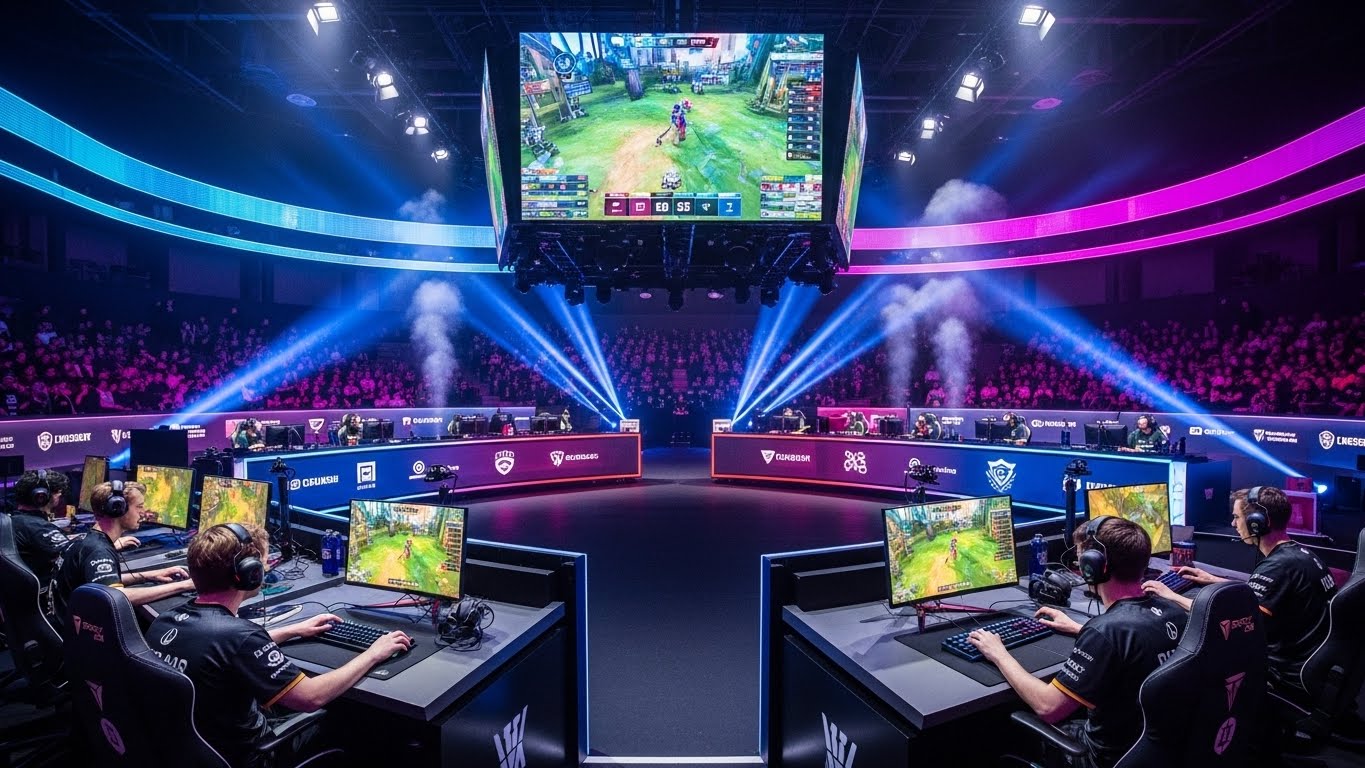
Esports, once considered a niche hobby for gamers, has now emerged as a major force in the world of entertainment and sports. From small competitions in arcades to massive global tournaments broadcast to millions, esports has transformed the way people perceive competitive gaming. Unlike traditional sports, where physical ability is paramount, esports relies on mental agility, strategic thinking, teamwork, and lightning-fast reflexes. Today, esports attracts not only players but also sponsors, investors, and audiences worldwide, establishing itself as a professional and cultural phenomenon. This blog explores the journey of esports, its impact, and its future potential.
The Early Days of Competitive Gaming
Competitive gaming has humble origins. In the late 1970s and 1980s, arcade competitions and early console tournaments were the first platforms where players could challenge each other. These events were informal, often organized by local communities or gaming clubs. Early games like Space Invaders and Pac-Man encouraged players to compete for high scores, while fighting games such as Street Fighter laid the foundation for one-on-one competitive matches.
The growth of personal computers in the 1990s opened new possibilities for competitive gaming. Titles like StarCraft and Counter-Strike created communities of players who competed online. Internet connectivity allowed gamers to challenge opponents from different cities and countries, transforming competitive play from a local pastime into a global experience. These early stages were critical in laying the foundation for the professional esports scene we see today.
The Birth of Professional Esports
The 2000s marked the professionalization of esports. Game developers and tournament organizers began supporting competitive events with prize pools and sponsorships. Professional teams emerged, training rigorously and recruiting players based on skill. The popularity of games like League of Legends, Dota 2, and Call of Duty turned esports into a structured industry with leagues, championships, and global fan followings.
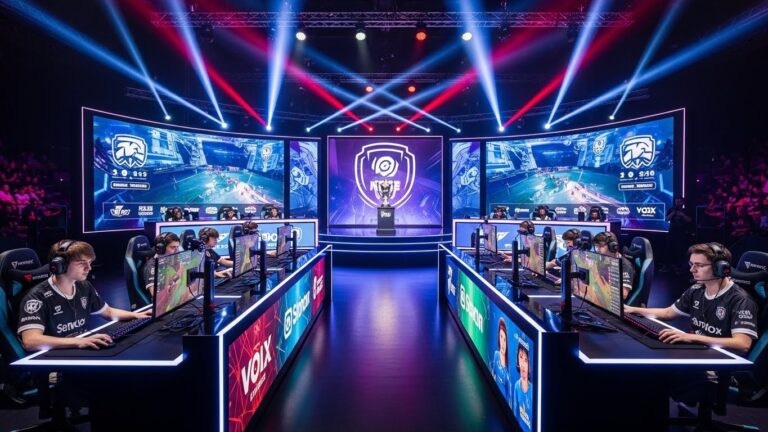
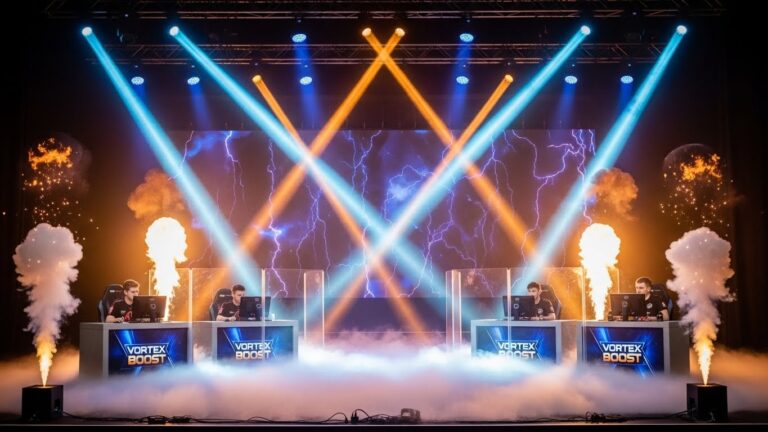
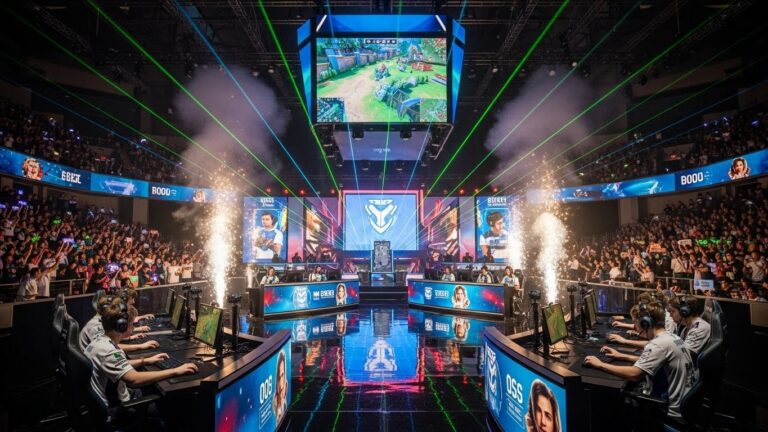
With organized tournaments, esports began to mirror traditional sports. Players signed contracts, teams developed strategies, and coaches became essential for performance improvement. This professionalization attracted media coverage and larger investments, which helped the industry grow exponentially. Today, major esports tournaments fill arenas and attract viewership numbers comparable to the Super Bowl.
Unique Aspects of Esports
Esports differs from traditional sports in several ways, yet shares many similarities. Unlike football or basketball, esports requires mastery of complex digital mechanics and rapid decision-making. The virtual nature of the sport allows games to evolve with regular updates, creating a dynamic competitive environment. Players must adapt to new strategies, character abilities, and balance changes, which keeps the scene fresh and unpredictable.
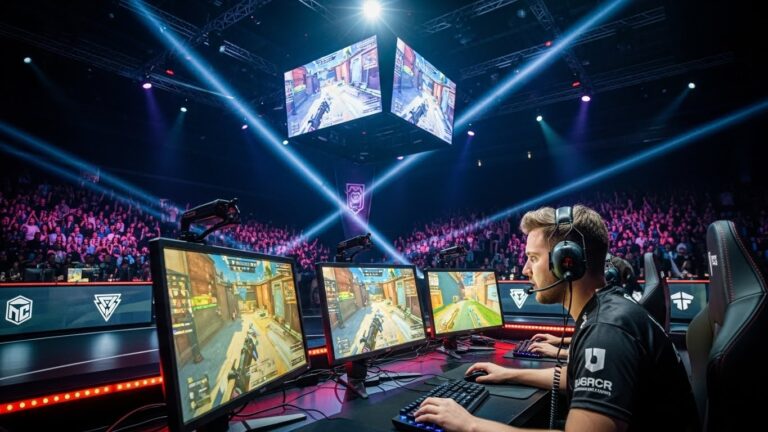
Despite being digital, esports demands mental and physical discipline. Top players practice for hours daily, focusing on strategy, communication, and reaction times. They often maintain fitness routines to support cognitive performance, illustrating that competitive gaming is as much about mental endurance as physical skill.
The Role of Community in Esports
A strong community is at the heart of esports. Fans are deeply engaged, participating through social media, forums, and streaming platforms. They follow players closely, discuss strategies, create fan art, and celebrate victories, making esports a cultural phenomenon. Unlike traditional sports where fans may feel distant from athletes, esports allows direct interaction between players and audiences, fostering a sense of connection and belonging.
Community involvement also drives growth. Esports thrives because fans actively share content, organize local tournaments, and support events. This participatory culture ensures that esports remains vibrant and constantly evolving, allowing players and fans to shape its trajectory.
The Impact of Streaming on Esports
Streaming platforms have revolutionized the way esports is consumed. Fans can watch live tournaments, player streams, and analysis videos at any time. This accessibility allows esports to reach a global audience and build fan bases without traditional broadcast channels. Streaming also enables aspiring players to learn from professionals, study strategies, and improve their own skills.
Moreover, streaming empowers players to develop personal brands. Successful streamers gain followers, monetize content, and sometimes secure contracts with professional teams. The interactive nature of streaming creates a unique entertainment experience, where fans feel connected to the action in real time.
Career Opportunities in Esports
While professional players often dominate headlines, esports offers a wide range of career opportunities. Coaches, analysts, event organizers, content creators, team managers, designers, and marketers all contribute to the ecosystem. Universities now offer scholarships and programs focused on esports management, production, and game design, legitimizing esports as a viable career path beyond playing professionally.
This diversity of opportunities ensures that esports can accommodate a variety of skills, from strategic thinking and media production to business management and creative content creation. The industry continues to expand, providing stability and growth prospects for aspiring professionals.
Economic Growth of Esports
Esports has become a multi-billion-dollar industry. Sponsorship deals, merchandising, ticket sales, and broadcasting rights generate substantial revenue. Companies recognize the marketing potential of esports, particularly among younger audiences who are highly engaged and digitally active. Major brands invest heavily in esports partnerships, supporting both events and professional teams.
This financial growth fuels prize pools, salaries, and infrastructure development, allowing the industry to maintain momentum. As long as fan engagement continues to rise, esports is poised to attract even greater investment, solidifying its place as a sustainable and lucrative industry.
Psychological Demands of Competitive Gaming
The mental demands of esports are often underestimated. Players face intense pressure, long hours of training, and the need for precise decision-making under stress. Mental resilience, focus, and teamwork are critical for success. Many organizations employ psychologists and performance coaches to support player well-being, prevent burnout, and optimize performance.
Maintaining a balance between training, rest, nutrition, and physical exercise is essential for longevity in esports. Mental toughness is not only required to win matches but also to navigate the highly competitive and often unpredictable environment of professional gaming.
Esports and Global Youth Culture
Esports resonates strongly with younger generations who have grown up with digital technology and online connectivity. It offers a social platform where friends and communities gather around shared interests. For many young people, esports represents not just a pastime but a cultural identity, providing opportunities for creative expression and social engagement.
The integration of esports into mainstream culture has expanded its reach beyond gaming enthusiasts. Schools, universities, and local communities are increasingly recognizing esports as a legitimate form of competition, providing platforms for youth development and engagement.
Challenges Facing Esports
Despite its growth, esports faces several challenges. Game longevity and updates can drastically affect competitive balance, while player burnout and mental health issues require ongoing attention. The absence of a standardized global governing body leads to inconsistencies in rules, contracts, and tournament regulations. Additionally, promoting diversity and inclusion remains a critical concern as the industry continues to grow.
Addressing these challenges requires cooperation between developers, organizations, and the community. Ensuring sustainability, fairness, and accessibility will be key to maintaining the credibility and appeal of esports for future generations.
The Future of Esports
The future of esports is promising, with technology continuing to reshape the industry. Virtual reality, augmented reality, cloud gaming, and artificial intelligence have the potential to create new experiences for players and fans alike. Traditional sports organizations are increasingly collaborating with esports, expanding reach and audience engagement.
Esports is likely to become even more integrated into mainstream culture, education, and entertainment. Its global appeal, adaptability, and digital-first approach position it to remain a central force in the entertainment landscape for decades to come.
Conclusion: The Lasting Impact of Esports
Esports has grown from a small subculture into a global phenomenon that blends competition, technology, and entertainment. Its rise demonstrates the power of community, innovation, and digital culture. From professional players to passionate fans, esports continues to evolve, offering new opportunities and experiences every day. As the industry matures, it is clear that esports is not just a passing trend but a transformative movement shaping the future of competitive entertainment worldwide.
About the Author