Introduction: The New Frontier of Sports
In the past, the word “sport” evoked images of stadiums, athletes, and physical feats. Today, competitive gaming—commonly known as esports—has challenged that definition, becoming a global phenomenon with millions of fans and professional players. Esports is more than a hobby; it is a cultural movement, an economic force, and a platform where digital skills are celebrated just like traditional athletic abilities.
The rise of esports is a testament to the power of technology and the evolution of entertainment. It has created an entirely new arena where players, fans, and businesses interact in ways never seen before. From small gaming competitions in basements to massive arenas filled with thousands of cheering spectators, esports has emerged as a mainstream form of entertainment that continues to grow exponentially.
The History of Esports: From Pixels to Global Arenas
Competitive gaming is not a recent phenomenon. It began in the 1970s and 1980s with arcade tournaments where players competed for high scores. Games like Space Invaders and Pac-Man attracted local attention and created early communities of enthusiasts.
The 1990s brought multiplayer games and the rise of online connectivity. Titles such as StarCraft and Counter-Strike pioneered organized competitions, allowing players to compete beyond their local communities. LAN parties became common, giving birth to professional gaming teams and early fan followings.
The 2000s marked the emergence of esports as a global industry. The development of broadband internet allowed live online matches and the rise of major tournaments. Streaming platforms made it possible for fans worldwide to watch professional players in real time, transforming competitive gaming into a spectator sport.
Streaming Platforms: The Fuel Behind Esports Growth
A crucial factor behind the explosive growth of esports is online streaming. Platforms dedicated to live gaming broadcasts have created a direct connection between players and fans. Unlike traditional sports, esports can be watched from any device, anywhere in the world, allowing fans to follow their favorite teams and tournaments in real time.
Streaming has also enabled interactivity. Fans can chat, discuss strategies, and support players while watching matches. This engagement creates a sense of community and fosters loyalty among fans, helping esports grow into a mainstream entertainment medium.
Why Esports Appeals to the Modern Generation
Esports resonates strongly with younger generations who grew up playing video games. Unlike traditional sports, it does not require physical skill, specific facilities, or expensive equipment. Anyone with a computer or gaming console can participate, making it more inclusive and accessible.
Moreover, esports emphasizes strategy, teamwork, and skill. Watching professional players execute complex maneuvers, adapt strategies, and collaborate in high-pressure situations can be as thrilling as any traditional sporting event. For many, esports represents a legitimate test of talent, dedication, and intelligence.
The Life of a Professional Esports Player
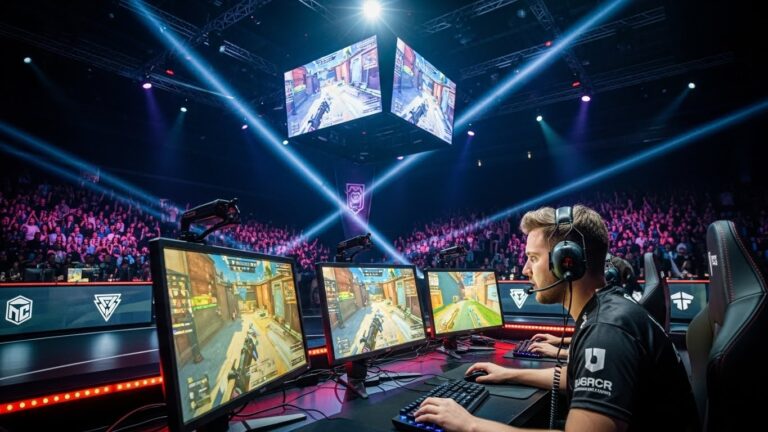
Becoming a professional esports player requires discipline, dedication, and skill. Most professional players start training at a young age, practicing for several hours daily to perfect mechanics, reflexes, and strategies. Teams often have structured routines that include tactical discussions, scrimmages, and mental coaching.
Despite the appeal of fame and large earnings, the professional esports lifestyle is demanding. Burnout is common, as players face intense schedules and high expectations. Careers are often shorter than traditional sports due to the rapid evolution of game mechanics and the physical and mental demands of long hours of practice.
Yet, for those who succeed, esports offers significant rewards. Players gain global recognition, financial stability, and opportunities to represent their teams in international tournaments. For many, it is the realization of a lifelong dream.
Popular Esports Genres and Their Distinctive Appeal
Esports spans multiple genres, each attracting unique audiences and developing its own culture.
Multiplayer Online Battle Arenas (MOBAs) such as League of Legends and Dota 2 focus on strategy, teamwork, and skillful execution. Each match is a test of both individual talent and coordinated team play.
First-Person Shooters (FPS) like Counter-Strike and Valorant emphasize precision, reflexes, and tactical awareness. These games often feature intense, fast-paced gameplay that keeps viewers on the edge of their seats.
Battle Royale Games including Fortnite and Apex Legends thrive on unpredictability, survival strategy, and large-scale multiplayer competition, making each game uniquely exciting.
Sports Simulations and Fighting Games such as FIFA, NBA 2K, and Tekken combine esports with traditional sports and martial arts, appealing to fans of both digital and physical competition.
Each genre develops its own community, language, and culture, making esports diverse and multifaceted.
Esports Arenas: Digital Stadiums Come to Life
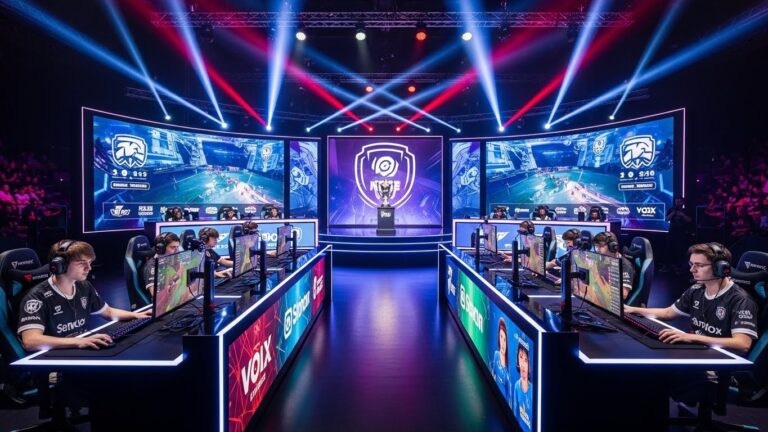
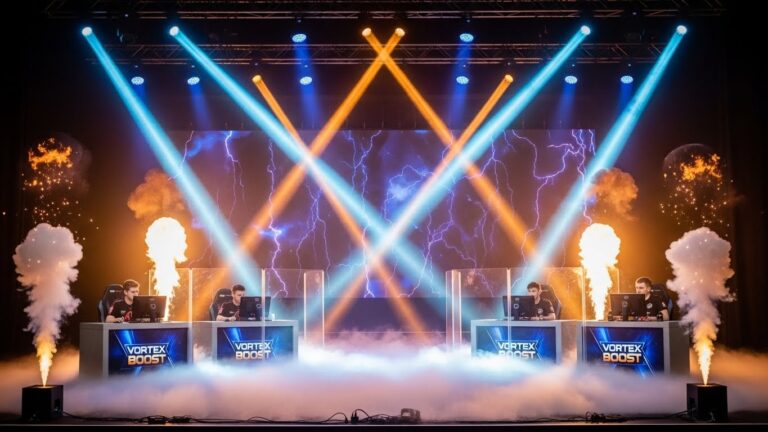
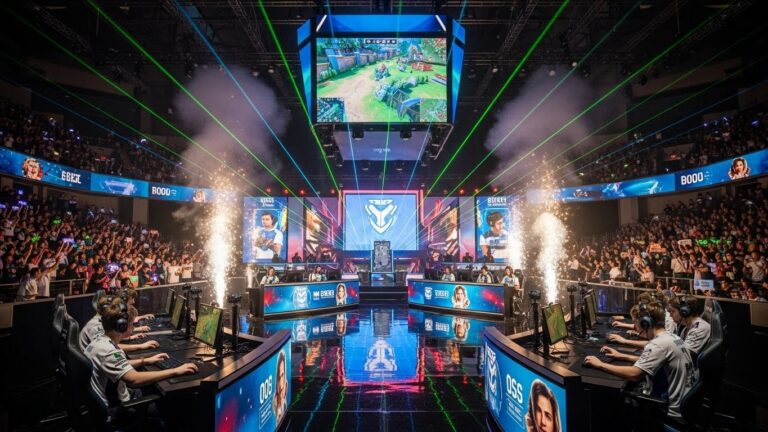
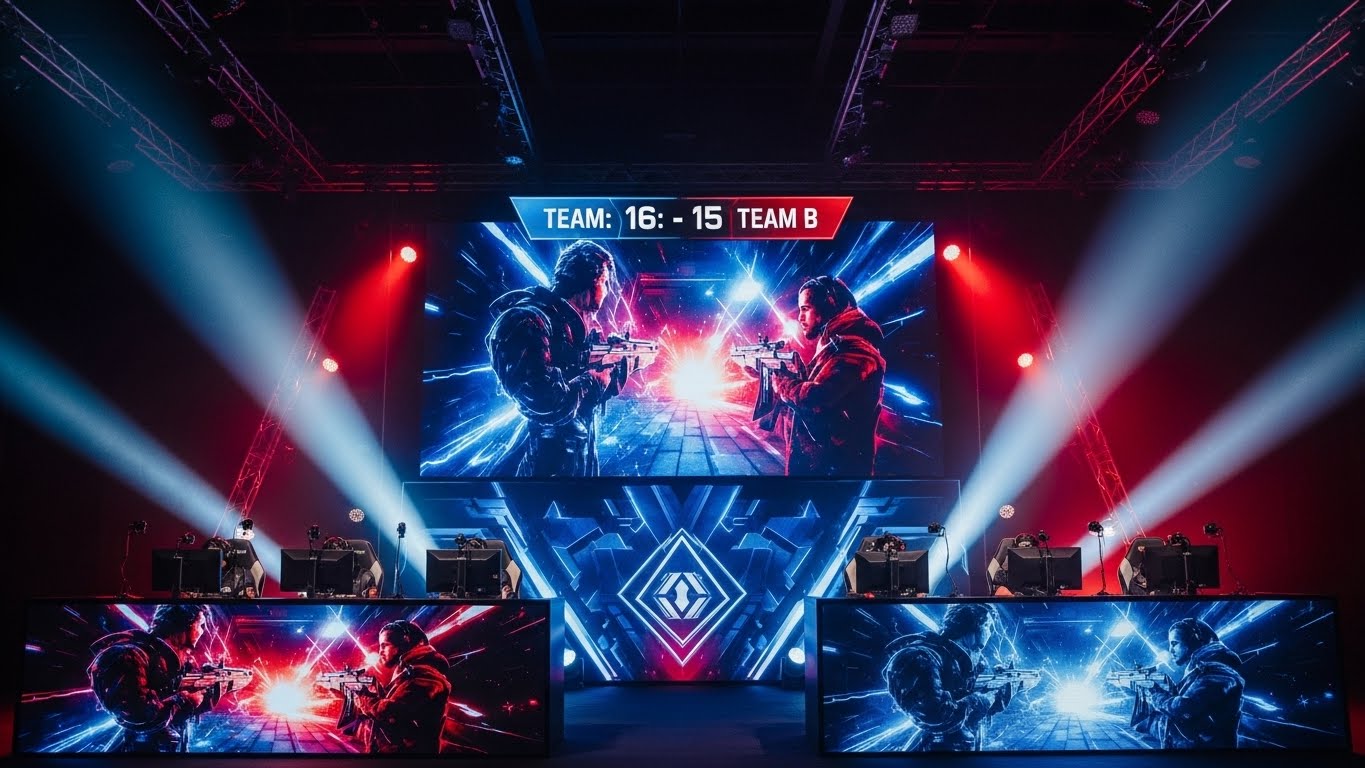
Esports tournaments have transformed small gaming competitions into large-scale spectacles. Modern esports arenas host thousands of fans, featuring dramatic lighting, immersive sound systems, and high-definition screens broadcasting every play.
Fans attend these events not only to watch the games but also to engage in the atmosphere, support their favorite teams, and celebrate a shared passion. The experience rivals traditional sports events in energy and excitement, turning esports into a legitimate spectator activity.
Economic Impact: A Billion-Dollar Industry
Esports has evolved into a major economic force, generating billions of dollars annually. Revenue streams include sponsorships, merchandise sales, ticketed events, media rights, and advertising. Major corporations and brands invest heavily in esports as a way to reach younger, tech-savvy audiences.
Educational institutions have begun offering esports scholarships, recognizing the value of competitive gaming as a pathway for student development. Cities have started establishing esports hubs, creating jobs, and supporting local economies. The industry continues to grow at an impressive rate, promising even greater economic influence in the coming years.
Esports and Traditional Sports: Bridging Worlds
Esports has developed a symbiotic relationship with traditional sports. Many sports franchises have created esports teams, merging the fanbases of both industries. This crossover increases viewership, encourages new forms of fan engagement, and promotes innovation in training, broadcasting, and entertainment.
While traditional sports emphasize physical prowess, esports showcases mental agility, strategy, and digital dexterity. Together, these industries demonstrate that competition can take many forms, broadening the global understanding of what sports can be.
Cultural Impact: Esports as a Lifestyle
Esports is more than a game; it is a cultural force. It influences fashion, music, online culture, and entertainment. Professional players become celebrities, tournaments become social events, and esports organizations evolve into lifestyle brands.
Online communities thrive around esports, creating content, memes, fan art, and forums for discussion. These digital spaces foster friendships and connections that transcend geographic boundaries, uniting people with a shared passion for competitive gaming.
Challenges Facing the Esports Industry
Despite its growth, esports faces significant challenges. Mental health and burnout are major concerns for players facing rigorous training schedules. Smaller teams often struggle financially, and competitive integrity must be protected against cheating, hacking, and match-fixing.
Diversity and inclusion are also critical issues. Ensuring that esports remains accessible and welcoming to all communities is essential for the industry’s long-term success. Addressing these challenges requires collaboration among developers, organizations, players, and fans alike.
The Future of Esports: Innovation and Expansion
The future of esports promises exciting developments. Virtual reality, augmented reality, and artificial intelligence will transform the way games are played and watched. Esports could integrate further with educational programs, corporate training, and hybrid physical-digital experiences.
As global viewership grows, esports will continue to influence culture, technology, and entertainment. It is no longer a niche hobby; it is a central part of modern life and a powerful platform for creativity, competition, and connection.
Conclusion: Esports as a Global Movement
Esports has redefined competition, entertainment, and community in the digital age. It celebrates skill, strategy, and dedication, offering opportunities for players and fans alike to connect and engage on a global scale.
From humble beginnings in arcades to massive international tournaments, esports has proven that competitive gaming is more than a pastime. It is a cultural, economic, and technological force that continues to shape the future of sports and entertainment.
Esports is no longer just a game—it is a movement, a lifestyle, and a symbol of the possibilities that digital innovation brings to the world.
About the Author