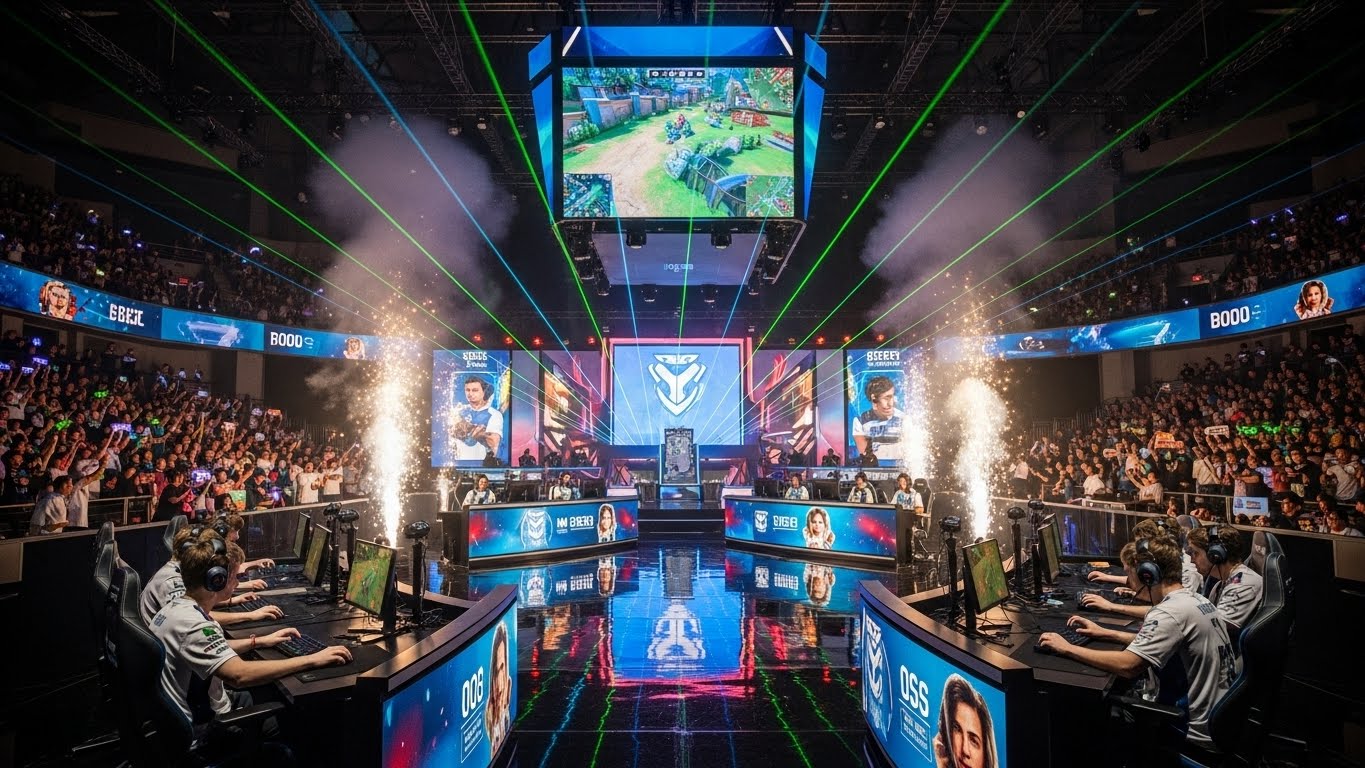
Introduction: The Rise of a Digital Arena
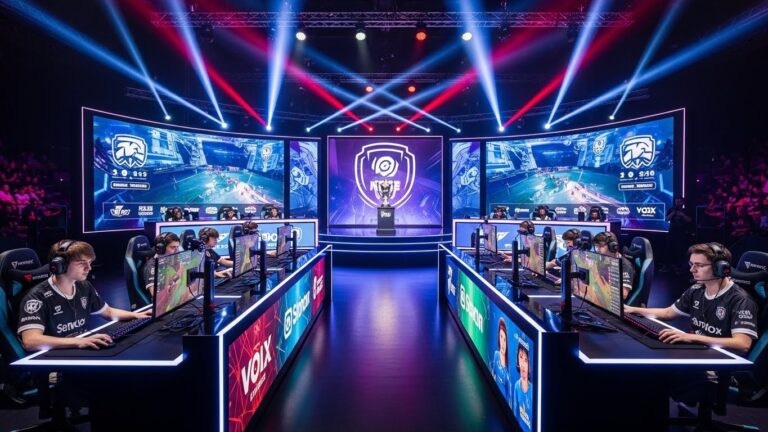
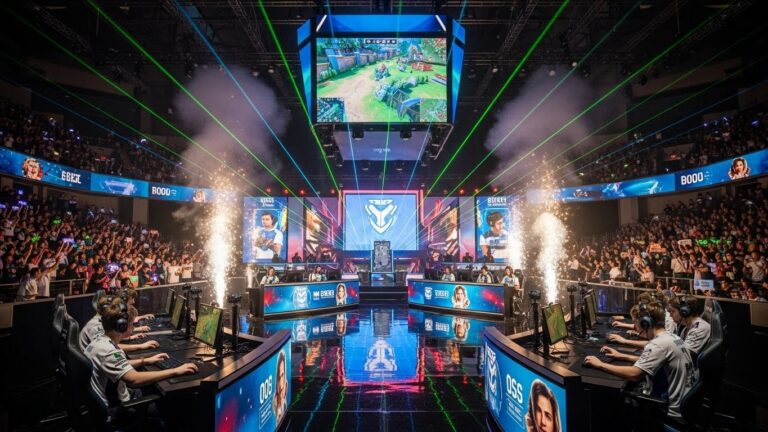
Once considered a niche pastime limited to bedrooms and internet cafés, esports has evolved into a global phenomenon that rivals traditional sports in popularity, professionalism, and cultural impact. Competitive gaming is no longer just about entertainment; it has become a legitimate industry that shapes careers, inspires communities, and drives technological innovation. From packed stadiums to millions of online viewers, esports has rewritten the definition of competition in the digital age.
This blog explores the journey of esports, its ecosystem, cultural influence, economic power, and the future that lies ahead for this rapidly growing industry.
Understanding Esports: More Than Just Playing Games
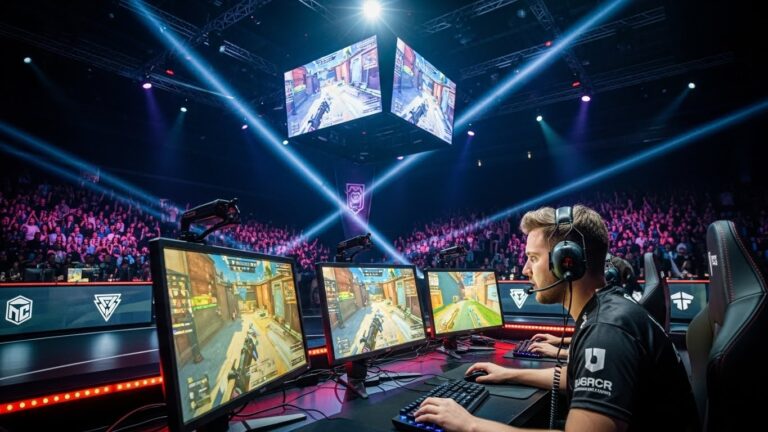
Esports, short for electronic sports, refers to organized competitive video gaming where players or teams compete against each other under structured rules. Unlike casual gaming, esports demands high levels of skill, strategy, teamwork, and discipline. Professional players train for hours each day, analyze gameplay footage, work with coaches, and follow strict schedules similar to athletes in traditional sports.
Popular esports titles span multiple genres, including multiplayer online battle arenas, first-person shooters, real-time strategy games, sports simulations, and battle royale formats. Each genre brings its own competitive dynamics, fan base, and professional scene.
The Evolution of Competitive Gaming
The roots of esports can be traced back to early gaming competitions in the late twentieth century. What began as small-scale tournaments gradually expanded with the growth of the internet, online multiplayer gaming, and streaming platforms. Accessibility played a crucial role in esports expansion, allowing players from different parts of the world to compete without physical boundaries.
As technology improved, esports tournaments became more sophisticated, featuring professional production, live commentary, and international leagues. This evolution transformed gaming from a hobby into a spectator sport with global reach.
The Esports Ecosystem: A Complex and Thriving Industry
Esports is supported by a diverse ecosystem that goes far beyond players and games. Teams operate as professional organizations with managers, analysts, psychologists, nutritionists, and marketing staff. Tournament organizers handle event logistics, broadcasting, and sponsorships. Game developers play a critical role by maintaining competitive balance and supporting esports infrastructure.
Content creators, streamers, commentators, and journalists help grow the audience by providing analysis, entertainment, and storytelling. Meanwhile, sponsors and brands invest heavily in esports, recognizing its ability to reach younger, digitally engaged audiences.
Esports Athletes: Training, Discipline, and Mental Strength
Professional esports players are often misunderstood as simply playing games for a living. In reality, the demands placed on them are intense. High-level competition requires exceptional reflexes, strategic thinking, communication skills, and emotional control. Players must perform under pressure, adapt quickly to changing situations, and maintain consistency across long seasons.
Mental health and physical well-being are increasingly recognized as critical factors in esports performance. Teams now emphasize exercise, proper sleep, and psychological support to help players manage stress, burnout, and performance anxiety.
Esports as a Career Path
One of the most transformative aspects of esports is the range of career opportunities it offers. While becoming a professional player is the most visible path, it is far from the only one. Careers in coaching, event management, broadcasting, marketing, game design, data analysis, and community management are all part of the esports landscape.
Educational institutions are beginning to offer esports programs, scholarships, and degrees focused on gaming-related fields. This shift signals broader acceptance of esports as a legitimate professional and academic pursuit.
The Global Audience and Fan Culture
Esports has cultivated a passionate and diverse global fan base. Fans follow teams, players, and leagues with the same loyalty seen in traditional sports. Online chat interactions, fan art, social media discussions, and live event attendance all contribute to a strong sense of community.
Unlike traditional sports, esports thrives in digital spaces where fans can interact directly with players and content creators. This closeness fosters deeper engagement and allows fans to feel like active participants rather than passive spectators.
Economic Impact and Commercial Growth
The economic footprint of esports continues to expand rapidly. Revenue streams include sponsorships, media rights, merchandise, ticket sales, in-game purchases, and advertising. Major brands across technology, fashion, food, and finance have entered the esports space, recognizing its marketing potential.
Cities and countries now compete to host major esports events, which generate tourism, employment, and international exposure. This economic influence highlights esports as a serious contributor to the global entertainment industry.
Technology and Innovation Driving Esports Forward
Esports is deeply intertwined with technological advancement. High-speed internet, powerful gaming hardware, advanced software, and immersive broadcasting tools are essential to competitive gaming. Innovations such as virtual reality, augmented reality, and artificial intelligence are beginning to influence how games are played and viewed.
Data analytics has become a vital component of esports strategy, enabling teams to study opponent behavior, optimize performance, and refine tactics. These technological developments not only enhance competition but also improve the viewing experience for fans.
Challenges Facing the Esports Industry
Despite its success, esports faces several challenges that must be addressed to ensure long-term sustainability. Player burnout, inconsistent regulations, lack of standardized governance, and concerns about fairness and integrity remain pressing issues. The rapid pace of growth has sometimes outstripped the industry’s ability to establish stable structures.
Additionally, inclusivity and diversity are ongoing concerns. Efforts are being made to create safer, more welcoming environments for players and fans of all backgrounds, but there is still work to be done.
Esports and Traditional Sports: A Converging Future
The relationship between esports and traditional sports is becoming increasingly interconnected. Many traditional sports organizations now own esports teams or leagues, while athletes invest in gaming ventures. Training methodologies, branding strategies, and fan engagement models are being shared across both worlds.
Rather than replacing traditional sports, esports complements them by offering new forms of competition and entertainment that appeal to changing audience preferences.
The Future of Esports
Looking ahead, the future of esports appears promising and dynamic. As technology continues to evolve, esports will likely become more immersive, accessible, and globally integrated. Emerging markets are expected to play a significant role in the next phase of growth, bringing new players and audiences into the ecosystem.
Greater emphasis on education, player welfare, and governance will help esports mature into a more stable and respected industry. With continued innovation and community support, esports has the potential to remain a defining feature of digital culture for generations to come.
Conclusion: A New Era of Competition
Esports represents more than competitive gaming; it symbolizes a shift in how society views sports, entertainment, and digital interaction. It has created new opportunities, challenged traditional norms, and united people across borders through shared passion.
As esports continues to grow and evolve, it stands as a powerful example of how technology and creativity can reshape human competition. Beyond the screens and controllers lies an industry that is redefining what it means to play, compete, and belong in the modern world.
About the Author