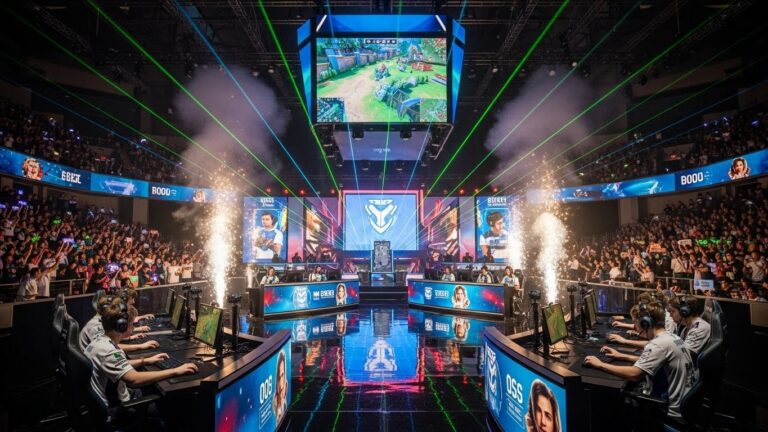
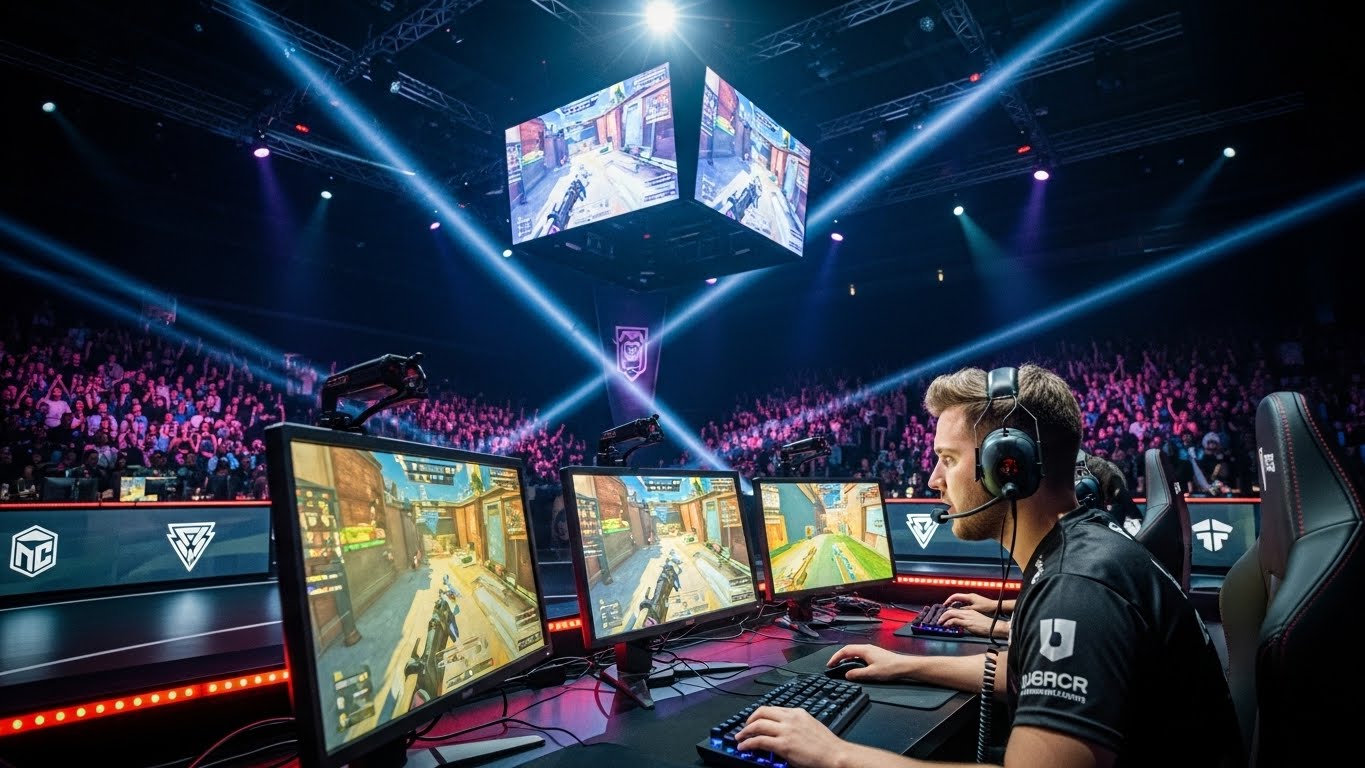
Esports, or electronic sports, has come a long way from being a niche hobby for gamers to a full-fledged, global phenomenon. With millions of fans worldwide, multi-million dollar sponsorships, and dedicated arenas hosting major tournaments, esports has transformed into one of the most influential sectors in entertainment. The journey from obscure LAN parties to massive stadiums and online streaming platforms is a story of innovation, passion, and a community-driven revolution that continues to captivate people of all ages.
In this blog post, we’ll explore the evolution of esports, its current landscape, the growing industry, and what the future holds for this dynamic form of competition. Whether you’re a casual gamer or a seasoned pro, this article will provide you with a deeper understanding of the world of esports.
The Origins of Esports: From Arcade to Online
Esports may seem like a modern concept, but its roots trace back to the early days of video gaming. The first competitive gaming events were simple contests held in arcades in the 1970s and 1980s. Games like Pong and Space Invaders had players compete for high scores, and these local competitions laid the foundation for what would become organized esports.
In the 1990s, competitive gaming began to evolve with the rise of PC gaming. Titles like Street Fighter, Doom, and WarCraft allowed players to compete against each other not only in person but also over the internet. Online gaming communities began to emerge, and tournaments for games like StarCraft and Quake became more structured, drawing in players from all corners of the globe.
The true rise of esports, however, came with the explosion of multiplayer online games. StarCraft in South Korea, for example, became a massive phenomenon, with televised tournaments and even professional leagues dedicated to the game. By the early 2000s, esports began to evolve from a subculture to a global industry.
The Global Expansion of Esports
One of the most defining features of modern esports is its global reach. Unlike traditional sports, where athletes often represent a specific country or region, esports players can represent any corner of the world, thanks to the power of the internet. Whether it’s the United States, China, South Korea, or Europe, there are professional esports players competing at the highest level from nearly every continent.
The first major international esports events started to emerge in the mid-2000s. In 2000, The World Cyber Games (WCG) was founded, and it quickly became known as the “Olympics of Esports,” attracting gamers from across the globe to compete for world championships in games like StarCraft and Counter-Strike. Similarly, DreamHack, a Swedish event that began as a LAN party, soon turned into one of the largest esports festivals, offering massive prize pools and attracting thousands of attendees.
As the years went on, the rise of streaming platforms like Twitch and YouTube Gaming played a crucial role in expanding esports’ popularity. These platforms allowed fans to watch professional gamers in real-time, providing an intimate look into the competitive gaming scene. Major tournaments like The International (Dota 2), League of Legends World Championship, and CS:GO Majors are broadcast live, drawing millions of viewers and elevating esports into mainstream entertainment.
The Key Elements of Esports
Esports is not simply about playing video games. It is an ecosystem that involves several key components that make it such a thriving industry.
- The Players
At the heart of esports are the professional players. These gamers have dedicated their lives to mastering their craft, often spending hours a day practicing and competing. The level of skill required to compete at the highest level is immense, and top players are often regarded as some of the best in the world. Many players start their careers at a young age, developing their skills through online competitions before being recruited by major esports organizations. - The Games
Esports is centered around a wide variety of competitive games. These games are typically multiplayer-focused and offer a level of complexity that allows for deep strategic gameplay. Some of the most popular esports titles include:- League of Legends (MOBA)
- Dota 2 (MOBA)
- Counter-Strike: Global Offensive (First-Person Shooter)
- Overwatch (First-Person Shooter)
- Fortnite (Battle Royale)
- Rocket League (Sports/Action)
- FIFA (Sports)
Each game has its own set of rules, mechanics, and communities, with tournaments offering huge prize pools that can reach tens of millions of dollars.
- The Teams and Organizations
Esports is not just about individual players; teams play a major role in the ecosystem. Top teams, such as Cloud9, T1, Team Liquid, and FaZe Clan, are composed of players who train and compete together as a unit. These teams are often backed by large organizations that provide funding, coaching, and management support. Additionally, major companies sponsor esports teams, bringing in significant revenue through branding and partnerships. - The Tournaments
Esports tournaments are the focal point of competitive gaming, and they come in all shapes and sizes. Some tournaments, such as The International (Dota 2), have prize pools exceeding $30 million, while smaller tournaments may offer prizes in the range of $10,000 to $100,000. These tournaments attract not only professional players but also millions of viewers who tune in online to watch the action unfold. Tournaments are often held in large arenas, but they can also be broadcast digitally, allowing fans from around the world to watch in real-time. - The Fans
Esports has developed a passionate and dedicated fanbase. Fans flock to live events, engage with their favorite teams and players on social media, and watch tournaments from the comfort of their homes. Esports events are often hosted in massive arenas, with fans cheering for their favorite teams as they compete for victory. The culture surrounding esports is rich, with fans creating fan art, memes, and even dedicating hours to learning about game mechanics and strategies.
The Esports Economy: A Multi-Billion Dollar Industry
The rise of esports has led to the creation of a multi-billion-dollar industry, drawing significant investments from traditional sports organizations, tech companies, and entertainment moguls. In 2020, the global esports market was valued at over $1 billion, and projections suggest it could grow to $1.6 billion by 2024.
Several revenue streams contribute to this growing economy:
- Sponsorships and Advertising
Esports attracts major brands, including tech companies, automotive giants, and energy drink manufacturers. These brands see esports as a way to connect with a younger demographic that is highly engaged in digital entertainment. Sponsorships help fund tournaments, teams, and players while offering companies massive visibility in the process. - Streaming Platforms
Streaming platforms like Twitch, YouTube Gaming, and Facebook Gaming have revolutionized the way esports is consumed. These platforms allow fans to watch live tournaments, interact with players, and even support their favorite streamers through subscriptions and donations. Twitch, in particular, has become the go-to platform for esports streaming, with millions of viewers tuning in to watch games like League of Legends and Valorant. - Merchandise and Ticket Sales
Esports fans love to show their support for their favorite teams and players through merchandise like jerseys, hats, and accessories. Tournaments and live events also generate revenue through ticket sales. Large-scale events like The International and League of Legends Worlds are often held in sold-out arenas, further fueling the economy of esports. - Media Rights
As esports gains popularity, media rights have become a significant revenue stream. Broadcast deals with platforms like ESPN, Turner Broadcasting, and even regional networks allow esports tournaments to be aired on traditional television, attracting new viewers and additional revenue.
The Future of Esports: What’s Next?
Esports is still in its infancy, and the potential for growth is enormous. Here are a few trends and developments that may shape the future of esports:
- Integration with Traditional Sports
As esports continues to grow, there are increasing opportunities for collaboration between esports and traditional sports. Major sports organizations like the NBA and NFL have already begun investing in esports, and partnerships between professional sports leagues and esports organizations could become more common in the future. - Esports in Education
Esports is becoming a significant part of education, with high schools and universities offering scholarships and even forming teams to compete in organized leagues. The integration of esports into academic institutions may not only provide new career opportunities for students but also promote the development of esports as a legitimate profession. - Virtual Reality and Augmented Reality
With the advent of virtual reality (VR) and augmented reality (AR), the esports experience may evolve into something even more immersive. VR-based esports tournaments are already being experimented with, and as technology improves, we can expect more interactive and engaging ways for players and spectators to experience esports. - Global Expansion
Esports is already a global phenomenon, but its reach is expected to expand further into untapped regions. The growth of esports in countries like India, Southeast Asia, and Latin America is poised to contribute significantly to the overall industry revenue, with more players, teams, and fans joining the esports ecosystem.
Conclusion: Esports is Here to Stay
The rise of esports represents a monumental shift in the way we perceive competitive entertainment. No longer just a hobby for a select group of gamers, esports has become a global industry that is challenging traditional sports for the attention of millions.
About the Author