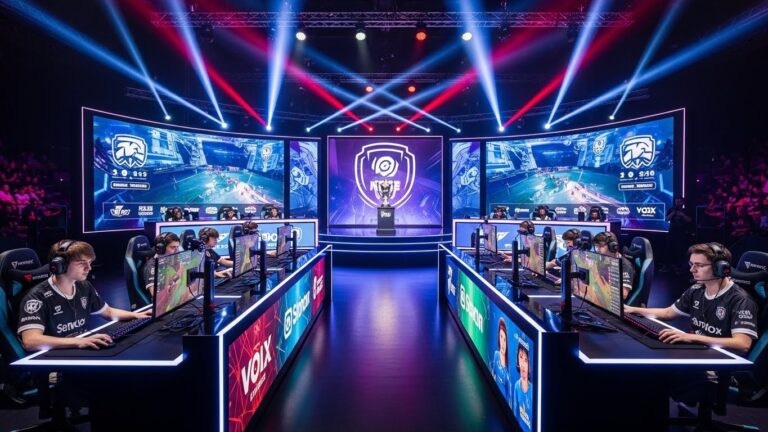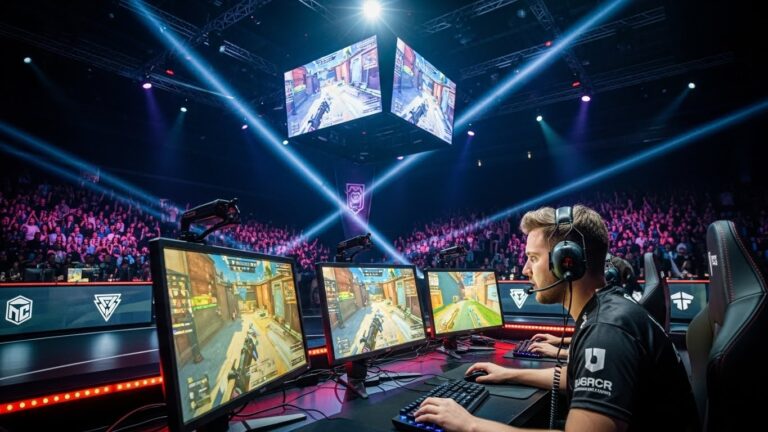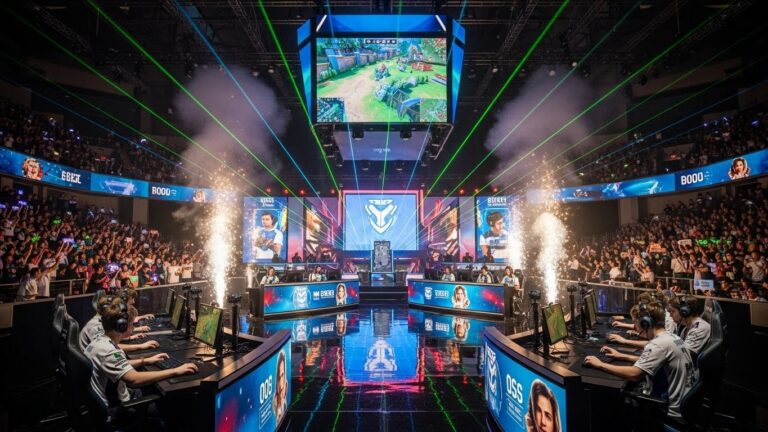
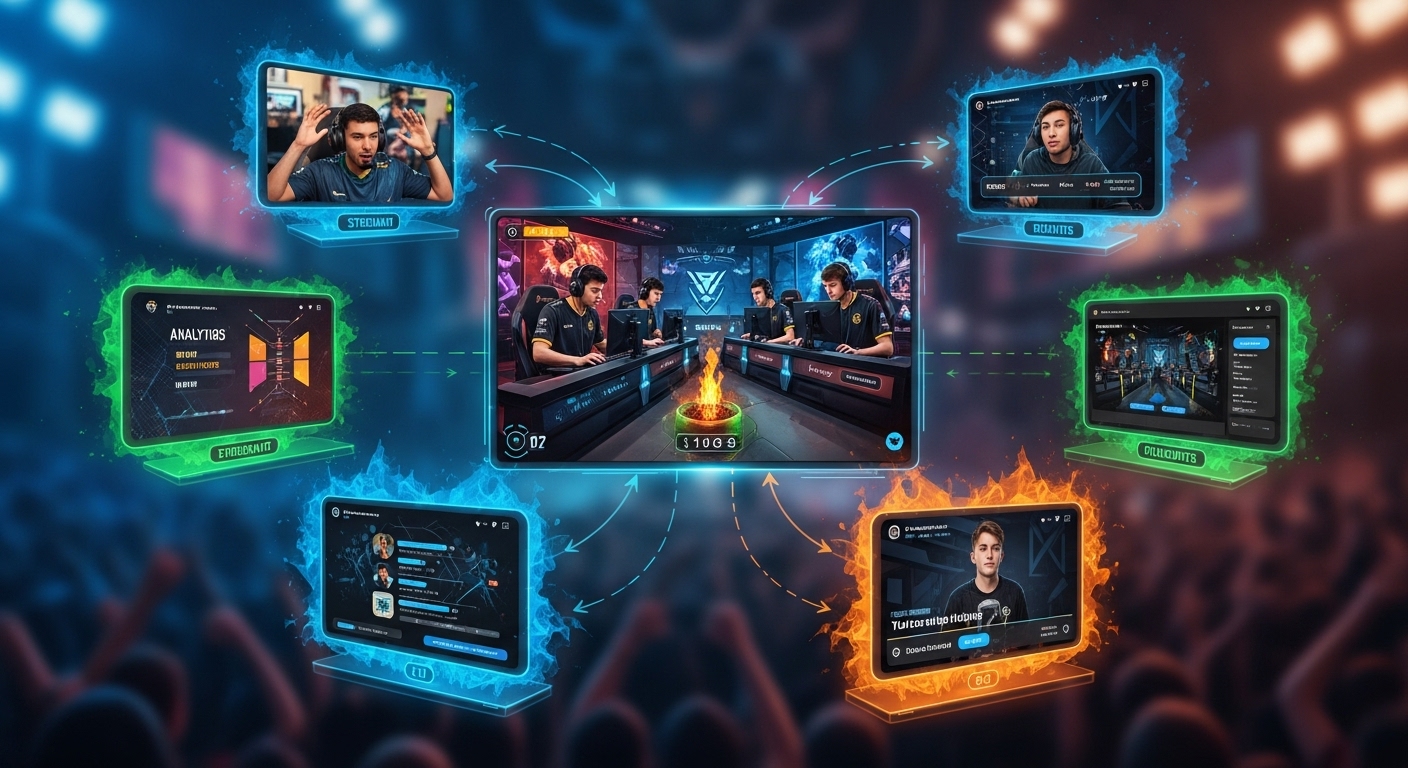
Esports is no longer just a niche interest for hardcore gamers—it has grown into a global phenomenon, attracting millions of fans, lucrative sponsorships, and mainstream recognition. With tournaments filling stadiums, players becoming international celebrities, and brands investing heavily, one of the most powerful forces behind this growth is content.
From live streams to highlight reels, memes to documentaries, esports content has transformed how fans engage with competitive gaming. Unlike traditional sports, esports thrives in the digital-first era, making content production and distribution essential for driving engagement, building communities, and sustaining long-term growth.
This blog post takes a deep dive into the world of esports content, examining its various forms, strategies, and the reasons it is so effective in driving fan engagement.
1. The Digital DNA of Esports
Unlike traditional sports that originated offline and transitioned into digital spaces, esports was born on the internet. Competitive gaming emerged from LAN parties, forums, and early streaming platforms, meaning that digital content has always been central to its growth.
This digital-first DNA has created a culture where:
- Content is constant – Esports fans expect near-real-time updates, highlights, and memes.
- Accessibility is global – Fans can consume esports content regardless of geography, often for free.
- Engagement is two-way – Unlike traditional sports broadcasts, esports content often allows direct interaction between creators, players, and fans.
Because of this foundation, esports organizations, publishers, and creators prioritize content as their primary tool for growing and maintaining engagement.
2. Forms of Esports Content That Drive Engagement
Esports content is diverse, and each format serves a unique purpose in attracting and retaining fans.
a) Live Streams
The backbone of esports content is live broadcasting, whether it’s tournaments or individual players streaming their practice sessions. Platforms like Twitch, YouTube Gaming, and Trovo allow fans to watch, chat, and even donate to players in real time.
Why it works:
- Provides immediacy and authenticity.
- Encourages parasocial relationships between fans and players.
- Facilitates interactive engagement through live chats, polls, and Q&A.
b) Highlight Reels and Clips
Short-form highlights of big plays, clutch moments, or hilarious fails go viral across TikTok, Instagram Reels, and Twitter/X.
Why it works:
- Perfect for short attention spans.
- Easily shareable, boosting discoverability.
- Keeps fans engaged between major tournaments.
c) Behind-the-Scenes (BTS) Content
Documentaries, team vlogs, and player interviews humanize esports professionals, showcasing their training, struggles, and personalities.
Why it works:
- Builds emotional connections with fans.
- Creates loyalty beyond in-game performance.
- Appeals to both casual fans and hardcore enthusiasts.
d) Educational Content
Tutorials, strategy breakdowns, and expert analysis attract aspiring players and enrich fan understanding of the game.
Why it works:
- Increases fan investment in gameplay.
- Establishes authority for creators and organizations.
- Encourages player improvement, creating a virtuous cycle of engagement.
e) Memes and Fan-Generated Content
Esports thrives on internet humor. Memes, fan art, and parody videos spread rapidly within the community.
Why it works:
- Increases relatability and fun.
- Encourages participatory engagement.
- Keeps esports in the wider cultural conversation.
f) Cross-Media Content
Esports content now extends into podcasts, blogs, documentaries (such as Netflix’s League of Legends: Arcane tie-ins), and even traditional TV features.
Why it works:
- Broadens esports’ reach into mainstream audiences.
- Provides multiple entry points for different demographics.
3. Why Esports Content Is So Effective
The power of esports content comes from its unique ability to blend entertainment, community, and interactivity.
a) Always-On Engagement
Unlike seasonal sports, esports content is continuous. Between tournaments, players stream their practice, teams post updates, and communities generate memes. This keeps fans engaged year-round.
b) Accessibility and Inclusivity
Most esports content is free to access, especially on platforms like Twitch and YouTube. This open-access model contrasts with paywalled traditional sports content and encourages broader participation.
c) Interactivity
Esports content allows fans to interact with players directly through live chats, comments, and even in-game features. This direct connection fosters stronger fan loyalty.
d) Global Reach
Esports content transcends borders—streamed matches are simultaneously consumed in North America, Asia, Europe, and beyond. With multilingual streams and localized content, engagement is amplified worldwide.
e) Appeal to Digital Natives
Esports content thrives among Gen Z and Millennials, who consume most of their entertainment online. Short-form, mobile-friendly, interactive content resonates strongly with these demographics.
4. The Role of Social Media in Esports Engagement
Social media platforms are the amplifiers of esports content. They allow clips, memes, and highlights to spread far beyond the core gaming audience.
- Twitter/X: Fast-paced, ideal for live reactions, memes, and community discourse.
- Instagram & TikTok: Short-form highlight clips dominate, reaching casual audiences.
- Reddit: In-depth discussions, strategy breakdowns, and fan theories thrive.
- YouTube: The home for long-form content like documentaries, analysis, and match replays.
Social media ensures that esports content not only engages core fans but also draws in new ones.
5. Storytelling: Turning Matches into Narratives
Content doesn’t just cover gameplay—it builds stories. Rivalries, player redemption arcs, and underdog victories fuel fan passion. For example:
- Faker’s dominance in League of Legends is framed as a legendary tale.
- The rise of regional underdogs like Brazilian CS:GO teams captures global attention.
- Behind-the-scenes documentaries (like Free to Play, the Dota 2 film) highlight personal struggles and triumphs.
By transforming games into narratives, esports content elevates fan engagement to an emotional level, ensuring long-term loyalty.
6. Esports Content and Brand Engagement
For sponsors and advertisers, esports content provides unparalleled opportunities for brand integration.
- In-stream branding (logos, overlays, in-game banners).
- Collaborations (teams partnering with lifestyle brands for apparel lines).
- Content series (sponsored documentaries, vlogs, or interviews).
Because esports audiences are highly engaged and digitally savvy, brands that integrate authentically through content often see stronger results compared to traditional advertising.
7. Case Studies: Content That Transformed Engagement
Case Study 1: The International (Dota 2)
Valve’s flagship tournament not only offers record-breaking prize pools but also features cinematic trailers, player profiles, and high-quality live streams. This content creates a festival-like atmosphere, engaging millions worldwide.
Case Study 2: League of Legends Worlds
Riot Games invests heavily in content around its annual World Championship. From animated music videos to behind-the-scenes coverage, Riot builds hype months in advance, keeping fans hooked throughout the season.
Case Study 3: Ninja and Streaming Culture
Streamer Tyler “Ninja” Blevins turned Fortnite streaming into a global phenomenon. His success demonstrated how individual creators could drive esports content engagement to mainstream levels.
8. The Rise of Short-Form Content in Esports
With TikTok and Instagram Reels dominating the digital landscape, esports content has adapted. Organizations now produce snackable clips that condense long matches into digestible, engaging bites.
Short-form content works because:
- Attention spans are shrinking.
- Algorithms favor short, viral content.
- Clips can reach non-core fans who may later convert into full viewers.
9. Fan Communities and User-Generated Content
One of esports’ strongest drivers of engagement is the community’s role in content creation. Fans remix highlights, create memes, and even produce fan documentaries. This user-generated ecosystem:
- Expands the reach of esports beyond official channels.
- Encourages participatory culture, making fans feel like contributors.
- Strengthens community bonds.
Platforms like Discord further fuel this participatory content cycle, hosting watch parties, discussions, and meme-sharing hubs.
10. Challenges in Esports Content Engagement
While esports content is a massive driver of engagement, it faces challenges:
- Content saturation: With so many streams, clips, and posts, standing out is increasingly difficult.
- Monetization struggles: Free access limits revenue unless paired with sponsorship or subscription models.
- Platform dependency: Heavy reliance on Twitch, YouTube, and TikTok makes esports content vulnerable to algorithm changes.
- Balancing quality vs. quantity: Audiences crave constant updates, but poor-quality content can damage brand reputation.
11. The Future of Esports Content
The next phase of esports content will likely be shaped by technological innovation:
- VR and AR Integration: Immersive content where fans feel inside the game.
- AI-driven personalization: Tailored highlights and recommendations for each fan.
- Blockchain and NFTs: Potential for collectible content and fan-driven ownership.
- Crossovers with mainstream media: More collaborations like Netflix’s Arcane, bridging gaming and pop culture.
Esports content will only grow more interactive, personalized, and immersive—deepening engagement further.
12. Conclusion
Esports content is more than just a byproduct of competition—it is the engine of engagement that fuels the industry. From live streams and highlights to memes and documentaries, content keeps fans connected, builds emotional investment, and creates opportunities for brands and communities alike.
As esports continues to expand globally, the importance of content in driving engagement cannot be overstated. The digital-native nature of esports audiences ensures that content will remain the primary medium through which fans interact, celebrate, and grow the culture of competitive gaming.
About the Author