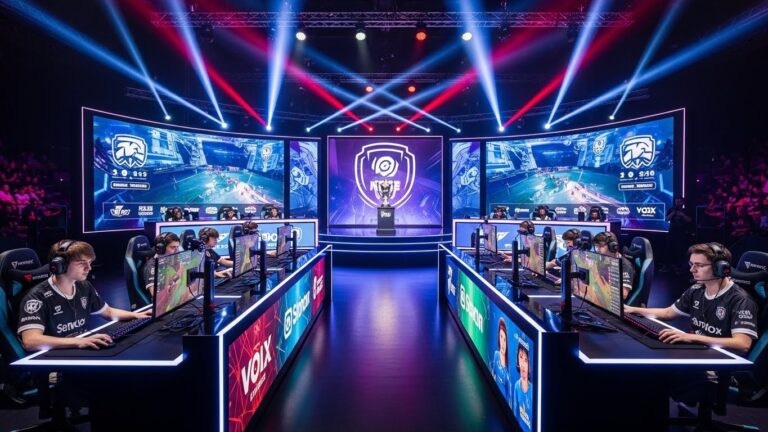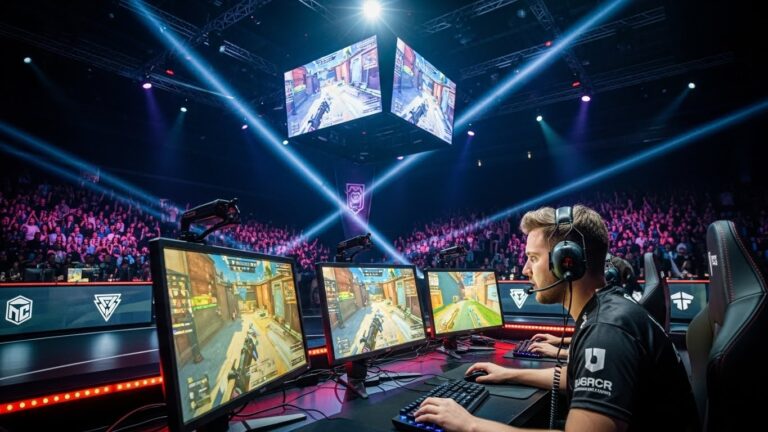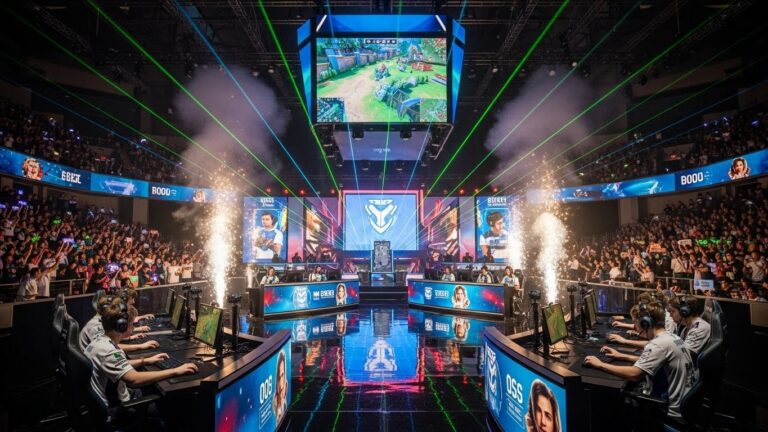
Esports, short for electronic sports, has grown from a niche hobby into a global entertainment powerhouse. Over the past two decades, competitive gaming has transformed into a professional industry with international tournaments, professional players, substantial prize pools, and a vast audience of millions. Unlike traditional sports, esports emphasizes mental agility, strategy, and reflexes over physical strength. Its rise reflects not only advancements in technology but also a cultural shift toward digital entertainment.
Esports is more than just video games played competitively. It is an ecosystem consisting of professional players, teams, tournament organizers, streaming platforms, sponsors, and highly engaged fans. It represents a new form of entertainment, a viable career path, and a cultural phenomenon that influences global media and education.
The Origins of Competitive Gaming
The roots of esports trace back to the late 1970s and early 1980s when arcade games like Space Invaders, Pac-Man, and Donkey Kong became competitive platforms. Players competed for high scores, and local competitions were held in arcades and community centers. These early competitions, though small in scale, set the foundation for organized gaming and competitive recognition.
The 1990s introduced personal computers and local area networks, allowing players to connect and compete across broader networks. Games such as Doom, Quake, and Warcraft facilitated multiplayer gaming in schools, universities, and gaming cafes. These early tournaments were modest but passionate, creating the first generation of dedicated players and fans who began treating gaming as more than casual entertainment.
The Emergence of Professional Esports
The early 2000s marked a significant turning point for esports. Internet connectivity improved, allowing international competitions to become feasible. South Korea became a global hub for competitive gaming, particularly with the success of StarCraft: Brood War. Televised tournaments in the country drew millions of viewers, and professional gaming became a respected career choice.
During this era, esports organizations began forming structured teams. Players received salaries, coaches provided guidance, and analysts assisted with strategies. International tournaments offered large prize pools, attracting top talent and increasing competition standards. Titles like Counter-Strike, DotA, and Warcraft III laid the foundation for modern esports and cultivated global communities of fans and competitors.
The Role of Streaming Platforms
Streaming platforms revolutionized esports by connecting players and audiences in real time. Services such as Twitch and YouTube Gaming allow fans to watch live competitions, interact through chat, and participate in the esports community. Unlike traditional sports, viewers can communicate directly with players and commentators, creating a highly interactive experience.
Streaming also provides opportunities for aspiring players to build audiences, monetize their content, and transition into professional careers. The integration of live commentary, interactive features, and community engagement has fueled the rapid expansion of esports worldwide.
Popular Esports Genres and Titles
Esports spans numerous game genres, each with unique competitive dynamics and dedicated fan bases. Multiplayer Online Battle Arenas (MOBAs) like League of Legends and Dota 2 emphasize teamwork, strategy, and in-game coordination. First-Person Shooters (FPS) such as Counter-Strike: Global Offensive and Overwatch focus on precision, reaction time, and tactical thinking.
Battle royale games, including Fortnite and PUBG, test adaptability, survival skills, and decision-making under pressure. Fighting games like Street Fighter and Super Smash Bros. highlight individual skill and mastery of complex mechanics. The diversity of genres ensures that esports appeals to a broad audience while providing multiple pathways for competitive play.
Professional Players and Teams
Professional esports players dedicate thousands of hours to practice, strategy, and teamwork. Success requires not only technical skill but also mental resilience, strategic thinking, and effective communication. Top players often achieve celebrity status, attracting sponsorships, media coverage, and large followings on social media and streaming platforms.
Teams function like traditional sports franchises. Organizations hire managers, coaches, analysts, and support staff to maintain peak performance. Teams participate in multiple tournaments, both regionally and internationally, and cultivate fan bases that drive engagement and revenue. The professionalization of players and teams has elevated esports to mainstream recognition.
Major Esports Tournaments
Tournaments are the centerpiece of competitive esports. Prestigious events such as The International for Dota 2, the League of Legends World Championship, and the Fortnite World Cup attract millions of viewers worldwide. Prize pools often reach millions of dollars, providing high stakes and global attention.
Regional leagues complement international tournaments by maintaining consistent competition, ranking systems, and organized matches. Live broadcasts feature professional commentary, in-depth analysis, and interactive features, allowing fans to follow the action closely and feel involved in the competition.
The Economics of Esports
Esports is a multi-billion-dollar industry with multiple revenue streams. Tournament winnings, sponsorships, merchandise, advertising, and ticket sales are primary sources of income. Sponsorships are particularly vital, as global brands invest in teams and tournaments to reach highly engaged audiences.
Merchandising, in-game purchases, and branded content further enhance revenue. Esports organizations attract investors who recognize the industry’s growth potential, and the increasing professionalism of teams and tournaments has contributed to sustainable economic expansion.
Global Reach and Cultural Significance
Esports is a truly international phenomenon. Competitive hubs exist in South Korea, China, North America, Europe, and increasingly in regions like Southeast Asia and Latin America. International tournaments foster cross-cultural engagement, bringing players and fans together and promoting global community.
Esports has also become culturally influential. Players achieve celebrity status, influencing fashion, social media, and entertainment. The industry challenges traditional notions of sports by highlighting mental agility, teamwork, and strategic skill as the primary drivers of success. It is a digital era manifestation of human competition and achievement.
Technology and Innovation in Esports
Technology is the backbone of esports. High-speed internet, advanced gaming hardware, and professional software enable smooth gameplay, fair competition, and engaging broadcasts. Analytics tools allow teams to monitor performance, refine strategies, and enhance coordination.
Emerging technologies, including virtual reality, augmented reality, and artificial intelligence, are reshaping esports. AI assists with player training, strategy development, and game analysis. VR and AR create immersive viewing and playing experiences, offering fans and players new ways to interact with esports. Technology ensures that esports continues to evolve, expand, and captivate global audiences.
Esports in Education
Esports is increasingly recognized within educational systems. Colleges and universities offer scholarships for competitive gamers, integrating esports into academic programs. These programs teach teamwork, leadership, strategic thinking, and digital literacy, preparing students for professional opportunities in gaming and related fields.
High school esports programs are also growing, providing early exposure to competitive play and structured training. By incorporating esports into education, schools validate its legitimacy as a career path and highlight the transferable skills that students develop through competitive gaming.
Mental and Physical Demands
Esports players face significant mental and physical demands. Long hours of practice and high-pressure competitions can lead to eye strain, repetitive stress injuries, and mental fatigue. Maintaining focus, decision-making speed, and strategic thinking is critical for professional success.
Professional teams employ fitness coaches, psychologists, and wellness advisors to support players. Physical health, stress management, and mental conditioning are essential for sustained performance and career longevity. This approach demonstrates the increasing professionalism of esports organizations.
Fan Engagement and Community
Esports fans are deeply engaged and participate actively in communities. Unlike traditional sports, esports audiences can interact with players, coaches, and commentators in real time. Fantasy leagues, online tournaments, and interactive broadcasts enhance engagement, making fans feel connected to the competition.
The global esports community is diverse and vibrant. Fans organize events, tournaments, and online forums, creating a strong sense of community. The participatory nature of esports strengthens loyalty, promotes cultural exchange, and transforms competitive gaming into a shared global experience.
Challenges Facing Esports
Despite its growth, esports faces several challenges. Cheating, match-fixing, and unethical behavior threaten the integrity of competition. Standardizing rules, enforcing fair play, and establishing governance frameworks are essential for long-term credibility.
Career longevity is another concern. The intense mental and physical demands can limit professional careers, unlike traditional sports where athletes often have longer career spans. Addressing player well-being, education, and post-competition opportunities is essential for sustaining the industry.
The Future of Esports
The future of esports is promising. Emerging technologies such as AI, cloud gaming, and virtual reality will redefine how games are played, viewed, and experienced. Global expansion will attract more players, audiences, and sponsors, solidifying esports as a mainstream form of entertainment.
Esports is likely to merge further with traditional entertainment, including music, film, and live events. Cross-industry collaborations will increase visibility and cultural impact. Interactive and immersive experiences will redefine fan engagement, creating new opportunities for players, content creators, and organizations.
As esports continues to evolve, it will remain a platform where skill, strategy, and passion converge. Its influence on culture, entertainment, and technology will continue to grow, cementing its status as a permanent fixture of global entertainment.
Conclusion
Esports has evolved from a casual pastime to a global industry. It combines skill, strategy, teamwork, and technology to create a unique competitive and cultural experience. Professional players, teams, tournaments, and fans drive an industry that rivals traditional sports in popularity and economic impact.
The influence of esports extends beyond gaming. It shapes culture, education, and business while creating professional opportunities for players and content creators. Its rise demonstrates how human competition can adapt to new technologies and entertainment forms.
About the Author