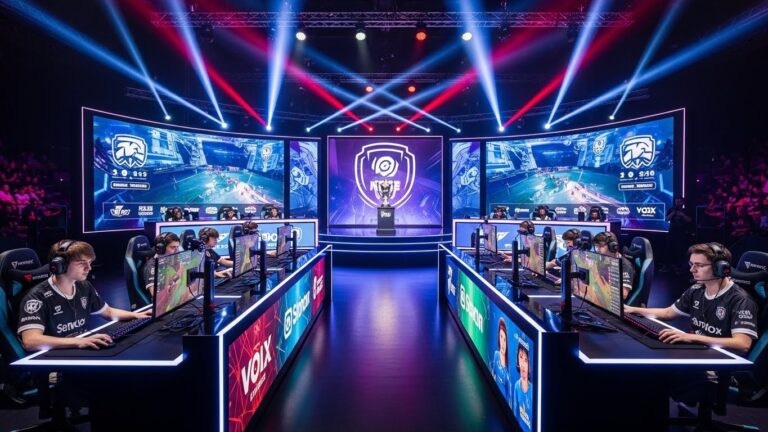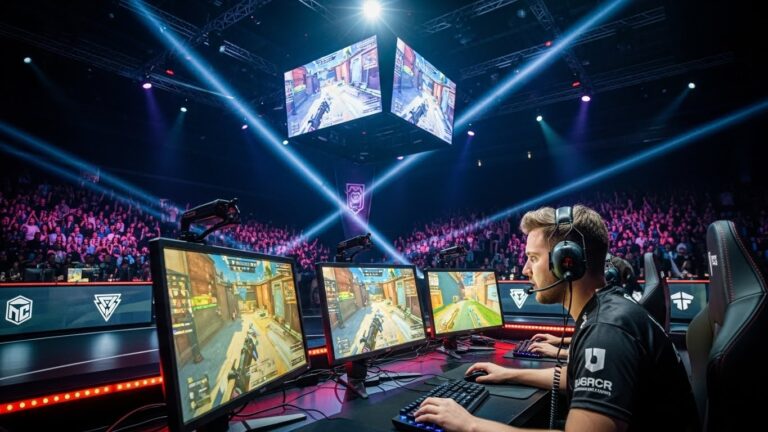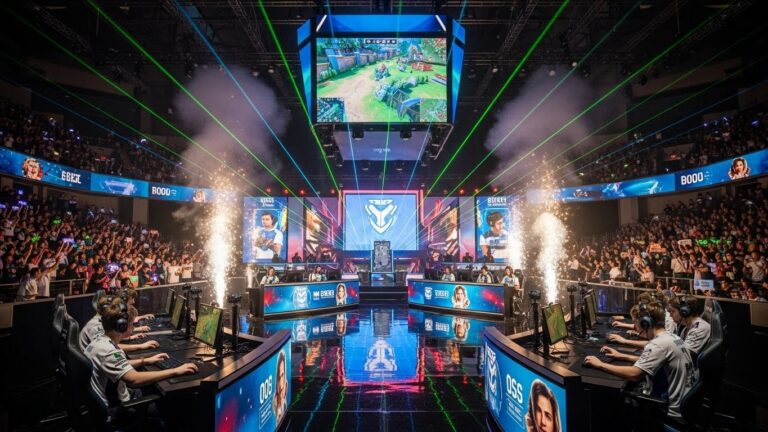
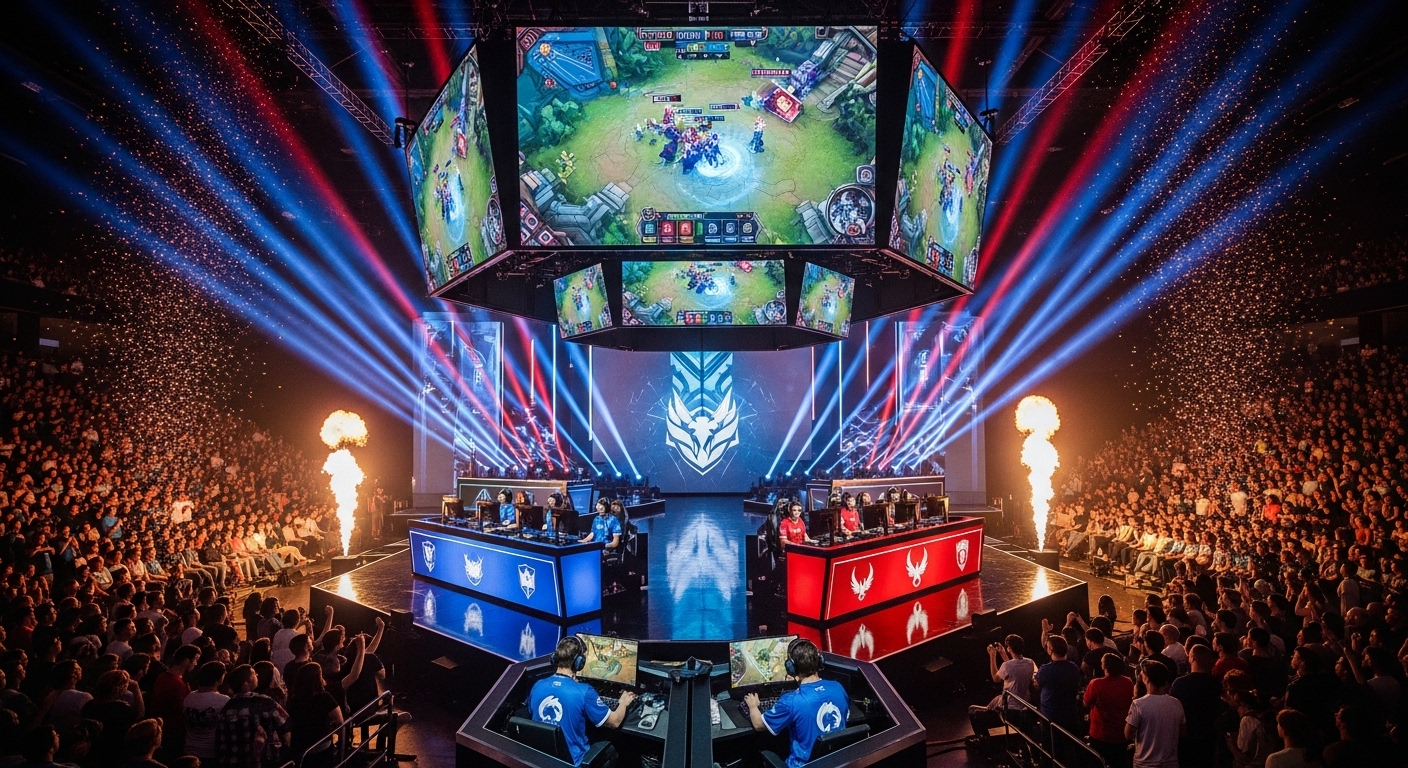
Esports, or electronic sports, has evolved from a niche hobby into a multi-billion-dollar industry that captivates millions worldwide. It represents the convergence of technology, competition, entertainment, and culture. Over the past two decades, competitive gaming has transformed from informal competitions into structured leagues with professional players, coaches, sponsors, and global audiences. Esports is not just a form of gaming; it is a lifestyle, a career path, and a cultural phenomenon that rivals traditional sports in popularity and influence.
The Origins of Competitive Gaming
The roots of esports can be traced back to the late 1970s and 1980s when arcade games such as Pac-Man, Space Invaders, and Donkey Kong gained massive popularity. Players would compete for high scores, and leaderboards became a symbol of recognition. These competitions, though informal, created communities of dedicated players and laid the foundation for competitive gaming culture.
With the rise of personal computers and the internet in the 1990s, gaming expanded beyond local arcades. Games like Doom, Quake, and Warcraft allowed players to compete online, introducing multiplayer gaming to a broader audience. Early tournaments, often hosted by universities or gaming clubs, provided structured competition and prize incentives, demonstrating the potential for professional gaming careers.
The Birth of Esports Leagues
The early 2000s marked the beginning of organized esports leagues. High-speed internet and improved gaming platforms enabled large-scale competitions. Games like Counter-Strike, StarCraft, and DotA became central to competitive gaming, and the first professional tournaments were held with cash prizes attracting international participants.
South Korea played a pioneering role in esports development. With government support, televised matches, and dedicated training facilities, competitive gaming became a respected career. Professional players achieved celebrity status, and esports gained cultural legitimacy. Meanwhile, in North America and Europe, online tournaments and LAN events contributed to the global spread of competitive gaming.
The Role of Streaming Platforms
Streaming platforms revolutionized how fans engage with esports. Platforms allow players to broadcast live matches, interact with viewers, and build communities around shared interests. Viewers can watch tournaments from anywhere in the world, making esports accessible to a global audience.
Streaming also transformed professional careers. Players and commentators can generate income through subscriptions, sponsorships, and ad revenue. Content creators and influencers bring personality and entertainment to esports, attracting fans who may not actively play the games themselves. This ecosystem has expanded esports beyond traditional competition, creating a hybrid form of entertainment.
Key Games That Defined Esports
Certain games have had a lasting impact on esports. StarCraft popularized real-time strategy competitions, particularly in South Korea. Counter-Strike introduced tactical team-based play, emphasizing communication and precision. MOBAs like League of Legends and Dota 2 created large-scale tournaments with international appeal. More recently, battle royale games like Fortnite and first-person shooters like Call of Duty have attracted younger audiences, blending casual accessibility with competitive depth.
Each game contributed to esports growth by creating communities, setting competitive standards, and attracting sponsorships. Developers began to design games with competitive balance and spectator appeal in mind, fostering long-term engagement and sustainability.
Professional Esports: Teams and Structure
Professional esports mirrors traditional sports in organization. Players sign contracts, receive salaries, and train extensively. Teams employ coaches, analysts, and managers to optimize performance, develop strategies, and monitor player health. Major tournaments offer prize pools reaching millions of dollars, motivating players to dedicate themselves fully to their craft.
Roles within games are highly specialized. In MOBAs, players may focus on different lanes or objectives. In first-person shooters, team members often have roles such as snipers, support, or entry fraggers. Specialization and teamwork highlight the strategic depth and complexity of esports, requiring not only individual skill but also communication, coordination, and adaptability.
Tournaments and Competitive Seasons
Esports tournaments are often structured like traditional sports seasons. Teams participate in regional qualifiers, league matches, and international championships. Events like The International for Dota 2, League of Legends World Championship, and Fortnite World Cup draw millions of viewers globally and offer record-breaking prize pools.
Live events provide a unique spectacle. Stadiums filled with fans create an electric atmosphere, while global streaming ensures accessibility for audiences unable to attend in person. This combination of in-person excitement and worldwide reach has solidified esports as a legitimate and engaging form of entertainment.
Global Esports Hubs
Esports is a global phenomenon with distinct regional hubs. South Korea pioneered professional esports infrastructure, creating televised leagues and professional training facilities. China has developed massive esports organizations and government-backed initiatives supporting competitive gaming. North America and Europe maintain strong leagues, content creators, and media coverage.
These regions foster talent, innovation, and cultural influence. International competitions bring together players from diverse backgrounds, creating cultural exchange and global community engagement. Esports transcends borders, appealing to audiences and participants worldwide.
Career Opportunities Beyond Playing
Esports offers career opportunities beyond professional gameplay. Coaches and analysts help teams improve strategies and performance. Commentators provide entertainment and insight during live matches. Event organizers manage tournaments, logistics, and media coverage. Content creators, marketing professionals, and community managers also contribute to the ecosystem.
Universities and educational institutions recognize esports as a legitimate field. Scholarships and programs support students pursuing professional careers in competitive gaming, coaching, analysis, or event management. This educational infrastructure ensures long-term sustainability and talent development.
Business and Economic Impact
The esports industry generates billions of dollars annually. Revenue streams include sponsorships, merchandise, advertising, ticket sales, streaming subscriptions, and tournament prize pools. Brands from technology, apparel, energy drinks, and lifestyle sectors sponsor players and teams, leveraging esports’ global reach and engagement.
Franchise leagues and digital content platforms create stable income for teams and organizations. Investments in esports have grown rapidly, with investors recognizing the potential for high returns in a dynamic, digitally connected entertainment market. The economic impact extends beyond players and organizations, supporting technology, media, and ancillary industries.
Fan Engagement and Community
Community is central to esports’ success. Fans interact through forums, social media, and live events. Amateur tournaments allow emerging players to showcase skills and join professional pathways. Streaming platforms enable real-time communication, fostering global communities around games and teams.
Esports culture emphasizes collaboration, creativity, and shared experiences. Fans celebrate victories, discuss strategies, and support players, creating a sense of belonging. This social engagement distinguishes esports from traditional gaming and contributes to its widespread popularity.
Challenges in Esports
Despite its growth, esports faces challenges. Player burnout and mental health are significant concerns. Long hours of training, travel demands, and high expectations can lead to stress and fatigue. Organizations now implement wellness programs, counseling, and support networks to maintain player health.
Other challenges include cheating, toxicity, and online harassment. Platforms and tournament organizers enforce rules, moderation, and anti-cheat systems to ensure fairness. Legal and regulatory frameworks continue to evolve, addressing player contracts, event standards, and intellectual property issues.
The Role of Technology in Esports
Technology drives esports innovation. High-speed internet, advanced graphics, virtual reality, and artificial intelligence enhance gameplay, spectator experiences, and competitive analysis. AI helps optimize player performance, detect cheating, and personalize user experiences. VR and AR create immersive environments, allowing fans to experience games from new perspectives.
Mobile and cloud gaming have expanded accessibility. Players can participate on the go, maintaining progress across devices and platforms. Technology ensures that esports remains engaging, scalable, and accessible to diverse audiences.
The Future of Esports
Esports is poised for continued growth. Emerging technologies like AI, VR, AR, and blockchain will redefine competition, engagement, and monetization. Cross-platform play, virtual arenas, and interactive content will create new ways for players and fans to connect.
Integration with traditional sports and entertainment will continue, expanding audiences and creating hybrid experiences. Esports education programs will nurture future talent, ensuring sustainability and professionalism. As technology and culture evolve, esports will maintain its position as a leading form of digital entertainment.
Cultural Significance of Esports
Esports is more than competition; it is a cultural movement. It influences fashion, music, social media, and lifestyle trends. Fans adopt team branding, engage with digital culture, and celebrate gaming achievements. Professional players become cultural icons, inspiring millions and shaping entertainment trends.
Esports fosters collaboration, creativity, and strategic thinking. It provides spaces for social interaction, personal expression, and community building. This cultural dimension solidifies esports’ importance beyond entertainment, highlighting its role in modern society.
Conclusion
Esports has evolved from humble beginnings into a global industry that redefines competition, entertainment, and culture. Professional leagues, streaming platforms, and engaged communities have created a sustainable ecosystem supporting players, organizations, and fans.
The industry demonstrates the power of technology, creativity, and global connectivity. Esports inspires new forms of competition, engagement, and cultural expression. As technology advances and audiences expand, esports will continue to innovate, influence entertainment, and shape global culture for years to come.
Esports is not just gaming—it is a testament to human skill, imagination, and the drive for connection in a digital world. It represents the future of entertainment, blending competition, technology, and culture in ways that will continue to captivate audiences worldwide.
About the Author