
Introduction
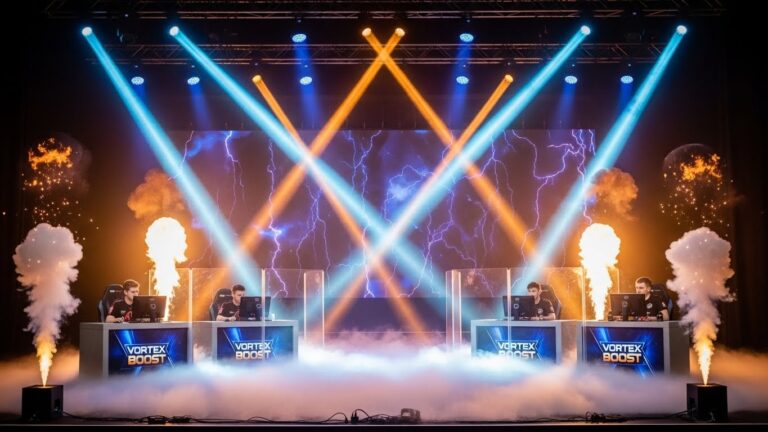
eSports has emerged as one of the fastest-growing forms of entertainment in the modern era. What started as casual video gaming has evolved into a professional, competitive arena with players, teams, and global audiences. eSports combines skill, strategy, teamwork, and technology, creating experiences that engage millions of people worldwide.
The Rise of Competitive Gaming
Competitive gaming began with small tournaments and local competitions, featuring games like StarCraft, Counter-Strike, and Dota. With the advancement of technology, faster internet, and live streaming platforms, eSports has transformed into a global phenomenon. Today, professional leagues, international tournaments, and massive prize pools attract players and fans from around the world, proving that gaming has become more than just a hobby.
Skill, Strategy, and Dedication
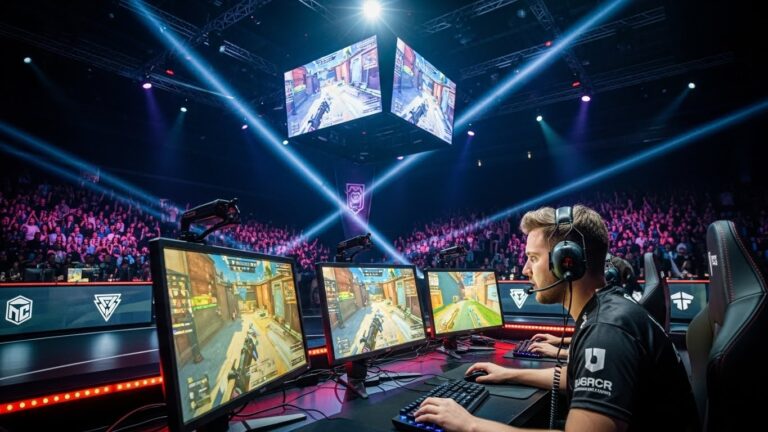
eSports is not just about playing; it requires dedication, strategy, and mental agility. Professional players spend hours perfecting their skills, studying game mechanics, and collaborating with teammates. Games like League of Legends, Call of Duty, and Fortnite demand quick reflexes, critical thinking, and precise coordination. This level of discipline shows that eSports athletes train as rigorously as traditional sports players.
Technology Driving eSports
Technology is the foundation of eSports. High-performance computers, gaming consoles, VR systems, and fast internet connections make competitive play possible. Streaming platforms and analytics tools allow fans to watch live tournaments, follow player performance, and engage with content globally. Technological innovations continue to enhance gameplay, making competitions immersive and interactive.
Building Community Through eSports
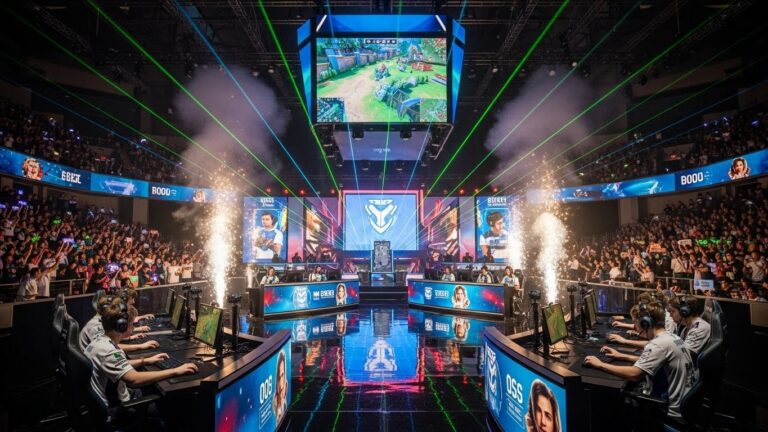
One of the most powerful aspects of eSports is its ability to connect people. Online multiplayer platforms, live streams, and tournaments create communities where fans and players interact, share strategies, and celebrate victories. eSports fosters friendships and teamwork, proving that gaming can build real-world social connections across countries and cultures.
Career Opportunities in eSports
The growth of eSports has opened diverse career paths. Players, coaches, analysts, commentators, event organizers, and content creators all play vital roles in the industry. Sponsorships, streaming, and brand partnerships provide additional income and opportunities. eSports allows passionate individuals to turn gaming into a professional career, inspiring the next generation of digital athletes.
The Future of eSports
The future of eSports promises further innovation. Virtual reality, augmented reality, and AI-driven gaming will create even more immersive experiences. Global tournaments will expand, attracting larger audiences and higher investments. eSports is set to continue shaping entertainment, technology, and culture, becoming a lasting global phenomenon.
Conclusion
eSports is more than a form of entertainment—it is a competitive, technological, and cultural movement. It combines skill, strategy, and community, providing players and fans with experiences unlike any other. As the industry grows, eSports will continue to inspire, connect, and entertain, proving that the digital arena is here to stay.
About the Author