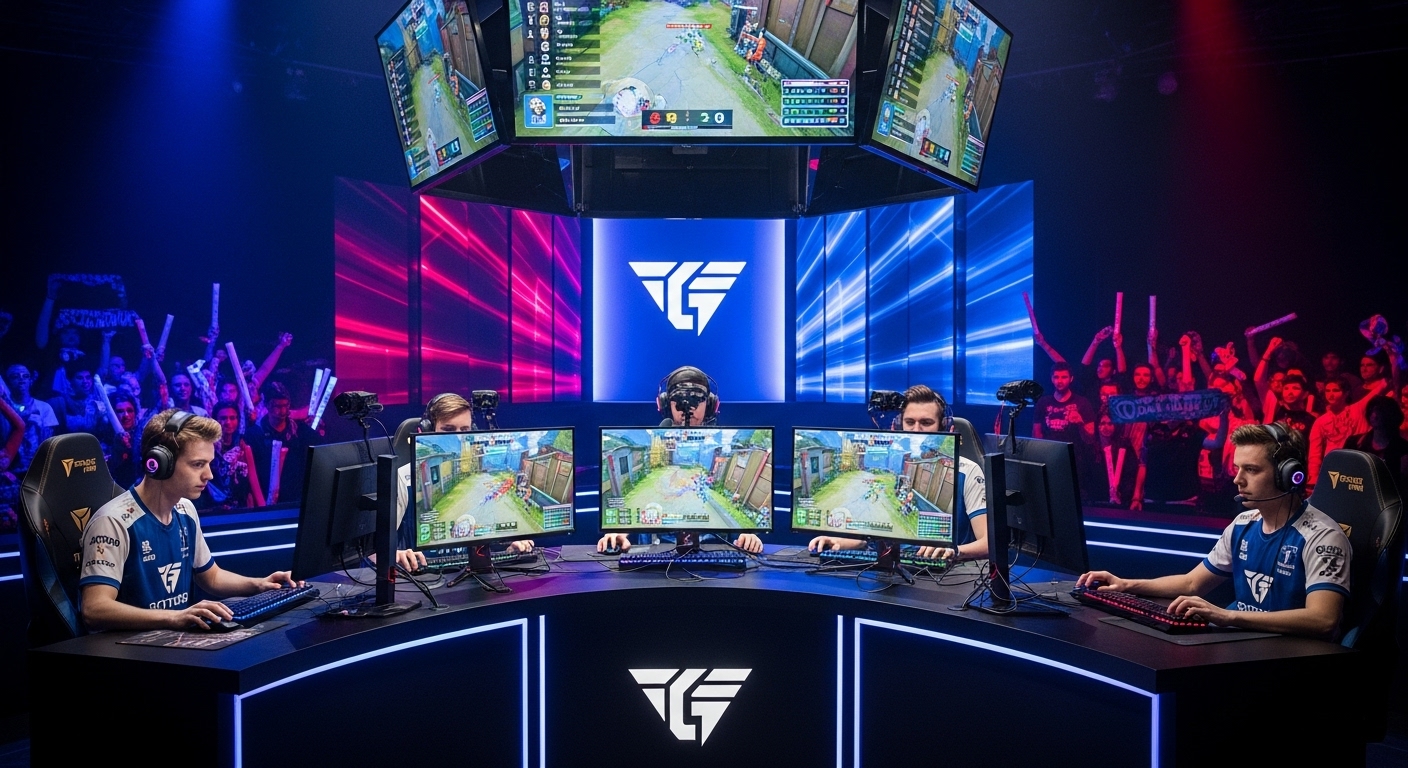
eSports has become one of the most influential forms of entertainment and competition in the digital age. What started as casual video gaming has evolved into a professional industry that draws millions of players, viewers, and investors worldwide. It is more than a hobby—it is a global movement that blends skill, strategy, and innovation.
Understanding eSports
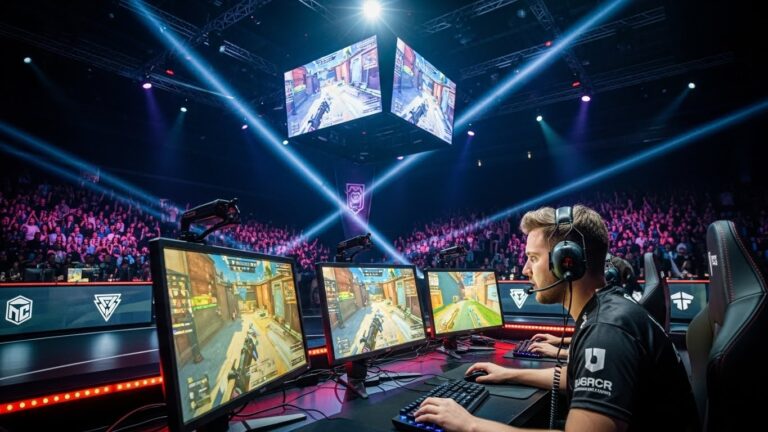
eSports, short for electronic sports, is organized competitive gaming where individuals or teams compete in various video game genres. From first-person shooters to strategy games, battle royales, and sports simulations, eSports demands precision, critical thinking, and teamwork. Professional players dedicate themselves to mastering techniques, studying opponents, and developing strategies, similar to traditional athletes.
The Evolution of Competitive Gaming
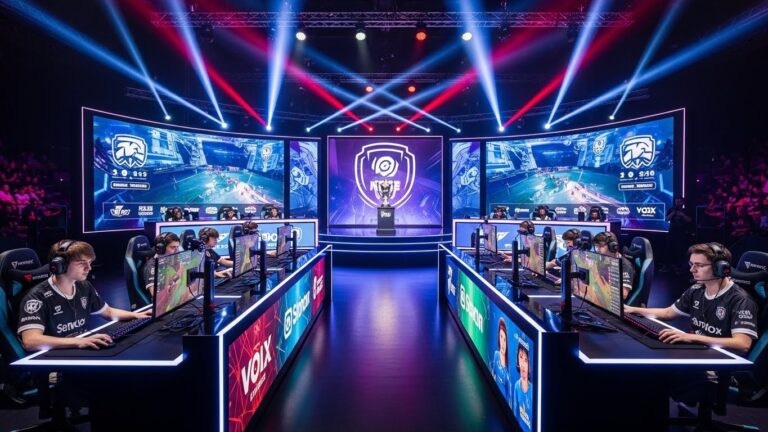
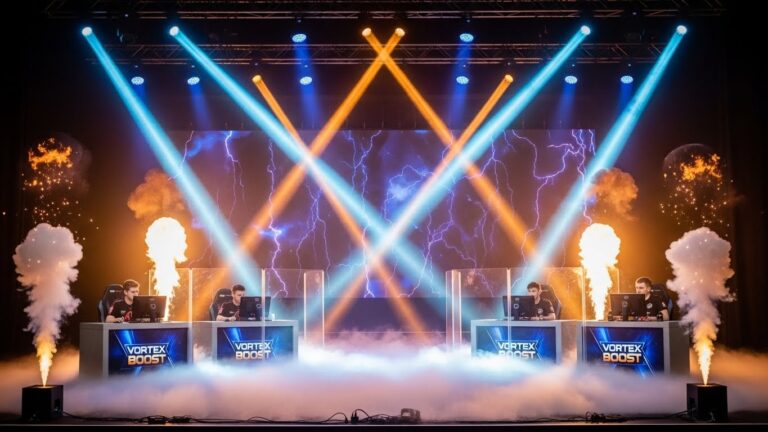
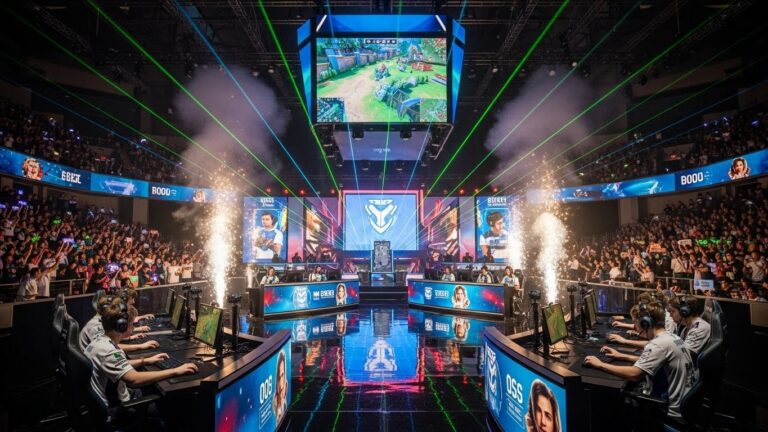
The rise of eSports has been extraordinary. Small community tournaments have grown into international competitions with huge prize pools and global audiences. Streaming platforms allow fans to watch live matches from anywhere in the world, while stadiums host major events that rival traditional sports in excitement and spectacle. The popularity of eSports continues to grow, making it a cultural phenomenon.
Skills and Discipline
Success in eSports requires more than fast reflexes. Players must cultivate strategy, teamwork, communication, and mental focus. Training often includes long hours of practice, reviewing gameplay, and analyzing opponents. This combination of mental agility and coordination makes eSports a demanding competitive field, showing that gaming requires as much discipline as any traditional sport.
The Business of eSports
eSports is now a billion-dollar industry. Teams, tournaments, and streaming services generate revenue through sponsorships, merchandising, and media deals. Careers have expanded beyond players to include coaches, analysts, content creators, and event organizers. Universities and institutions are also recognizing eSports by offering scholarships and programs for talented players.
Community and Culture
At its core, eSports is about community. Fans and players from across the globe connect through shared interests, forming friendships and online networks. Multiplayer and cooperative games encourage collaboration and teamwork, while tournaments and live events foster a sense of belonging. eSports has created a global culture that unites people through a shared passion for gaming.
The Future of eSports
The future of eSports is bright, with technology driving innovation. Virtual reality, augmented reality, and faster internet connections promise more immersive and interactive experiences. As the industry grows, eSports will continue to influence entertainment, education, and technology, solidifying its place in global culture.
Conclusion
eSports is more than a game—it is a revolution in the way people compete, connect, and entertain themselves. It combines skill, strategy, and community while creating opportunities and inspiring millions worldwide. As technology and creativity evolve, eSports will remain a defining feature of the digital era, reshaping the world of competition and culture.
About the Author