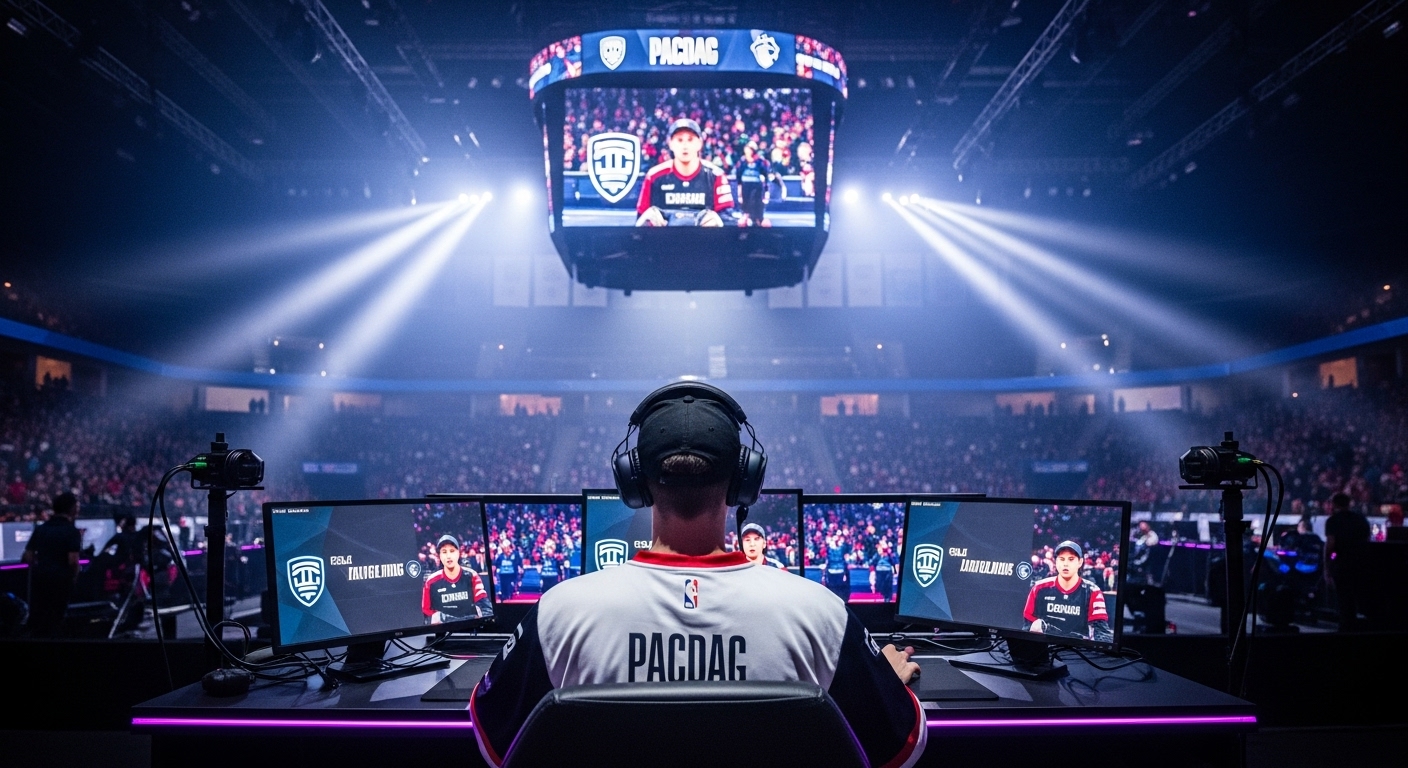
In the last decade, esports has transformed from a niche pastime into a global phenomenon. Competitive gaming, once relegated to small tournaments and local LAN parties, now attracts millions of viewers, massive sponsorships, and substantial prize pools. Esports has firmly established itself as a serious industry with professional athletes, global audiences, and cultural influence. But what exactly is esports, and how did it rise to the top of the entertainment world?
Understanding Esports: More Than Just Gaming
At its core, esports refers to organized, multiplayer video game competitions, particularly between professional players, individually or as teams. What makes esports distinct from casual gaming is its structure, organization, and scale. It’s a sport in its own right, with tournaments that resemble traditional sporting events, complete with live audiences, broadcasters, commentators, and sponsorships.
The rise of esports can be attributed to the growing popularity of multiplayer games, especially titles that emphasize strategy, teamwork, and skill. Games like League of Legends, Dota 2, Counter-Strike, and Fortnite are the backbone of the esports industry, offering not only entertainment but also a platform for players to showcase their abilities and compete at the highest level.
The Explosion of Esports Tournaments
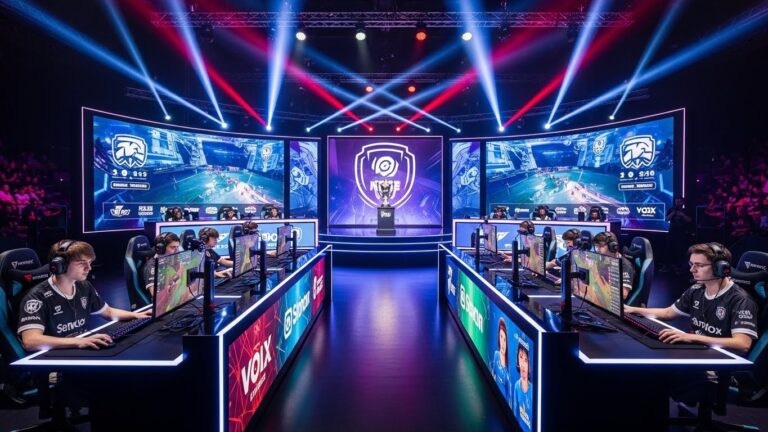
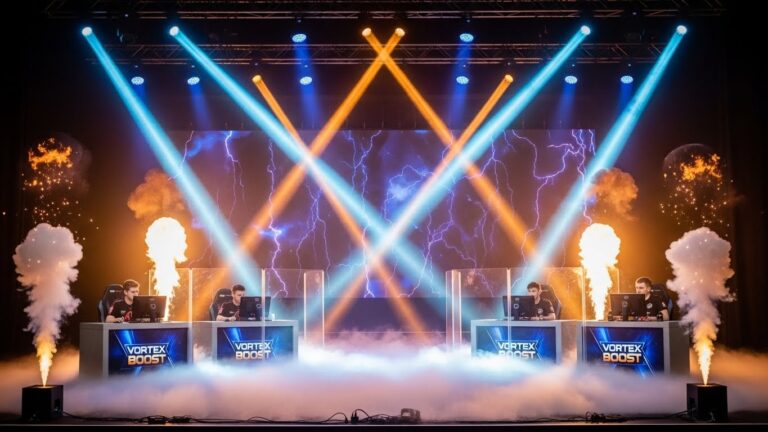
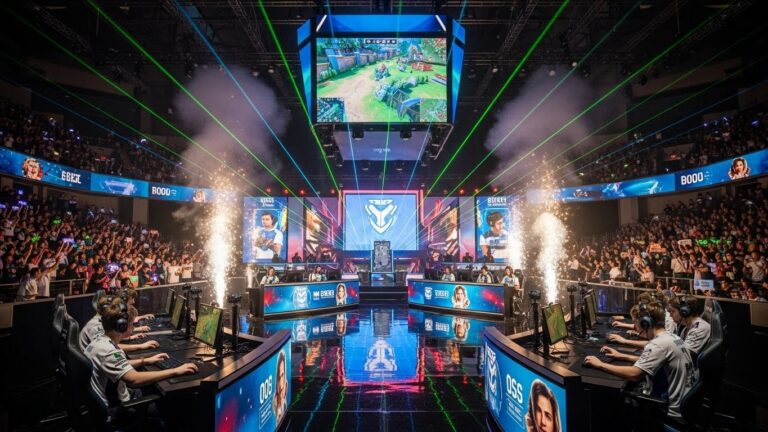
Esports tournaments are the heartbeat of the industry. These events bring together the best players from around the world to compete for large prize pools, sponsorship deals, and the coveted title of champion. One of the most notable aspects of these tournaments is their scale.
The League of Legends World Championship, for example, draws millions of viewers, and its prize pool can exceed tens of millions of dollars. Similarly, The International (a tournament for Dota 2) is renowned for its massive community-driven prize pool, often setting records with the amount of money raised by fans.
What sets these events apart from traditional sports is the accessibility. While watching a football match might require a ticket to the stadium or a cable subscription, esports tournaments are broadcasted online, available to anyone with an internet connection. This accessibility has helped esports flourish in a way that traditional sports cannot replicate, particularly in regions where infrastructure for traditional sports might be limited.
Professionalism in Esports: Athletes and Teams
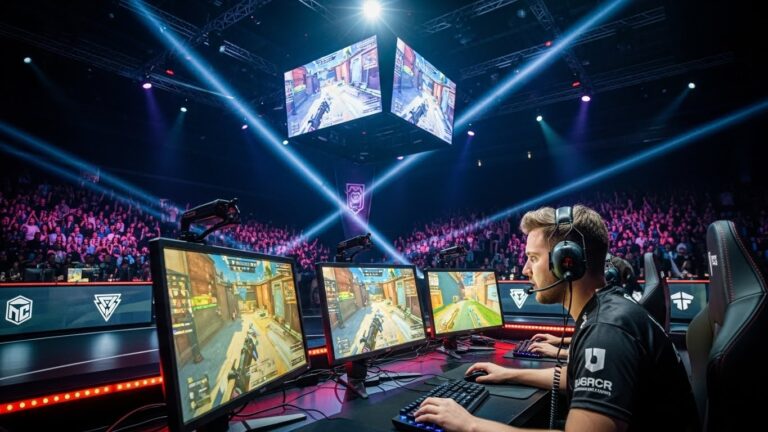
Esports has grown into a multi-faceted industry, and with that growth comes an increased level of professionalism. Unlike the early days of gaming, where competitive players were largely amateurs, modern esports athletes are full-time professionals. Many of them practice for hours a day, analyzing their performance, learning from mistakes, and collaborating with their teammates to refine strategies.
Professional teams, much like in traditional sports, have coaches, analysts, and even sports psychologists to help players perform at their best. The stakes are high in esports, and the competition is fierce. Players sign contracts, receive salaries, and have sponsorships with brands such as Intel, Red Bull, and Nike. The top players can earn millions of dollars, not just from tournament prize money but also from endorsements, streaming revenue, and merchandise sales.
Teams like Cloud9, G2 Esports, and Team Liquid have become as recognizable as major traditional sports franchises, and their players are treated like celebrities. The level of investment in talent and training is just as serious as any professional sports league.
Streaming: The New Wave of Entertainment
One of the biggest catalysts for the rise of esports has been the advent of live-streaming platforms. Twitch, YouTube Gaming, and Facebook Gaming have revolutionized how people consume esports content. Viewers can watch their favorite players and teams in real-time, interact with them through live chat, and enjoy the full spectacle of a tournament, all from the comfort of their homes.
Streaming has given esports a direct connection to its fans. Unlike traditional sports, where viewers might watch a game and have limited engagement, esports allows for a much more interactive experience. Fans can talk to players, offer tips, or simply cheer on their team in a dynamic, real-time setting.
Beyond tournaments, streaming has also created new avenues for players to earn revenue. Many professional gamers stream their daily practice sessions, gameplay, and even casual games, building loyal fanbases in the process. These streams often generate additional income from donations, subscriptions, and sponsorships.
Esports and Its Global Appeal
One of the unique aspects of esports is its global nature. Unlike traditional sports, where certain regions dominate (e.g., the NFL in the U.S., or football in Europe), esports offers a level playing field for players from all over the world. In tournaments like The International, you’ll find teams from South Korea, China, Europe, and North America, all competing for supremacy.
The international nature of esports means it transcends borders. Cultural and language barriers are often minimized thanks to the global commonality of video games. Fans from different regions may not speak the same language, but they share the same love for the games and players they support. This global fanbase is reflected in the viewership numbers for major events, where audiences from across the world tune in to watch the best players compete.
Countries like South Korea, China, and the United States are leaders in the esports scene, but other regions are quickly catching up. Southeast Asia, Latin America, and even parts of Africa are becoming increasingly important players in the esports ecosystem, both in terms of players and viewers.
The Future of Esports: Infinite Potential
The future of esports is incredibly promising. As technology continues to advance, so too will the capabilities of esports. Virtual Reality (VR) and Augmented Reality (AR) are already making their way into gaming, and esports will undoubtedly integrate these technologies, offering new ways to compete and spectate. Imagine a future where fans can experience an esports tournament from the perspective of their favorite player or even step into the game itself.
Furthermore, the potential for esports to be included in major global events, such as the Olympics, is growing. Discussions around integrating esports into the Olympic Games have been ongoing for several years, and it’s becoming increasingly likely that competitive gaming will be recognized on this stage in the near future.
The monetization of esports is also evolving. Beyond sponsorships and prize money, new business models are emerging, such as media rights deals and merchandise sales. As esports continues to gain mainstream appeal, we can expect even more investment and development from both the tech industry and traditional businesses.
Esports in Popular Culture
Esports has made its mark on popular culture in a way few could have predicted. Players like Ninja, Shroud, and PewDiePie have become household names, not just for their gaming skills, but for their influence on social media, streaming, and even mainstream media appearances. Esports players are no longer just anonymous competitors—they are celebrities with their own brands, sponsors, and personal followings.
Games that started as niche titles have found their way into the wider entertainment world. Films, documentaries, and TV shows have been made about esports, and the cultural impact of competitive gaming is only growing. The rise of esports is a testament to the power of gaming to bridge generations, cultures, and communities.
Conclusion: Esports Is Here to Stay
Esports is no longer a passing trend. It is a legitimate industry with a global fanbase, professional players, and a bright future. From humble beginnings in living rooms and arcades to massive tournaments broadcast to millions, esports has evolved into a cornerstone of the entertainment world.
As the industry continues to grow, it will undoubtedly evolve, adapting to new technologies, expanding its audience, and creating new opportunities for players, teams, and fans. Whether you’re an avid gamer or just starting to dip your toes into the world of competitive gaming, one thing is clear: esports is here to stay, and its influence on the entertainment landscape will only continue to expand.
About the Author