Introduction: The Digital Arena Comes of Age
Esports, once dismissed as a niche pastime for dedicated gamers, has grown into a global cultural and economic powerhouse. What started in small internet cafés and community tournaments has evolved into sold-out arenas, multimillion-dollar prize pools, celebrity players, and millions of fans watching live across the world. Today, esports stands at the intersection of technology, entertainment, and competition, reshaping how people perceive sports, careers, and digital communities. This blog explores the rise of esports, its ecosystem, its cultural influence, and what the future holds for this rapidly expanding industry.
The Origins of Competitive Gaming
Competitive gaming did not appear overnight. Its roots can be traced back to the early days of arcade gaming, when players competed for high scores on machines like Space Invaders and Pac-Man. These informal competitions planted the seed for organized play. With the arrival of personal computers and home consoles, multiplayer gaming became more accessible, allowing players to compete directly rather than asynchronously through scores.
The real turning point came with the rise of the internet. Online connectivity allowed players from different cities and countries to compete in real time. Games such as real-time strategy titles and first-person shooters laid the foundation for structured tournaments, clans, and rankings. What was once a hobby driven by passion gradually transformed into a structured competitive scene.
Defining Esports in the Modern Era
Esports refers to organized, competitive video gaming where players or teams compete under standardized rules for recognition, rankings, and prizes. Unlike casual gaming, esports emphasizes skill mastery, strategic depth, teamwork, and consistent performance under pressure. Professional players often train for hours each day, analyzing gameplay, refining mechanics, and coordinating with teammates much like athletes in traditional sports.
The modern esports ecosystem includes professional leagues, seasonal tournaments, international championships, and franchised teams. Games vary widely in genre, from strategy-heavy titles to fast-paced shooters and sports simulations. This diversity allows esports to attract a broad audience with different tastes and preferences.
The Players: Digital Athletes of a New Generation
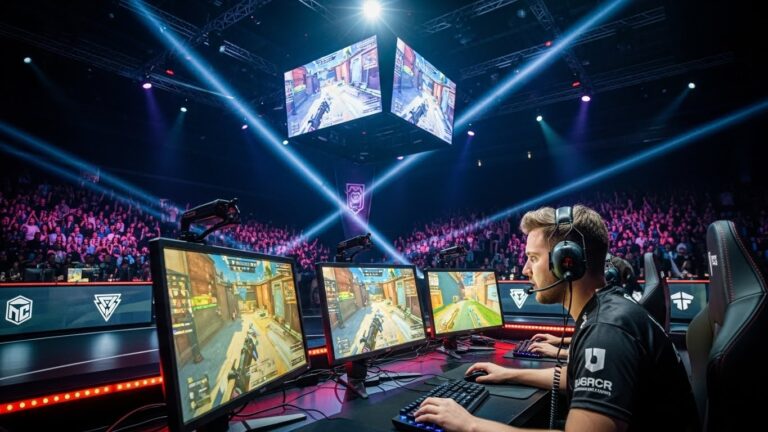
Esports athletes challenge the outdated stereotype of gamers as isolated or unathletic. Professional players must maintain exceptional reflexes, hand-eye coordination, mental resilience, and strategic thinking. At the highest level, milliseconds can determine victory or defeat. Many teams employ coaches, analysts, nutritionists, and mental health professionals to support player performance and well-being.
Training routines often include scrimmages, individual practice, replay analysis, and strategy sessions. Communication and teamwork are critical, particularly in team-based games where coordination and trust can define success. As esports matures, player contracts, salaries, and career longevity have become increasingly structured, further legitimizing the profession.
The Role of Teams and Organizations
Behind every successful esports player is an organization that provides infrastructure and support. Esports organizations function similarly to traditional sports clubs, managing rosters, branding, sponsorships, and fan engagement. They invest in training facilities, marketing teams, and content creation to build a strong identity.
These organizations also play a key role in developing talent. Amateur leagues and academy teams allow younger players to gain experience before entering the professional scene. This structured pathway mirrors traditional sports development systems and ensures a steady flow of new talent into the ecosystem.
Esports as a Spectator Experience
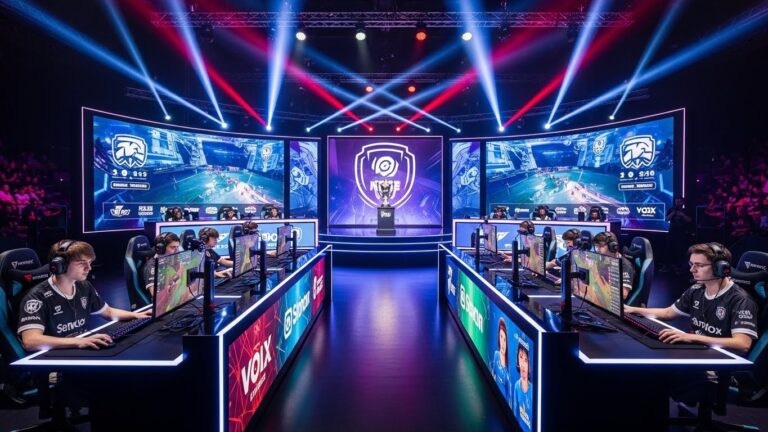
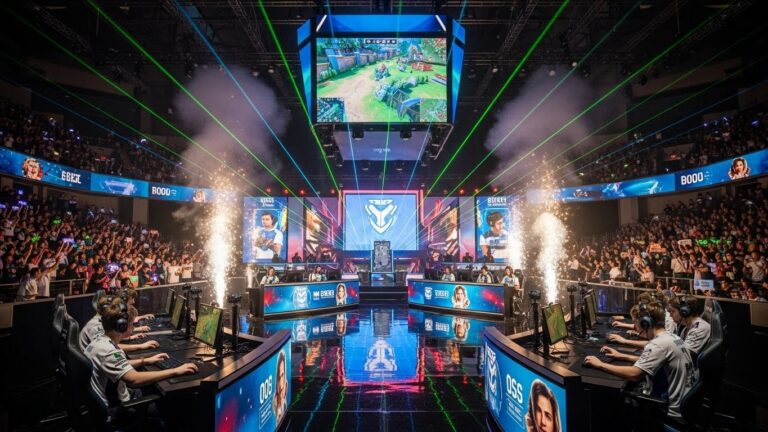
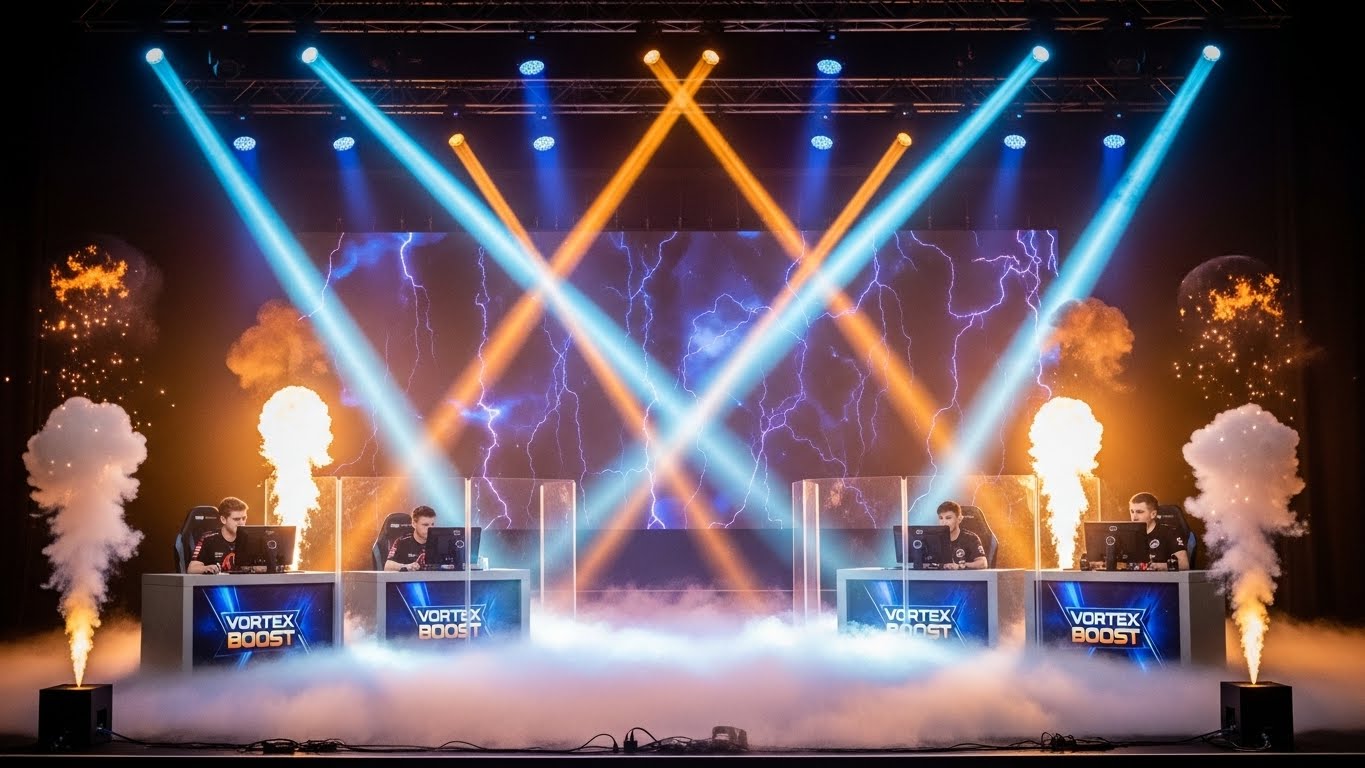
One of the most remarkable aspects of esports is its ability to captivate millions of viewers. Esports events combine high-level competition with immersive production, including live commentary, analysis desks, player cameras, and dynamic visuals. Fans can watch matches live, interact through chats, and follow their favorite teams across seasons.
Unlike traditional sports, esports spectators often have a deep understanding of the game mechanics, which enhances engagement. Viewers appreciate not only the outcome of a match but also the strategies, adaptations, and individual skill displays that unfold during gameplay. This level of insight creates a unique bond between players and fans.
Economic Impact and Industry Growth
The esports industry has experienced rapid economic growth, driven by sponsorships, advertising, merchandise, ticket sales, and media rights. Brands from both gaming and non-gaming sectors have recognized esports as a valuable platform to reach younger, digitally savvy audiences. As a result, partnerships and endorsements have become a major revenue stream for teams and events.
Beyond direct revenue, esports has created new career opportunities. Roles such as shoutcasters, event organizers, broadcast producers, graphic designers, and community managers are now integral to the industry. This expanding job market demonstrates that esports is not just about playing games, but about building a comprehensive entertainment ecosystem.
Cultural Influence and Social Connection
Esports has had a profound cultural impact, particularly among younger generations. It has redefined what it means to be a fan, allowing individuals to connect with others across borders through shared interests. Online communities form around teams, players, and games, fostering a sense of belonging and identity.
Additionally, esports has contributed to the normalization of gaming as a legitimate form of competition and expression. Schools and universities have begun to recognize esports programs, offering scholarships and competitive teams. This institutional support signals a broader acceptance of esports within mainstream culture.
Challenges Facing the Esports World
Despite its growth, esports faces several challenges. Player burnout is a significant concern, as intense training schedules and constant competition can take a toll on mental and physical health. The industry is increasingly aware of this issue and is exploring solutions such as regulated schedules and wellness programs.
Another challenge lies in maintaining competitive integrity. Issues such as cheating, match-fixing, and inconsistent governance can undermine trust in the scene. Establishing standardized rules, transparent enforcement, and ethical guidelines remains a work in progress across different games and regions.
Financial sustainability is also an ongoing discussion. While top organizations thrive, smaller teams and events may struggle to remain profitable. Balancing investment, revenue, and long-term growth is essential for the continued stability of the esports ecosystem.
The Future of Esports
Looking ahead, the future of esports appears promising and dynamic. Advances in technology, such as virtual reality and improved broadcasting tools, may further enhance both player performance and viewer experience. As internet access and gaming infrastructure improve globally, new regions are likely to emerge as competitive powerhouses.
Esports may also continue to blur the line between traditional sports and digital competition. Collaborations, shared venues, and hybrid events could become more common, bringing diverse audiences together. With increased regulation, education, and innovation, esports is poised to evolve into an even more inclusive and influential global phenomenon.
Conclusion: More Than Just a Game
Esports is no longer simply about playing video games. It represents a shift in how competition, entertainment, and community are experienced in the digital age. From its humble beginnings to its current status as a global industry, esports has proven its ability to adapt, inspire, and unite people across cultures. As it continues to grow, esports will not only shape the future of gaming but also redefine what it means to compete, connect, and succeed in a digitally connected world.
About the Author