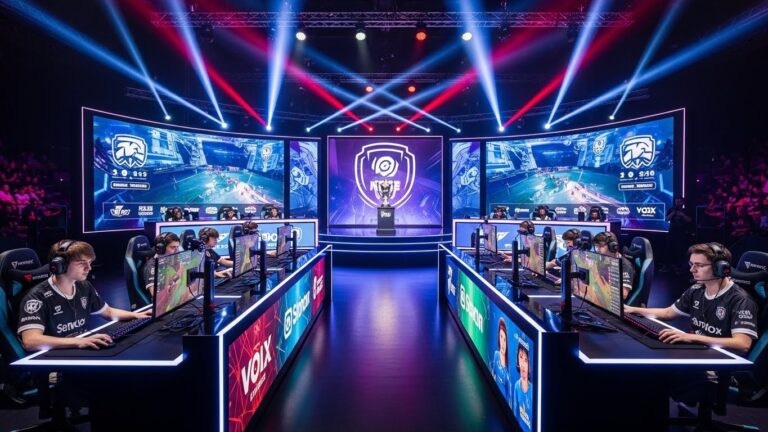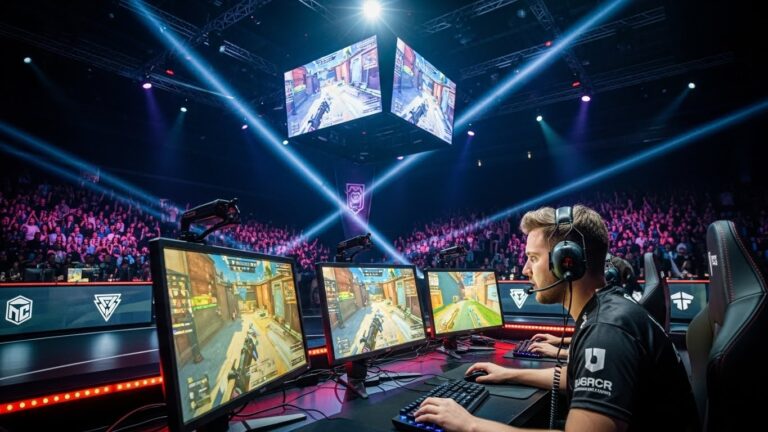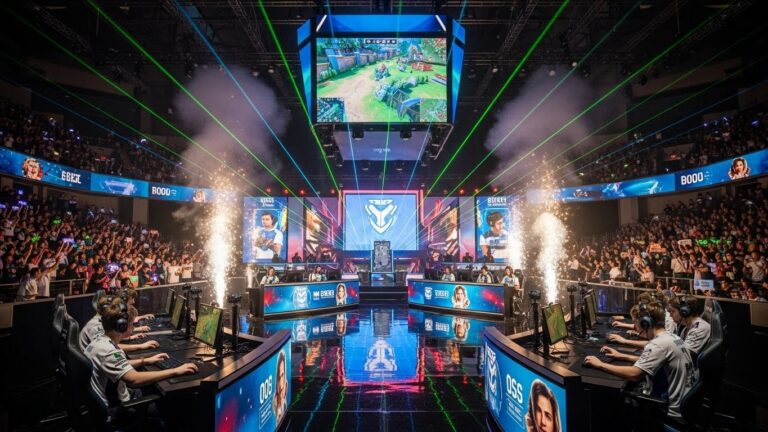
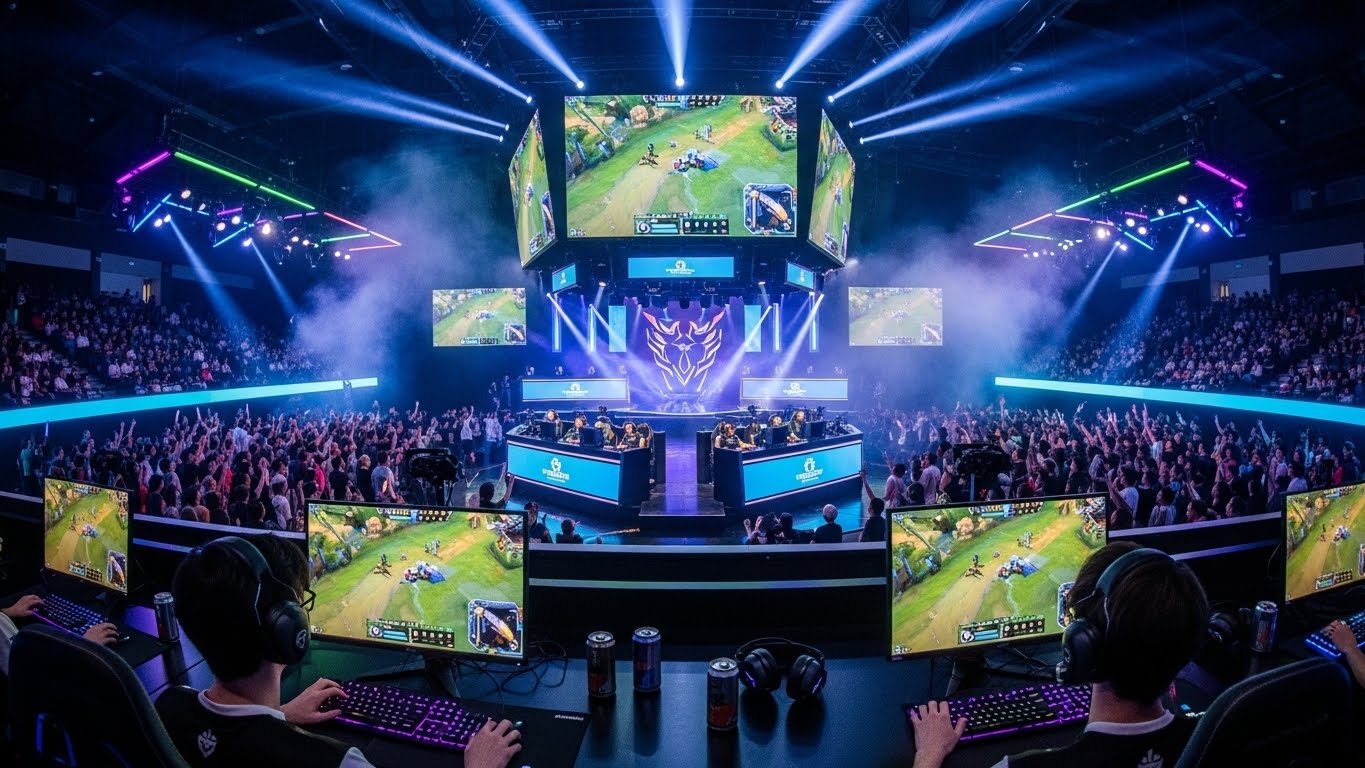
Esports, or competitive video gaming, has grown from a niche hobby into a global phenomenon in just a few decades. What started as casual competitions among friends has evolved into an entire industry with professional players, massive tournaments, dedicated teams, and millions of fans worldwide. Beyond the thrill of competition, esports is shaping entertainment, culture, education, and career opportunities. This blog explores the growth of esports, its cultural and economic impact, benefits, challenges, and the exciting future of competitive gaming.
The Origins of Esports
Esports has its roots in the 1970s and 1980s when video game competitions began in arcades and college campuses. Early tournaments focused on high scores and small-scale contests. Although modest, these competitions laid the foundation for organized gaming as a competitive activity.
In the 1990s, multiplayer games like StarCraft, Quake, and Counter-Strike revolutionized competitive gaming. South Korea emerged as a pioneer, establishing professional leagues and formal training programs for elite players. The growth of the internet allowed players to compete globally, connecting communities across continents. By the early 2000s, esports had firmly established itself as more than a hobby—it was becoming a serious professional pursuit.
The Structure of Esports Competitions
Esports competitions span multiple game genres, including real-time strategy, first-person shooters, sports simulations, fighting games, and battle royale titles. Professional leagues operate similarly to traditional sports, complete with teams, coaches, analysts, and dedicated training regimens.
Top-tier tournaments like the League of Legends World Championship, Dota 2’s The International, and the Fortnite World Cup attract millions of viewers worldwide. These events feature high-level competition, live commentary, and sophisticated production, creating an immersive experience for fans. Esports requires not only skill and strategy but also discipline, teamwork, and mental resilience.
Cultural Influence of Esports
Esports has become a cultural phenomenon that goes beyond gaming itself. Online communities provide spaces for players to connect, collaborate, and share experiences. Gaming culture has developed its own traditions, language, and media, forming a unique digital ecosystem.
Streaming platforms, fan art, cosplay, and social media engagement are all integral parts of esports culture. Fans and players alike participate in content creation, making esports a participatory and interactive form of entertainment. Tournaments and conventions have evolved into social gatherings, uniting people from diverse backgrounds through a shared passion.
Educational and Cognitive Benefits
Esports offers a variety of cognitive and educational benefits. Players develop critical thinking, problem-solving, strategic planning, and decision-making skills. Many competitive games require real-time analysis and adaptive thinking, which can be applied in academic and professional contexts.
Educational institutions have begun to recognize these advantages. Schools and universities offer esports programs, courses, and scholarships that teach game design, event management, marketing, and team leadership. Esports provides students with opportunities to develop skills that extend beyond gaming, preparing them for careers in a digital and technology-driven world.
Physical and Mental Well-Being in Esports
While esports may appear sedentary, top-level players prioritize physical fitness to enhance reaction times, endurance, and focus. Exercise, proper nutrition, and ergonomics are essential to maintain peak performance during long gaming sessions. Stretching and physical activity also prevent strain injuries common among competitive gamers.
Mental health is equally important. Competitive pressure, long practice hours, and high-stakes tournaments can lead to stress and burnout. Mental coaching, stress management techniques, and supportive team environments are crucial to sustaining both performance and well-being. Balancing training with rest, nutrition, and social interaction is key to a long-term successful career in esports.
Economic Impact of Esports
Esports is now a multibillion-dollar industry with revenue generated from sponsorships, advertising, media rights, merchandise, and tournament tickets. Global brands invest heavily in esports to connect with younger, digitally native audiences, fueling the growth of leagues, teams, and content creators.
The industry has also created numerous career opportunities beyond players. Coaches, analysts, broadcasters, event organizers, marketers, and technical staff are all essential to the esports ecosystem. The professionalization of esports proves that gaming is not merely recreational but a viable career path with diverse opportunities for growth and employment.
Esports as a Global Spectacle
Major esports tournaments rival traditional sports in scale and production value. Arena events filled with cheering fans, combined with high-quality live streaming, commentary, and interactive graphics, create immersive experiences for spectators. Millions of people worldwide tune in to watch matches and follow their favorite teams and players.
International tournaments foster global camaraderie and healthy competition. Players from different countries face off, building cross-cultural connections and mutual respect. Esports serves as a platform for global interaction, demonstrating how competition can unite people beyond borders.
Inclusivity and Diversity in Esports
Esports is often more inclusive than traditional sports. Participation is open to people regardless of age, gender, or physical ability. Female gamers, players with disabilities, and individuals from underrepresented communities are increasingly gaining recognition and opportunities in competitive circuits.
Efforts to promote inclusivity continue to grow. Programs and initiatives focus on creating safe environments, mentorship opportunities, and equitable pathways to professional competition. This inclusivity is a key reason esports has expanded so rapidly and gained global popularity.
Challenges Facing the Industry
Despite its rapid growth, esports faces several challenges. Player burnout, mental health issues, cheating, and match-fixing are ongoing concerns. The fast-paced nature of game development requires players to constantly adapt to stay competitive.
Gender disparity, harassment, and unequal access to resources remain issues that the industry must address. Building fair, ethical, and supportive competitive environments is critical to sustaining the long-term growth of esports. Community guidelines, regulatory oversight, and mentorship programs are essential components of addressing these challenges.
Technological Innovations Driving Esports
Technology has been central to the rise of esports. High-speed internet, live streaming platforms, analytics software, and performance tracking tools have transformed the way games are played and consumed. Emerging technologies such as virtual reality, augmented reality, and artificial intelligence are poised to further enhance the esports experience, offering more immersive and interactive competitions.
Technology has also democratized access to esports. Online platforms allow amateur players to compete, stream, and grow audiences from anywhere in the world. Mobile esports is growing rapidly, allowing millions to participate using smartphones. These technological advances ensure esports will continue to evolve and attract new participants.
The Future of Esports
The future of esports is full of potential. Competitive gaming is likely to become further integrated into mainstream media, educational systems, and professional sports. Emerging technologies, expanded access, and increasing societal acceptance will continue to drive growth.
Esports represents a new frontier in entertainment, where skill, strategy, and creativity intersect. The industry’s trajectory suggests that esports will remain a dominant cultural and professional force, redefining how people play, watch, and interact in the digital age.
Conclusion: Esports as a Cultural and Professional Revolution
Esports is more than just playing video games. It is a cultural, economic, and social revolution. From grassroots tournaments to global championships, esports has transformed entertainment, education, and professional opportunities. It fosters community, develops critical thinking and strategic skills, and provides platforms for creativity and self-expression.
The rise of esports demonstrates that competition, teamwork, and skill are not confined to traditional sports arenas. In the digital age, these arenas exist wherever passion, talent, and technology converge. Esports represents the future of competition, entertainment, and cultural engagement, proving that the digital world can be as dynamic and influential as the physical one.
About the Author