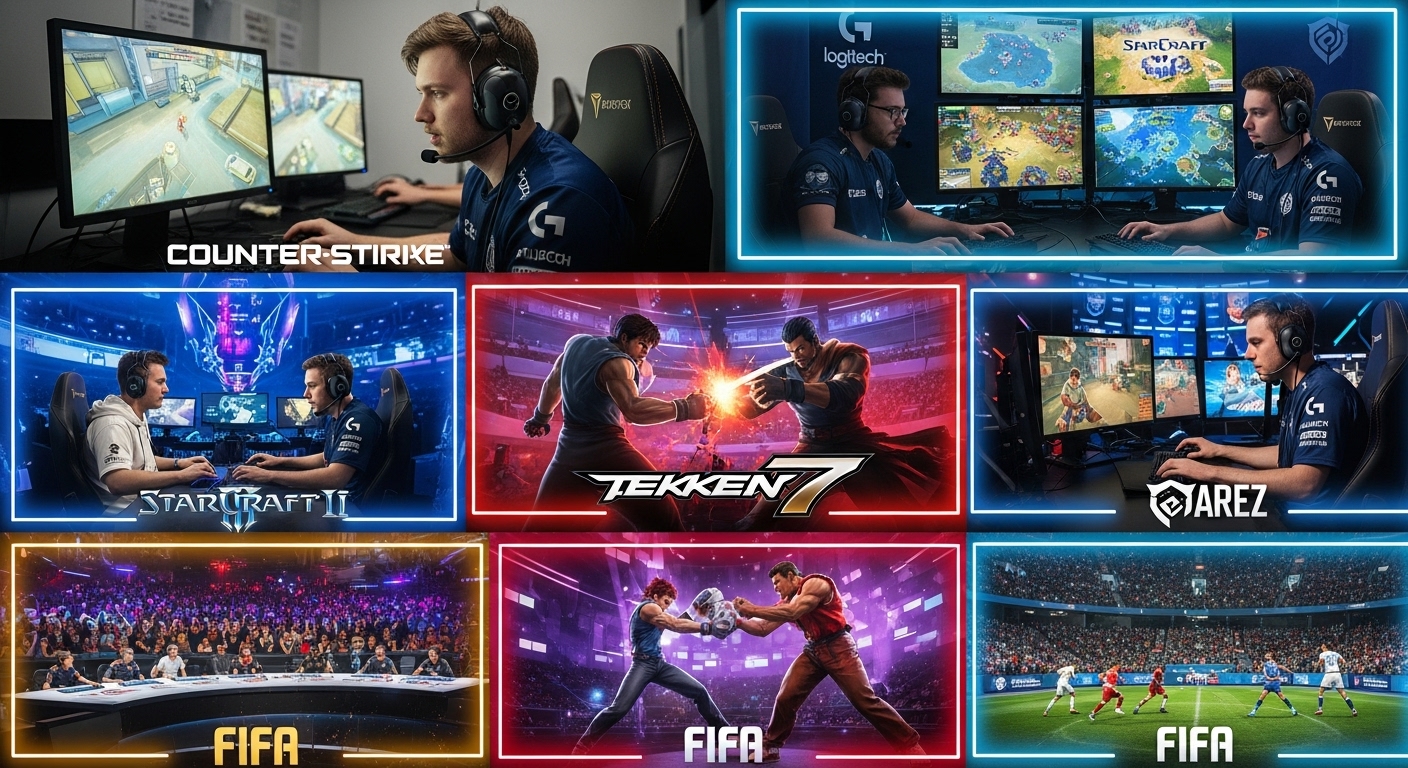
Introduction: The Rise of Esports
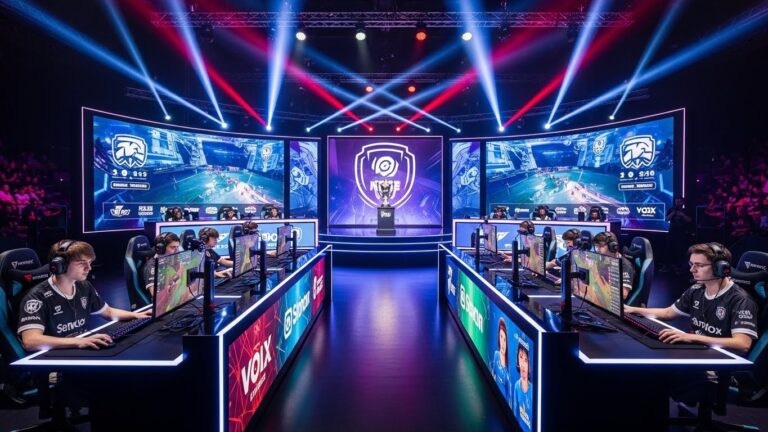
Over the past two decades, the world of entertainment has witnessed a dramatic transformation. Video games, once seen purely as a pastime, have evolved into a massive global industry, and at the center of this evolution is Esports. Short for electronic sports, Esports refers to organized, competitive gaming where players or teams face off in professional tournaments. The industry has grown from small local gatherings to international spectacles, attracting millions of viewers and producing professional athletes who earn salaries and sponsorships comparable to traditional sports stars.
Esports is more than just a hobby; it is a cultural movement, a technological marvel, and an economic powerhouse. It has redefined the concept of sports and competition in the digital age. Fans worldwide follow professional players, cheer for teams, and engage in tournaments, creating a community that thrives both online and offline.
The Origins of Competitive Gaming
Esports did not appear overnight. Its origins can be traced back to the early 1970s when the first known video game competition took place at Stanford University. Students competed in the game Spacewar for a subscription to a gaming magazine, marking the humble beginnings of what would become a multi-billion-dollar industry.
The 1980s saw the rise of arcade games such as Pac-Man, Donkey Kong, and Galaga. High scores became a mark of prestige, and local competitions drew large crowds. Gaming culture began to spread, with enthusiasts dedicating hours to mastering the mechanics of their favorite games.
By the 1990s, the advent of personal computers and internet connectivity allowed for online multiplayer competitions. Games like Doom, Quake, and StarCraft enabled players from different countries to compete against each other in real time. South Korea played a pivotal role during this era, developing professional leagues for StarCraft that attracted national attention and helped establish gaming as a legitimate competitive pursuit.
Esports as a Professional Career
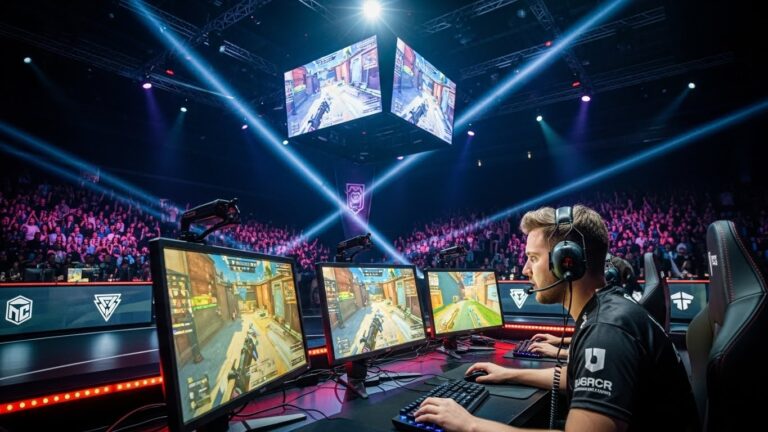
Today, Esports offers viable career paths for skilled players. Professional gamers dedicate extensive hours to practice, strategy, and teamwork. Like traditional athletes, they undergo rigorous training regimens, focusing on reflexes, decision-making, and communication.
Professional players can earn income from tournament winnings, sponsorships, streaming, and merchandise. Teams like Team Liquid, Cloud9, and Fnatic operate like sports franchises, employing coaches, analysts, nutritionists, and managers. Players are contractually bound to their organizations, and top-tier competitions offer prize pools in the millions of dollars.
While the lifestyle of a pro gamer can be glamorous, it is not without challenges. Long hours of practice, travel, and the pressure to perform can lead to physical and mental strain. As a result, wellness programs and professional support are increasingly being implemented by organizations to ensure player longevity and health.
Popular Esports Game Genres
Esports is diverse, encompassing multiple genres of games, each with its own unique competitive scene and fanbase.
Multiplayer Online Battle Arena (MOBA)
Games like League of Legends and Dota 2 are the epitome of MOBA competition. These games emphasize teamwork, strategy, and real-time decision-making. The complexity of the game and the need for synchronized team play make MOBA tournaments some of the most popular and widely watched in Esports history.
First-Person Shooters (FPS)
FPS games, including Counter-Strike: Global Offensive, Valorant, and Overwatch, require fast reflexes, precision aiming, and tactical awareness. These games often feature professional teams with specialized roles, and tournaments are characterized by intense action and strategic depth.
Battle Royale
The battle royale genre, popularized by games like Fortnite and PUBG, involves large numbers of players competing in shrinking arenas to be the last person or team standing. The unpredictability and high stakes of these matches make them ideal for live streaming and viewer engagement.
Sports Simulations
Games like FIFA and NBA 2K bring the excitement of real-world sports into the virtual arena. Competitive leagues in these games mirror professional sports, complete with tournaments, championships, and international competitions.
Fighting Games
Titles such as Street Fighter, Tekken, and Super Smash Bros. showcase one-on-one combat where timing, skill, and strategy determine the victor. Fighting games maintain a strong grassroots community, and tournaments like EVO celebrate the global competitive scene.
The Growth of Esports Tournaments
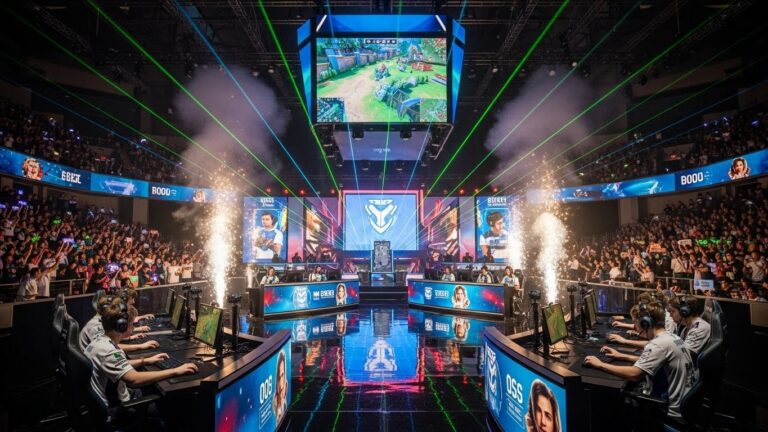
Esports tournaments have evolved from small local competitions to massive global events. Early competitions were limited to LAN parties and small online matches. However, with the advent of live streaming and professional organizations, tournaments now fill stadiums and attract millions of online viewers.
Major events such as The International for Dota 2, the League of Legends World Championship, and the Overwatch League Finals offer multi-million-dollar prize pools. These events feature professional broadcasting, commentary, and audience engagement comparable to traditional sports. The tournaments are meticulously organized, with official rules, referees, and live coverage, creating a highly immersive experience for fans.
The Role of Streaming Platforms
Streaming platforms have been instrumental in Esports growth. They allow fans to watch live competitions, follow their favorite players, and engage with the community in real time. Popular platforms have enabled casual viewers to become loyal fans and given players an additional revenue stream through subscriptions, donations, and sponsorships.
Streaming has also democratized the industry. Anyone with gaming skills and charisma can build a following and potentially attract professional opportunities. These platforms also allow for continuous content creation, keeping fans engaged beyond official tournaments.
Esports as a Spectator Sport
Esports has successfully become a spectator sport. The thrill of watching strategic plays, clutch moments, and intense competition captivates audiences worldwide. Professional commentators, or casters, narrate matches with insight and energy, breaking down complex strategies and making them accessible to viewers.
Live events combine digital competition with entertainment production. Fans experience immersive lighting, music, and real-time statistics that enhance the spectacle. Beyond competition, fans connect through social media, forums, and online communities, creating a shared cultural experience that transcends the game itself.
Economic Impact and Industry Growth
Esports is a billion-dollar industry with multiple revenue streams. Sponsorships, advertising, merchandise, media rights, and live events drive significant financial growth. Prize pools for major tournaments can reach tens of millions of dollars, attracting players and investors alike.
The industry also creates employment opportunities beyond competitive play. Event organizers, commentators, marketing professionals, analysts, and content creators contribute to a thriving ecosystem. Esports has become a viable business model that continues to expand with technology and global interest.
Esports in Education and Youth Development
Education has embraced Esports as both a competitive and academic avenue. Universities and high schools now offer scholarships, Esports teams, and courses focused on gaming, game design, and digital marketing.
Esports programs in schools promote teamwork, problem-solving, and communication. They provide a structured environment where students can pursue their passion while developing skills applicable to future careers. This integration has shifted societal perception, showing that gaming can be educational and career-oriented rather than purely recreational.
Challenges Facing Esports
Despite its growth, Esports faces several challenges. Mental and physical strain on players, inconsistent regulations, cheating, and match-fixing are ongoing concerns. Organizations are working to implement standards, wellness programs, and anti-cheating technologies to address these issues.
Inclusion and diversity remain areas of improvement. While more women and underrepresented groups are entering the competitive scene, the industry continues to work toward equitable opportunities for all players.
Financial sustainability is also a consideration. Overreliance on sponsorships and audience fluctuations can affect long-term stability, emphasizing the need for diversified business models and strategic planning.
Technological Advancements Driving Esports
Technology is the backbone of Esports. Advances in gaming hardware, graphics, high-speed internet, and streaming platforms have transformed competitive gaming. Peripheral devices such as specialized keyboards, mice, and monitors provide players with precision and performance.
Cloud gaming and virtual reality are opening new frontiers. AI-driven analytics help players refine strategies and improve performance. 5G connectivity enables mobile Esports and low-latency global competitions. These innovations continue to enhance gameplay, training, and fan experiences.
Social and Cultural Impact of Esports
Esports has reshaped social and cultural landscapes. It connects people across borders, promoting collaboration and shared experiences. Communities thrive online through forums, social media, and live streams, creating a sense of belonging and shared identity.
Esports challenges traditional stereotypes about gaming. Skill, strategy, and teamwork are valued over physical prowess. Women and minorities are increasingly participating in competitive play, advocating for inclusion and recognition. Esports also contributes to charitable causes, with events raising funds for education, disaster relief, and health initiatives.
The Future of Esports
The future of Esports is bright and full of potential. Virtual reality tournaments, AI-assisted training, and the integration of digital worlds with real-world events may define the next generation of competitive gaming. Global recognition of Esports continues to grow, with discussions about its inclusion in events like the Olympics.
Esports is expected to expand in education, business, and media, creating new career pathways and cultural touchpoints. As technology and innovation evolve, Esports will continue to redefine entertainment, sports, and community engagement in the digital era.
Conclusion: Esports as a Transformative Force
Esports is more than competition; it is a transformative force in entertainment, culture, and society. It bridges technology with human skill, creating opportunities, communities, and experiences that transcend traditional boundaries.
From its humble beginnings in university labs to global stadiums and online broadcasts, Esports demonstrates the power of passion, innovation, and collaboration. It has turned gaming into a legitimate profession, a form of art, and a cultural movement. The digital revolution of Esports is just beginning, and its impact will continue to shape the way we play, watch, and connect for generations to come.
About the Author