Introduction
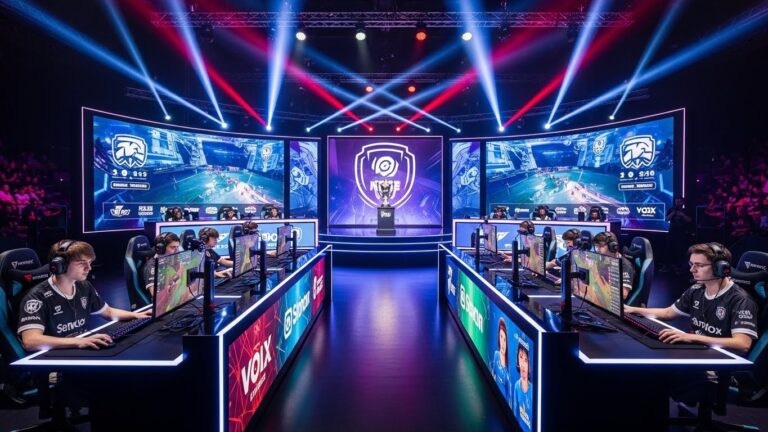
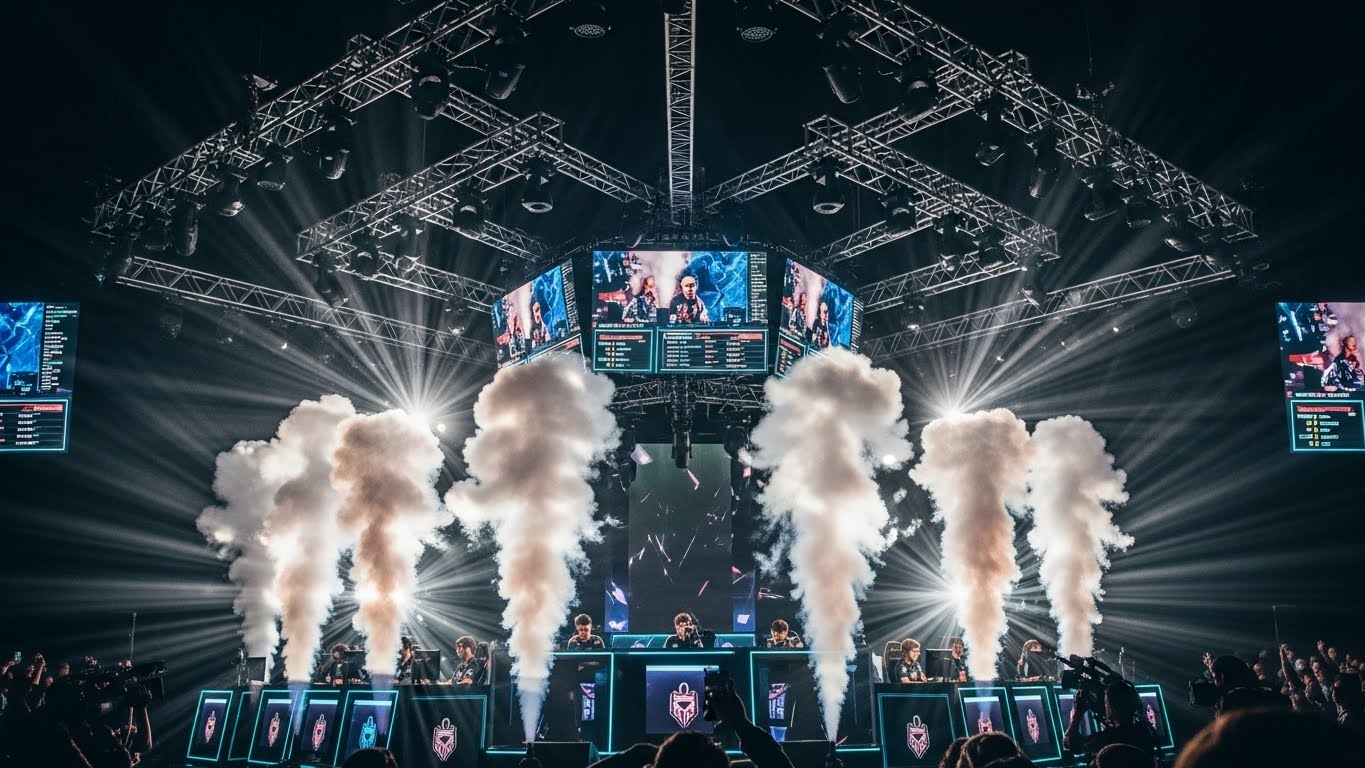
In the past decade, esports has emerged from the shadows of traditional gaming into a global entertainment powerhouse. What began as casual competition among friends or small local tournaments has now evolved into an industry worth billions of dollars. Esports is no longer merely a hobby; it is a highly organized form of competition involving professional players, teams, coaches, sponsors, and a massive international audience. This blog explores the rise of esports, its cultural significance, economic impact, challenges, and the future of competitive gaming.
The Origins of Competitive Gaming
The roots of esports can be traced back to the late 1970s and early 1980s, when arcade gaming became a cultural phenomenon. High-score competitions and local tournaments marked the first attempts at organized gaming contests. One of the earliest recorded events was the Space Invaders Championship held in 1980, which drew thousands of participants and demonstrated the potential for competitive gaming on a large scale.
With the rise of personal computers and home gaming consoles in the 1990s, competitive gaming became more accessible. Local area network tournaments allowed players to compete with each other in real-time, fostering the development of early esports communities. Games such as StarCraft, Quake, and Counter-Strike laid the foundation for skill-based competitive gaming, creating the first wave of professional players and teams.
The Professionalization of Esports
The early 2000s marked a turning point for competitive gaming as the industry began to professionalize. The advent of high-speed internet and online multiplayer games allowed players to compete globally, while live streaming technology enabled audiences to watch matches in real-time. This accessibility attracted sponsors and media attention, setting the stage for esports to become a legitimate career path.
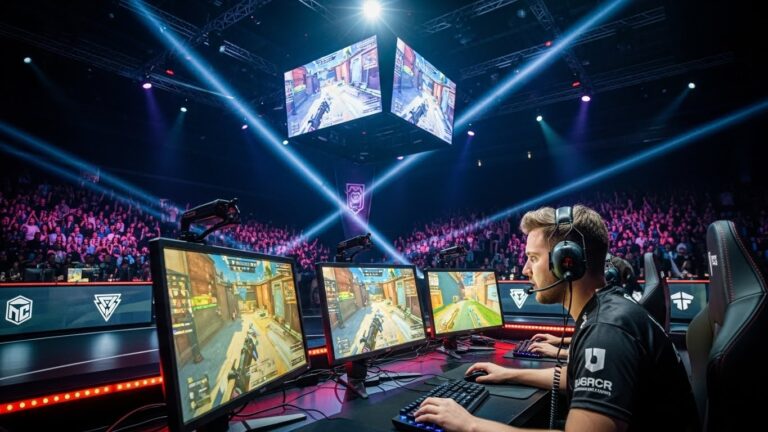
Today, esports organizations operate like professional sports franchises. Teams hire coaches, analysts, nutritionists, and mental performance specialists to ensure peak performance. Players adhere to strict training schedules, often practicing for several hours a day, reviewing gameplay footage, and developing strategies with their teammates. The scale of prize money in tournaments has grown dramatically, with some competitions offering millions of dollars to winners, rivaling the payouts of traditional sports.
Popular Esports Game Genres
Esports encompasses a wide variety of games, each with unique mechanics, strategies, and audiences. The diversity of game genres contributes to the broad appeal of competitive gaming.
Multiplayer Online Battle Arena (MOBA)
MOBA games like League of Legends and Dota 2 require players to demonstrate strategy, teamwork, and precise execution. Each team must control objectives, coordinate attacks, and adapt to opponents’ strategies, creating dynamic and engaging gameplay. These games are some of the most popular in esports due to their depth and complexity.
First-Person Shooters (FPS)
FPS titles such as Counter-Strike: Global Offensive and Call of Duty focus on precision, reflexes, and tactical awareness. Matches are fast-paced, with victory often determined by split-second decisions, making them highly engaging for both players and viewers.
Battle Royale Games
Battle royale games like Fortnite and PUBG emphasize survival, resource management, and adaptability. Players must navigate shrinking maps, collect resources, and outlast opponents to achieve victory, creating suspenseful gameplay experiences.
Sports and Racing Simulations
Games like FIFA, NBA 2K, and racing simulators replicate real-world sports in a digital environment. These games appeal to fans of traditional sports while introducing competitive strategies unique to their virtual formats.
Each genre fosters its own community and fan culture, contributing to the rich and varied landscape of esports.
The Impact of Streaming Platforms
The growth of esports is closely tied to the rise of streaming platforms. Platforms such as Twitch and YouTube Gaming allow millions of viewers to watch live tournaments, follow their favorite players, and interact in real-time through chat features.
Streaming has created a direct connection between players and fans, something traditional sports rarely offer. Professional players often stream their own gameplay, providing tutorials, commentary, and entertainment, which helps build personal brands and increase fan engagement. Streaming also provides opportunities for aspiring players to gain recognition and potentially be recruited by professional teams.
Esports Community and Culture
The culture surrounding esports is vibrant and inclusive, built around shared experiences and passion for gaming. Fans support their favorite teams and players, creating communities on social media, forums, and discussion platforms. The relationship between players and fans is interactive, fostering loyalty and engagement.
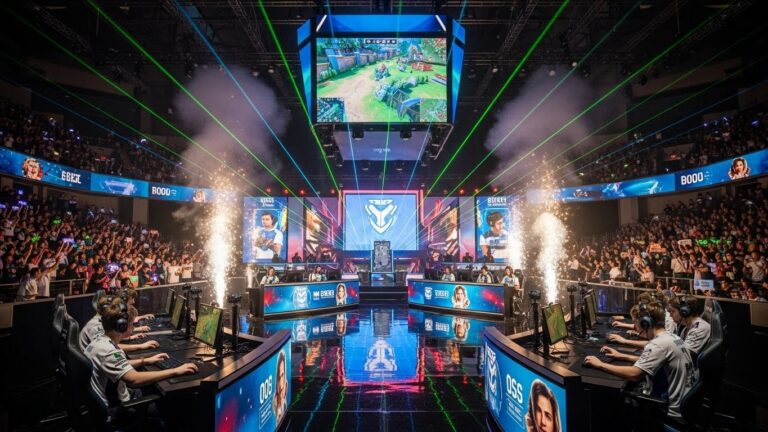
Esports events resemble festivals, featuring live music, cosplay, merchandise, and interactive experiences. These events not only celebrate competition but also serve as social gatherings for fans. Cosplay, fan art, and memes add a creative dimension to esports culture, blending entertainment and participation.
Inclusivity has become increasingly important in esports. Efforts to encourage diversity, including participation from women, minorities, and players from underrepresented regions, are reshaping the competitive landscape and fostering a more welcoming environment for all.
Esports as a Legitimate Athletic Endeavor
Esports players are athletes in their own right, demonstrating physical and mental discipline similar to traditional sports. Professional players engage in daily training routines that include strategy development, reaction time drills, and team coordination exercises. Mental endurance, focus, and the ability to perform under pressure are critical to success.
Physical fitness also plays a role. Many esports professionals maintain exercise routines to improve posture, reflexes, and overall health. Coaches, nutritionists, and mental performance specialists are integral to professional teams, ensuring players maintain peak performance during long tournaments.
Universities around the world now offer esports scholarships, further legitimizing the field as a recognized form of competition and opening new opportunities for student-athletes.
Economic Significance of Esports
Esports has grown into a multi-billion-dollar industry with significant economic impact. Revenue streams include sponsorships, merchandise, media rights, ticket sales, and in-game purchases. Major tournaments stimulate local economies by attracting tourism, creating temporary employment, and generating media attention.
The industry also provides careers beyond competitive play. Analysts, commentators, event managers, content creators, marketing professionals, and developers all play essential roles. The growth of esports has created a diverse ecosystem that supports both direct and indirect employment opportunities worldwide.
Challenges Facing the Industry
Despite its rapid growth, esports faces several challenges. Player burnout is a major concern due to intense training schedules and high-pressure competition. Maintaining physical and mental health is essential for longevity in a career that often starts at a young age.
Regulation and fair play are also critical issues. With multiple leagues and tournaments, establishing standardized rules is challenging. Cheating, match-fixing, and toxic behavior require constant monitoring and enforcement.
Financial sustainability is another challenge, particularly for smaller teams and emerging regions. Without consistent sponsorship or revenue streams, many organizations struggle to survive, highlighting the need for infrastructure and support to sustain long-term growth.
The Future of Esports
The future of esports is promising and filled with innovation. Emerging technologies like virtual reality, augmented reality, and artificial intelligence are likely to reshape competitive formats and training methods. Mobile gaming continues to expand accessibility, allowing players from developing regions to participate in global competitions.
Esports is increasingly gaining recognition in international sporting events, further solidifying its legitimacy. Educational institutions continue to integrate esports into academic programs, teaching teamwork, strategic thinking, and digital literacy.
As esports becomes more mainstream, it is poised to influence entertainment, technology, culture, and business, bridging communities and creating opportunities for individuals worldwide.
Conclusion
Esports has transformed from a niche hobby into a cultural and professional phenomenon. It represents a unique blend of competition, entertainment, technology, and community engagement. With professionalization, technological innovation, and growing global recognition, esports is redefining what it means to be an athlete and how audiences engage with competitive entertainment.
The rise of esports demonstrates the power of digital platforms to connect people, foster creativity, and create new opportunities on a global scale. As this industry continues to grow, it will leave an indelible mark on the future of sports, entertainment, and culture worldwide.
About the Author