Introduction: The Dawn of a Digital Sport
Esports, short for electronic sports, has evolved from a niche hobby into a global cultural phenomenon. What began as casual video gaming competitions has transformed into an industry worth billions, attracting professional players, dedicated fans, and corporate sponsorships. Esports tournaments now rival traditional sporting events in popularity, production quality, and financial rewards. This blog explores the rise of esports, its impact on culture and society, the challenges faced by players, and what the future holds for this rapidly growing sector.
The Origins of Esports
Competitive gaming is not a recent development. Its roots trace back to arcade competitions in the 1980s, with classic titles like Pac-Man and Space Invaders inspiring early tournaments. The 1990s saw the rise of multiplayer PC games such as Quake, StarCraft, and Counter-Strike, which fostered local and online competitive communities. Early esports competitions were often small-scale, informal events, but they laid the groundwork for the professional scene we see today.
With the growth of the internet and broadband connections in the early 2000s, global competition became possible. Players could now face opponents from across continents in real-time, giving rise to larger tournaments and professional leagues. The development of streaming platforms further accelerated esports’ popularity, making it accessible to a worldwide audience.
Popular Esports Games and Their Unique Appeal
Esports is a diverse ecosystem, with games spanning various genres, each demanding different skills and strategies. Multiplayer online battle arena games, or MOBAs, such as League of Legends and Dota 2, emphasize teamwork, strategy, and decision-making under pressure. First-person shooters like Counter-Strike: Global Offensive and Valorant focus on precision, reflexes, and tactical coordination. Battle royale titles like Fortnite and Apex Legends combine strategy, adaptability, and creativity, keeping matches unpredictable and engaging.
Each game builds its own community and culture. Fans are not just spectators but active participants, discussing strategies, analyzing plays, and celebrating favorite players. The diversity of esports titles ensures there is something for everyone, whether you are a casual fan, a hardcore gamer, or a budding professional.
The Business of Esports
Esports has transformed into a multi-billion-dollar industry driven by tournaments, sponsorships, advertising, and streaming revenue. Companies recognize the marketing potential of esports, targeting young, tech-savvy audiences through brand partnerships, team sponsorships, and product placements. Streaming platforms generate income through subscriptions, donations, and advertisements, while tournament organizers attract top players with substantial prize pools.
The professionalization of esports has also created career opportunities beyond playing competitively. Coaches, analysts, event organizers, commentators, and content creators all play essential roles in sustaining the industry. Universities have begun offering scholarships for esports athletes, legitimizing gaming as a viable career path. This professional structure mirrors traditional sports, further solidifying esports’ place in the global entertainment landscape.
The Global Community of Esports
One of esports’ most remarkable aspects is its ability to connect people across the world. Unlike traditional sports, esports can be played and watched online, allowing fans from different countries to interact, compete, and share experiences in real time. International tournaments showcase talent from diverse regions, promoting cultural exchange and global camaraderie.
Esports is also more inclusive than many traditional sports. Players of different ages, genders, and backgrounds can compete on equal footing, breaking down barriers and fostering diversity. The global community created by esports strengthens social bonds, creates networks of shared interests, and unites people through the universal language of gaming.
Mental and Physical Demands on Players
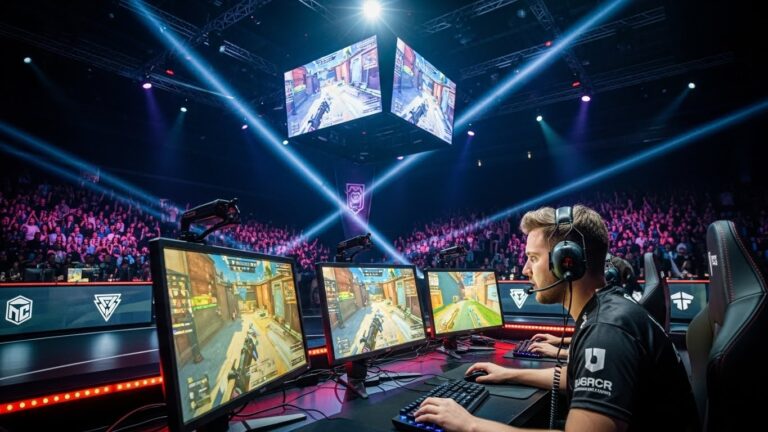
Professional esports may appear leisurely, but it demands immense skill, discipline, and mental fortitude. High-level play requires quick reflexes, sharp focus, strategic thinking, and effective communication. Players often train several hours a day to maintain peak performance, similar to traditional athletes.
Mental resilience is crucial. The pressures of public scrutiny, high-stakes competition, and rigorous schedules can lead to stress, anxiety, and burnout. Organizations increasingly emphasize mental health support, including counseling, structured routines, and wellness programs. Physical health is also essential, as players must maintain good posture, prevent repetitive strain injuries, and manage screen time effectively to sustain long-term performance.
Streaming and Content Creation: Expanding Esports’ Reach
Streaming platforms have revolutionized esports by connecting players directly with global audiences. Live broadcasts allow fans to watch competitions in real time, interact with players, and experience the excitement of professional gaming. Content creation, including tutorials, highlights, and behind-the-scenes videos, helps attract new audiences and keeps fans engaged.
Streamers have become influential figures, shaping gaming culture and community trends. They provide education, entertainment, and inspiration, bridging the gap between casual players and professional esports. The interactive nature of streaming strengthens fan engagement, creating a participatory culture that enhances the overall esports experience.
Tournaments: The Heart of Competitive Gaming
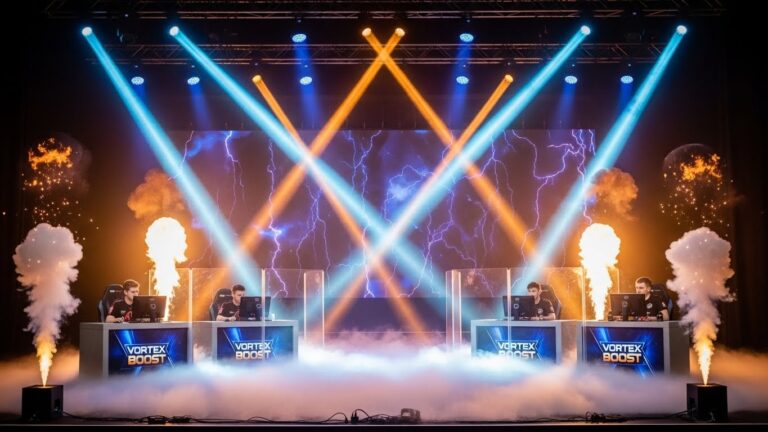
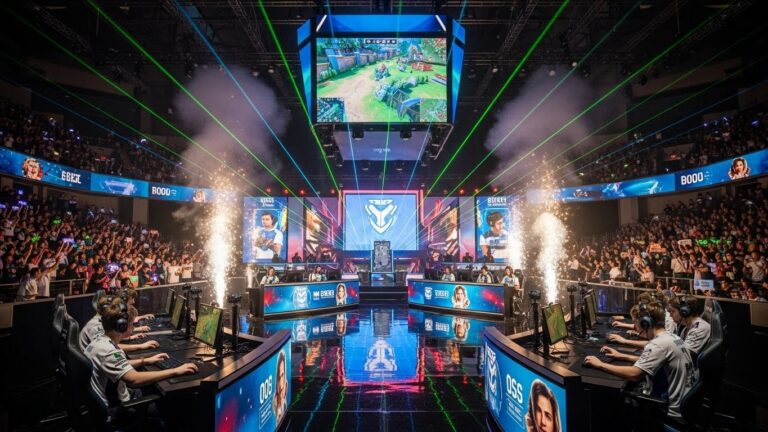
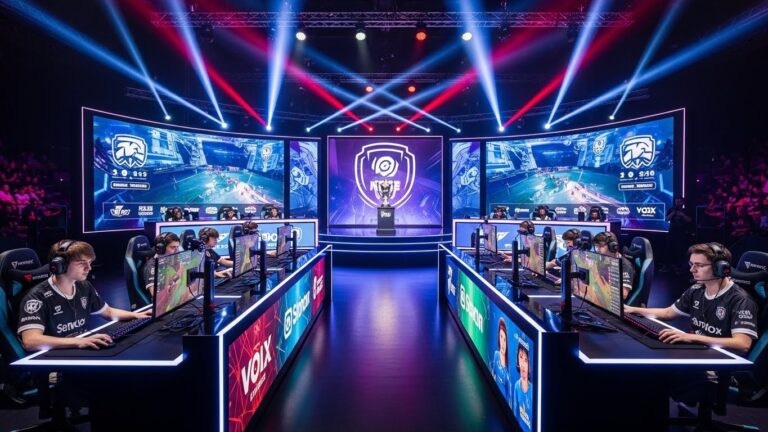
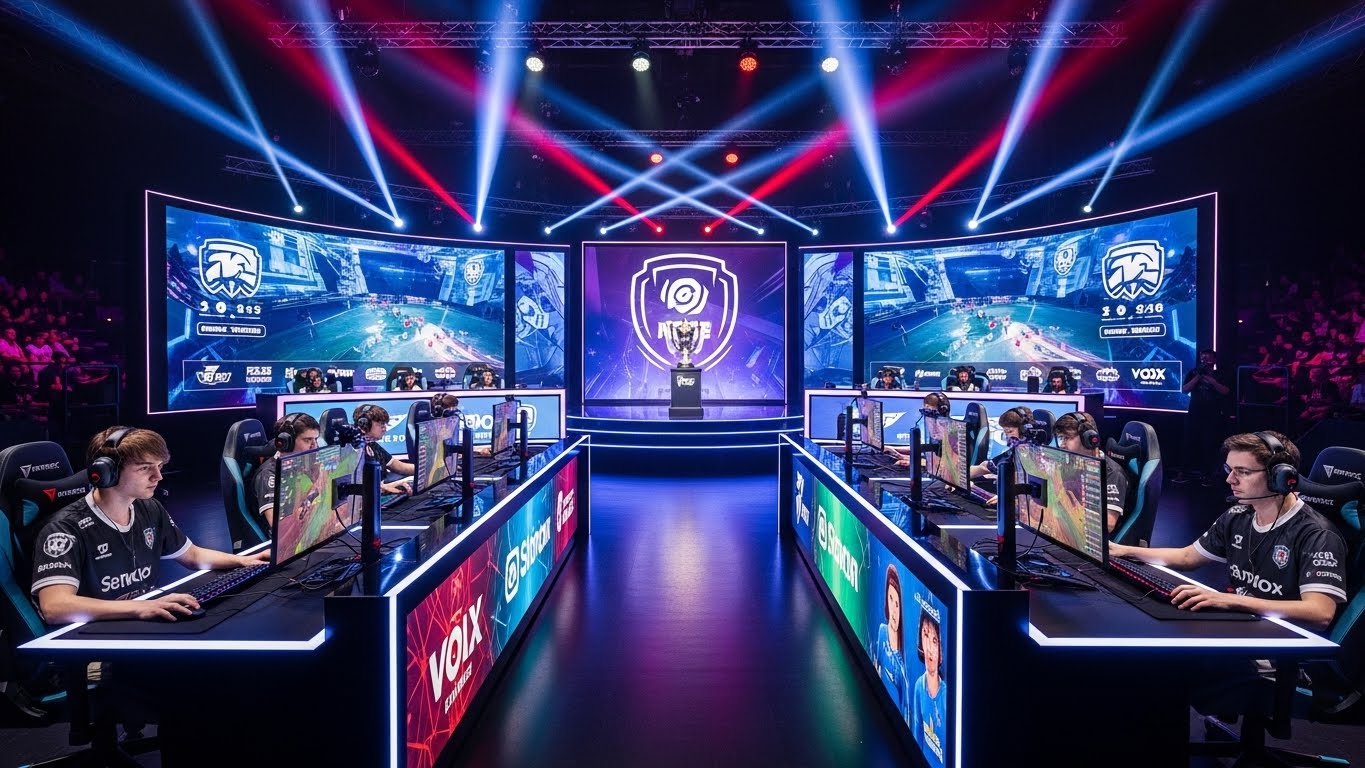
Tournaments are the centerpiece of esports, showcasing skill, strategy, and entertainment. Events such as the League of Legends World Championship, Dota 2’s International, and the Fortnite World Cup attract millions of viewers and offer prize pools in the millions of dollars. Tournaments are meticulously organized, with professional commentary, high-quality production, and engaging live broadcasts that rival traditional sports spectacles.
The excitement extends beyond gameplay. Cosplay, fan interactions, live performances, and community events create immersive experiences for spectators. Esports tournaments combine the intensity of competition with the spectacle of entertainment, offering fans an experience that is both thrilling and participatory.
Technological Innovations Driving Esports
Esports thrives on technological advancements that enhance both gameplay and viewing experiences. High-performance gaming hardware, low-latency networks, and professional peripherals ensure fair competition. Emerging technologies like virtual reality and augmented reality are beginning to influence esports, offering new gameplay mechanics and immersive experiences.
Data analytics and artificial intelligence tools help teams analyze strategies, optimize performance, and make data-driven decisions. On the spectator side, interactive features such as multiple camera angles, real-time statistics, and live commentary make viewing more engaging. Technology continues to push the boundaries of esports, transforming it into a dynamic, multi-dimensional experience.
Esports and Traditional Sports Integration
The lines between esports and traditional sports are increasingly blurred. Professional sports organizations are investing in esports teams, while traditional athletes explore competitive gaming. Hybrid events, virtual stadiums, and online leagues highlight the intersection of physical and digital sports.
This integration validates esports as a legitimate form of competition. Skills such as teamwork, strategy, and mental fortitude are as essential in esports as they are in traditional sports. By bridging these worlds, esports fosters innovation, expands audiences, and offers new opportunities for athletes, fans, and brands alike.
The Future of Esports
Esports is poised for continued growth and transformation. Advancements in technology, including AI-driven training, virtual tournaments, and enhanced streaming capabilities, will redefine competitive possibilities. Greater recognition from educational institutions, corporations, and media will further solidify esports as a mainstream cultural phenomenon.
Challenges such as player well-being, industry regulation, and sustainable growth remain, but the overall trajectory is positive. Esports is not just a trend; it is a permanent fixture in entertainment, sports, and global culture. As it evolves, it will continue to influence technology, media, and social interaction in profound ways.
Conclusion: More Than Just a Game
Esports has evolved from a casual pastime into a global industry with cultural, economic, and social significance. It has demonstrated that competitive gaming requires skill, strategy, and dedication comparable to traditional sports. The global community, professional opportunities, technological innovations, and immersive entertainment experiences have solidified esports’ place in the modern world.
As esports continues to grow, it offers not only entertainment but also inspiration, connection, and opportunity. Whether you are a player, a fan, or a professional within the industry, esports represents a transformative force that is shaping the future of entertainment. It is a world where passion meets precision, strategy meets spectacle, and digital competition becomes a global phenomenon.
About the Author