
Introduction: A New Era of Digital Sports
In recent years, esports has emerged from the fringes of the gaming community to become a global powerhouse in the entertainment industry. Once seen as a niche hobby, competitive video gaming has exploded in popularity, drawing millions of fans, players, and investors worldwide. From local tournaments to international championships, esports has become a legitimate sport in its own right, with its own set of rules, professional players, and massive audiences. But what is it about esports that has captivated so many, and how did it grow to dominate the entertainment world? This blog post explores the evolution of esports, its global impact, and why it is here to stay.
The Early Days of Esports: From Basement Competitions to Global Events
Esports is not a new phenomenon. In fact, competitive gaming dates back to the early days of video games in the 1970s and 1980s. One of the first notable esports events was the 1972 “Intergalactic Spacewar Olympics,” which took place at Stanford University. While this event was small in scale, it marked the beginning of competitive gaming.
As technology advanced, so did the scope of competitive gaming. The late 1990s and early 2000s saw the rise of games like StarCraft, Quake, and Counter-Strike, which laid the foundation for modern esports. These games attracted players from around the world, and small-scale tournaments began to take place in various regions. The advent of high-speed internet allowed players to compete online, making global competitions possible.
However, esports didn’t truly reach its current level of prominence until the late 2000s. The creation of professional leagues, live-streaming platforms like Twitch, and the growth of social media gave esports a platform to reach a global audience. Major games such as League of Legends, Dota 2, and Overwatch became household names, and large-scale tournaments with multimillion-dollar prize pools began to take center stage.
The Competitive Landscape of Esports: Games That Define the Industry
Today, esports is a vast and diverse ecosystem, with multiple genres of games driving different competitive scenes. From first-person shooters (FPS) to multiplayer online battle arenas (MOBAs), and real-time strategy games (RTS), each genre attracts a specific type of player and audience. Some of the most popular esports titles include:
First-Person Shooters (FPS)
Games like Counter-Strike: Global Offensive, Call of Duty, and Overwatch represent the FPS genre, where players battle it out in fast-paced, tactical environments. These games emphasize quick reflexes, teamwork, and communication, and are often seen in large tournaments such as ESL One and the Call of Duty League.
Multiplayer Online Battle Arenas (MOBA)
League of Legends and Dota 2 are perhaps the most famous examples of MOBA games, where players control a single character and work together in teams to defeat their opponents. These games are known for their complex strategies, deep gameplay mechanics, and large, dedicated fanbases. The League of Legends World Championship is one of the largest annual esports events, drawing millions of viewers worldwide.
Real-Time Strategy (RTS)
Games like StarCraft II fall into the RTS category, where players must gather resources, build armies, and outmaneuver opponents in a real-time environment. While not as mainstream as MOBAs or FPS games, RTS titles have a dedicated competitive scene and have produced iconic players.
Sports Simulations
Esports isn’t limited to just virtual combat. Sports simulation games such as FIFA and NBA 2K have also carved out their own niche in the competitive scene. These games replicate real-world sports, and their competitive leagues attract fans who enjoy both traditional sports and gaming.
Esports and its Global Audience: A New Form of Entertainment
What sets esports apart from traditional sports is its global reach. With the ability to stream tournaments live on platforms like Twitch, YouTube Gaming, and Facebook Gaming, esports has created a global community that transcends geographical boundaries. Fans can watch high-level play from professional gamers across the world, no matter where they live. Major tournaments are broadcast live, attracting millions of viewers, sometimes even outpacing traditional sports in terms of viewership.
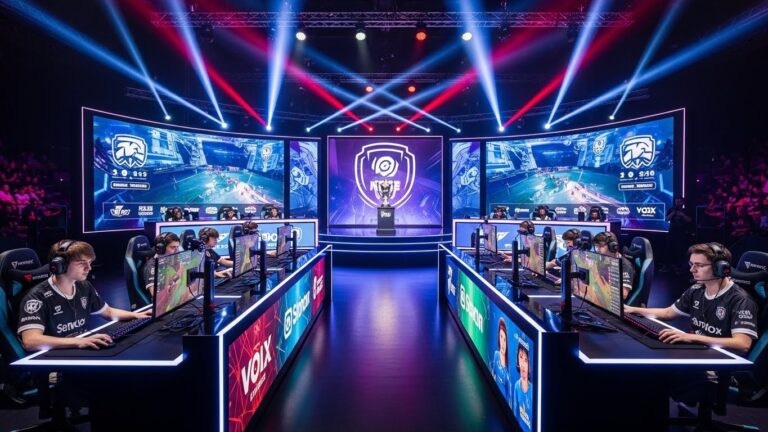
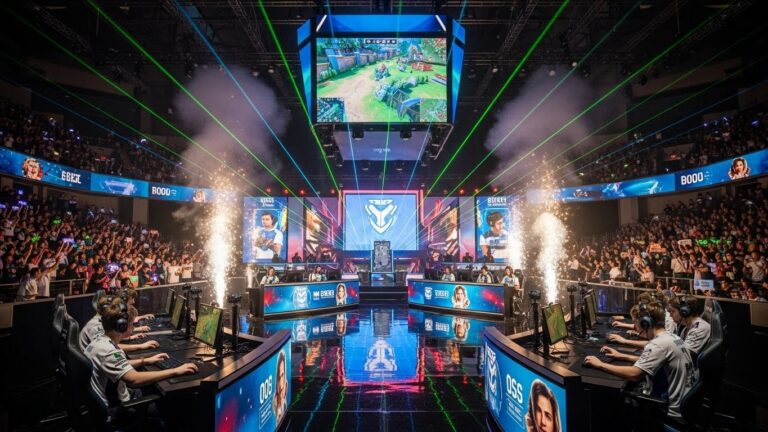
Esports events are not just about the game; they are large-scale entertainment spectacles. The League of Legends World Championship, for example, is held in massive arenas, with professional teams competing for multimillion-dollar prize pools. These events often feature musical performances, celebrity appearances, and high-production values, transforming esports into a multi-faceted entertainment experience.
What’s more, the rise of social media and content creation has made it easier for fans to connect with their favorite players and teams. Streaming platforms, YouTube, and Twitter provide behind-the-scenes access, live chats, and fan engagement opportunities. This sense of connection creates a loyal and engaged fanbase that is passionate about the players, teams, and games they support.
The Business of Esports: An Industry on the Rise
Esports has become a multimillion-dollar industry, attracting major investment from both inside and outside the gaming world. Traditional sports teams, entertainment companies, and tech giants are investing heavily in esports, seeing it as a lucrative market that appeals to younger, tech-savvy consumers. Companies like Nike, Adidas, Intel, and Coca-Cola are all sponsoring teams, tournaments, and gaming events, with some even creating their own esports leagues.
The revenue generated by esports comes from various sources, including:
- Sponsorships and Partnerships: Esports organizations and teams receive significant funding from corporate sponsors who want to tap into the lucrative gaming market. These sponsors provide financial support in exchange for brand visibility during tournaments, broadcasts, and team promotions.
- Advertising and Media Rights: Just like traditional sports, esports events generate income through advertisements and media rights. Companies pay for the right to broadcast esports tournaments, and advertisers pay to have their products showcased during events.
- Merchandising: Teams and esports organizations sell branded merchandise like jerseys, hats, and other fan gear. This is a major source of income for many esports organizations, with fans eager to show support for their favorite teams and players.
- Ticket Sales: While much of esports is streamed online, live events still draw large crowds. Fans pay for tickets to attend esports tournaments, where they can watch the action in person and experience the electrifying atmosphere.
The Rise of Professional Esports Players
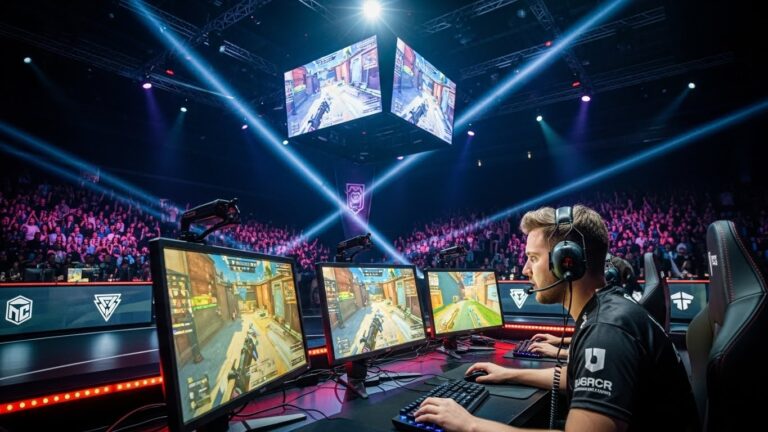
Being a professional esports player is no longer just about being good at a game—it’s a full-time career that requires dedication, strategy, and, most importantly, mental and physical fitness. Professional gamers often train for hours each day, scrimmaging against other top players, analyzing gameplay footage, and refining their strategies. This commitment to excellence has helped turn esports players into celebrities in their own right.
Much like traditional athletes, esports players have agents, sponsors, and teams that manage their careers. They sign contracts, negotiate salaries, and participate in media interviews. Some of the biggest names in esports, like Faker (League of Legends), Ninja (Fortnite), and s1mple (Counter-Strike: Global Offensive), have amassed millions of followers and built personal brands beyond gaming.
The life of a professional gamer is not without its challenges. Long hours of practice, high expectations, and the pressure to perform can lead to burnout. As the industry matures, there is growing recognition of the need for player health and mental wellness programs to ensure the long-term success of players and the sustainability of esports as a career.
Esports in Education: Opening New Doors for Students
Esports has also found its way into educational institutions. Many universities and colleges now offer esports scholarships, recognizing the potential of competitive gaming as a legitimate skill. In some cases, schools have created dedicated esports programs that offer students the opportunity to pursue careers in gaming, whether as players, coaches, analysts, or content creators.
Esports programs at universities often include game design courses, broadcasting, marketing, and event management, giving students the chance to learn about the many aspects of the esports ecosystem. These programs provide students with valuable experience, making them highly competitive in the rapidly growing esports job market.
The Future of Esports: What Lies Ahead?
As esports continues to grow, it is poised to become an even more significant part of the global entertainment landscape. Emerging technologies, such as virtual reality (VR) and augmented reality (AR), could transform how esports is experienced, making it more immersive and interactive for both players and spectators. The integration of AI and machine learning could also revolutionize player training, analysis, and strategy development.
Esports is also likely to see further mainstream adoption, with more traditional sports organizations, broadcasters, and investors entering the scene. In the coming years, it is not inconceivable to imagine esports as a key feature of major sporting events like the Olympic Games, with national teams competing for gold medals in competitive gaming.
Conclusion: The Dawn of a New Era in Sports Entertainment
Esports has come a long way since its humble beginnings. From small competitions in basements and internet cafes to massive global events with millions of viewers, esports has transformed into a legitimate and thriving industry. With its rapid growth, global reach, and diverse fanbase, esports is not just a passing trend—it’s the future of entertainment.
About the Author