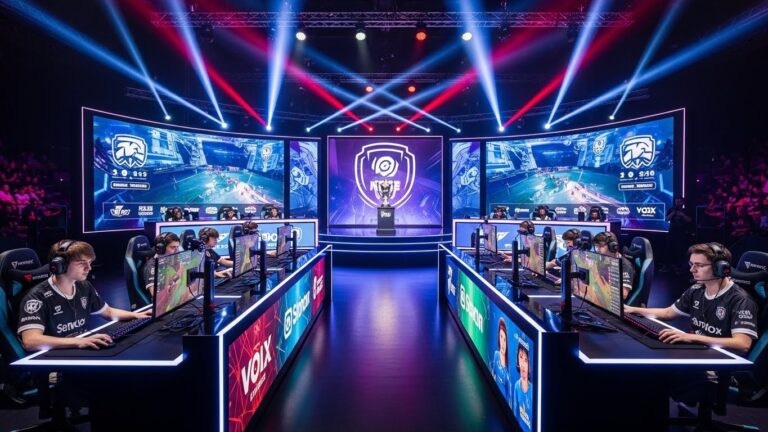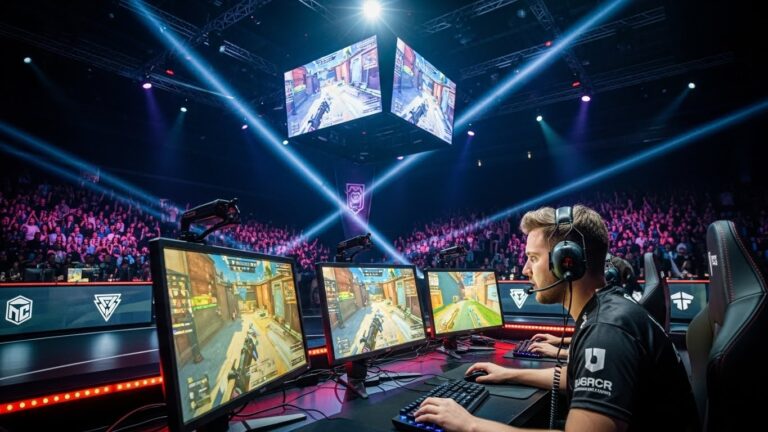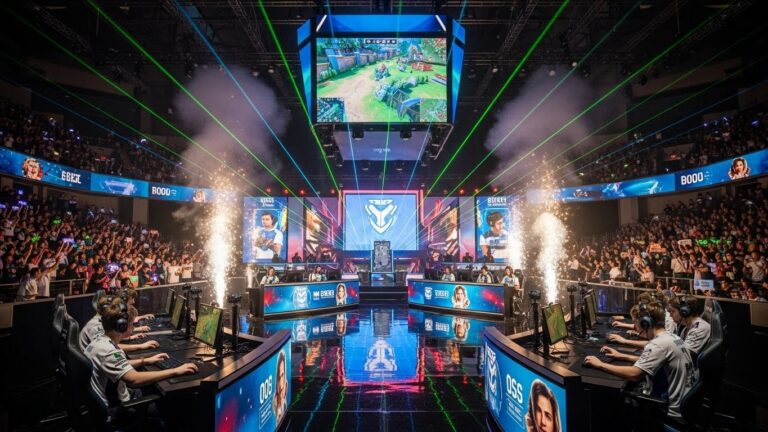
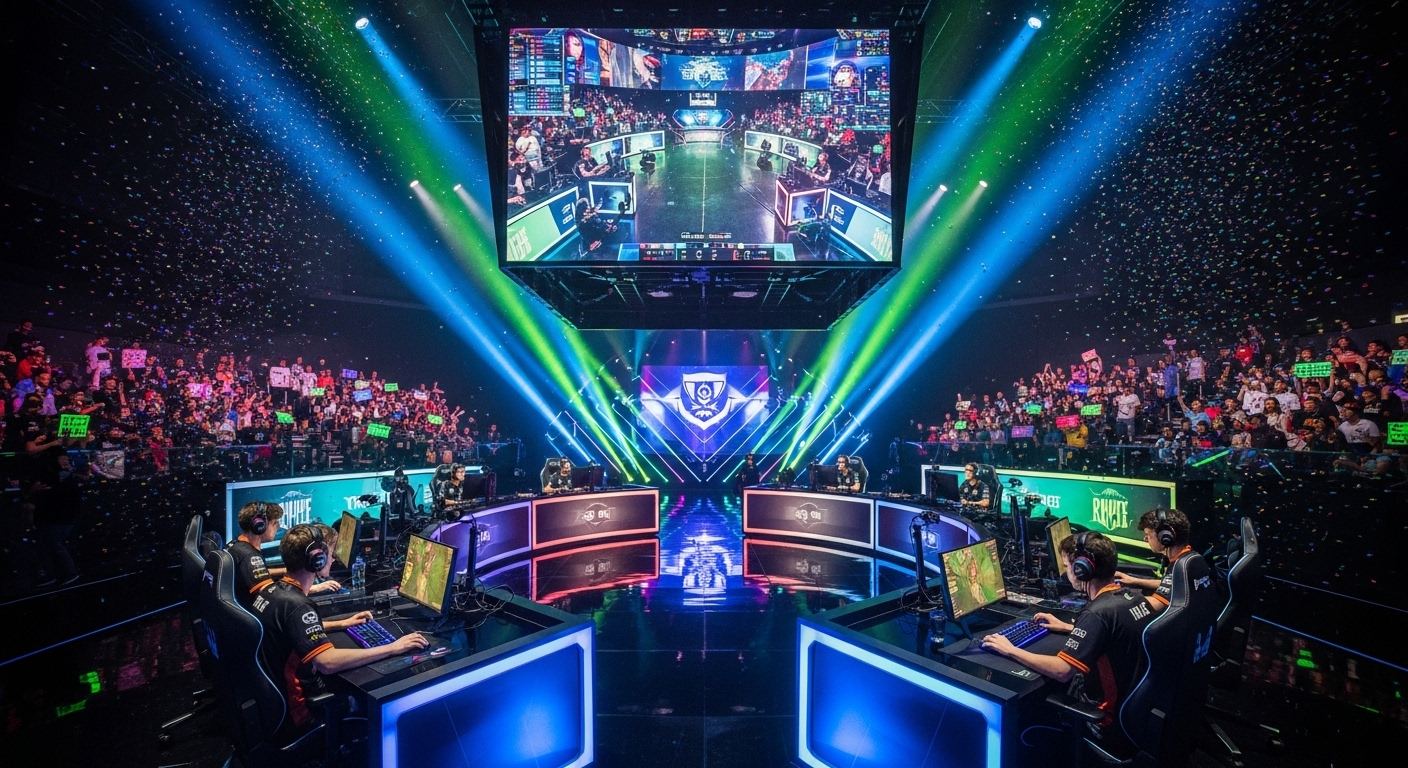
Esports, once a niche activity enjoyed by a small group of dedicated gamers, has rapidly become a global phenomenon. With millions of players, fans, and viewers worldwide, competitive gaming is now recognized as a legitimate form of entertainment, with its own professional leagues, sponsorships, and even scholarship opportunities. In this blog post, we’ll explore the evolution of esports, the factors driving its massive growth, the most popular games, and what the future holds for the competitive gaming industry.
1. The Origins of Esports: Humble Beginnings
While competitive gaming is a modern-day phenomenon, the roots of esports can be traced back to the early days of video gaming. The first known video game competition took place in 1972 at Stanford University, where students competed in a game called Spacewar. This event, though small and informal, marked the first step toward organized competitive gaming.
Throughout the late 1970s and 1980s, arcade games like Pac-Man and Donkey Kong introduced the concept of high scores, encouraging players to compete for the top spot on the leaderboards. These early competitions were generally localized, taking place in arcades or between friends, but they laid the groundwork for the future of esports.
It wasn’t until the late 1990s that competitive gaming began to take on a more organized form. The release of games like Quake and StarCraft helped popularize online multiplayer gaming, allowing players from across the globe to compete against each other. Red Annihilation, a Quake tournament in 1997, is often considered one of the first major esports events, attracting hundreds of players and even offering a Ferrari as a prize.
2. The Growth of Esports in the 2000s
The 2000s were a pivotal decade for esports. The rise of broadband internet and online multiplayer games like Warcraft III and Counter-Strike brought together players from all over the world in ways that were previously unimaginable. Online platforms like Battle.net and GameSpy provided the infrastructure for global multiplayer gaming, creating opportunities for competitive play on a larger scale.
One of the most significant moments in esports history occurred in 2002 when the Electronic Sports League (ESL) was founded in Europe. The ESL quickly became one of the largest and most influential esports organizations, hosting tournaments for a variety of games. Around the same time, Major League Gaming (MLG) was established in the United States, bringing together top players to compete in popular titles like Halo 2 and Call of Duty.
Esports was also gaining mainstream attention thanks to the growing popularity of streaming platforms like Twitch, which launched in 2011. Twitch allowed gamers to broadcast their gameplay to a global audience, making it easier for fans to watch their favorite players and teams in action. This marked the beginning of the professional esports scene, where players could earn money not just from tournament winnings, but also through sponsorships, advertising, and donations from fans.
3. The Explosion of Esports in the 2010s
The 2010s marked a period of exponential growth for esports. As streaming platforms like Twitch grew in popularity, so did the exposure of esports tournaments. The “League of Legends” World Championship, held annually since 2011, became one of the most-watched events in the world, rivaling traditional sports in viewership. In fact, the 2018 League of Legends World Championship attracted over 200 million unique viewers, a staggering number that demonstrated the growing mainstream appeal of esports.
At the same time, the financial backing of esports events increased dramatically. Big-name sponsors like Coca-Cola, Intel, and Red Bull began investing in esports, recognizing the potential of this growing industry. Esports organizations, such as Team Liquid, Cloud9, and Fnatic, signed professional players to multi-million-dollar contracts, further legitimizing the competitive gaming scene.
The rise of games like Dota 2, Overwatch, Fortnite, and Counter-Strike: Global Offensive (CS: GO) contributed to the growing popularity of esports. These titles not only attracted huge player bases but also offered large prize pools that drew the attention of professional players. The International, an annual Dota 2 tournament, became one of the biggest esports events in the world, with prize pools regularly exceeding $30 million. The massive financial rewards associated with top-tier esports tournaments helped attract a new generation of players who hoped to make a career out of gaming.
4. Popular Esports Titles: Defining the Competitive Scene
Esports encompasses a wide range of game genres, from first-person shooters (FPS) to multiplayer online battle arena (MOBA) games. Some games, however, have become icons in the competitive gaming world, helping to define the esports ecosystem.
League of Legends (LoL)
Released in 2009 by Riot Games, League of Legends (LoL) is perhaps the most influential esports title of all time. The game, a MOBA, features two teams of five players who battle it out to destroy the enemy team’s Nexus, located at the heart of their base. LoL’s accessibility, strategic depth, and fast-paced action have made it a favorite among both casual and professional players. The League of Legends World Championship, held every year, draws millions of viewers and features a multi-million-dollar prize pool.
Dota 2
Dota 2, developed by Valve, is another titan of the esports world. The game is similar to LoL in that it is a MOBA, but it features deeper strategic elements, more complex gameplay, and a steeper learning curve. Dota 2 is known for its massive prize pools, especially at its premier event, The International, which has consistently broken records for esports prize money. The game has become a global phenomenon, attracting top players and fans from all over the world.
Counter-Strike: Global Offensive (CS: GO)
Counter-Strike: Global Offensive is one of the oldest and most popular first-person shooters in esports history. Released in 2012 by Valve, CS: GO focuses on team-based tactical gameplay, where players assume the roles of either terrorists or counter-terrorists. The game’s simple mechanics, coupled with its high skill ceiling, make it a staple in esports tournaments. The CS: GO Major Championships, one of the game’s most prestigious tournaments, regularly attracts huge prize pools and top-tier competition.
Overwatch
Released by Blizzard in 2016, Overwatch introduced a unique twist to the first-person shooter genre by incorporating elements of team-based strategy and hero abilities. The game quickly gained traction in the competitive gaming scene, with Blizzard launching the Overwatch League (OWL) in 2018. The OWL, which features city-based teams and a traditional sports league format, has helped Overwatch become a major player in the esports world.
Fortnite
Since its release in 2017, Fortnite has become a cultural phenomenon. The game’s battle royale mode, where 100 players fight to be the last one standing, took the gaming world by storm. Fortnite is not only a massive success in terms of gameplay, but also in its competitive scene. The Fortnite World Cup held in 2019, offered a $30 million prize pool, making it one of the richest esports events in history. The game’s accessibility, cross-platform play, and frequent in-game events have kept it at the forefront of competitive gaming.
5. The Esports Industry: A Multi-Billion Dollar Ecosystem
The rise of esports has created an entire ecosystem that extends far beyond the games themselves. The esports industry now encompasses a range of elements, including professional leagues, team organizations, streaming platforms, sponsorships, and merchandise.
Esports Teams and Organizations
Professional esports teams are the backbone of the competitive gaming scene. These organizations sign players, provide them with coaching and support, and help manage their public image. Some of the most successful and recognized esports organizations include Team Liquid, TSM, Cloud9, and Fnatic. These teams often compete across multiple games, sign endorsement deals with major brands, and engage with their fanbases through social media and live streams.
Sponsorships and Partnerships
Sponsorships have become a crucial part of the esports business model. Major brands like Intel, Coca-Cola, Red Bull, and Nike have recognized the massive potential of esports and partnered with top teams and tournaments. These sponsorships not only help fund tournaments but also provide a steady stream of revenue for teams and players. As esports continues to grow, expect more traditional sports brands and global companies to invest in the industry.
Esports Streaming
Streaming platforms like Twitch, YouTube Gaming, and Facebook Gaming have revolutionized how fans interact with esports. These platforms allow fans to watch live gameplay, interact with players, and become a part of the gaming community. Esports broadcasting has become a professional industry, with experienced casters and analysts providing commentary during tournaments. Major tournaments are often broadcasted live on these platforms, attracting millions of viewers and generating significant ad revenue.
6. The Future of Esports: Where Are We Heading?
As esports continues to grow, it is becoming increasingly integrated into the mainstream entertainment landscape. Here are a few trends that will likely shape the future of esports:
Increased Recognition as a Sport
Esports is gradually gaining recognition as a legitimate sport. In some countries, esports is already included in school curricula, and universities are offering scholarships to esports athletes. Esports is also being considered for inclusion in the Olympics, which would be a significant step toward mainstream acceptance.
About the Author