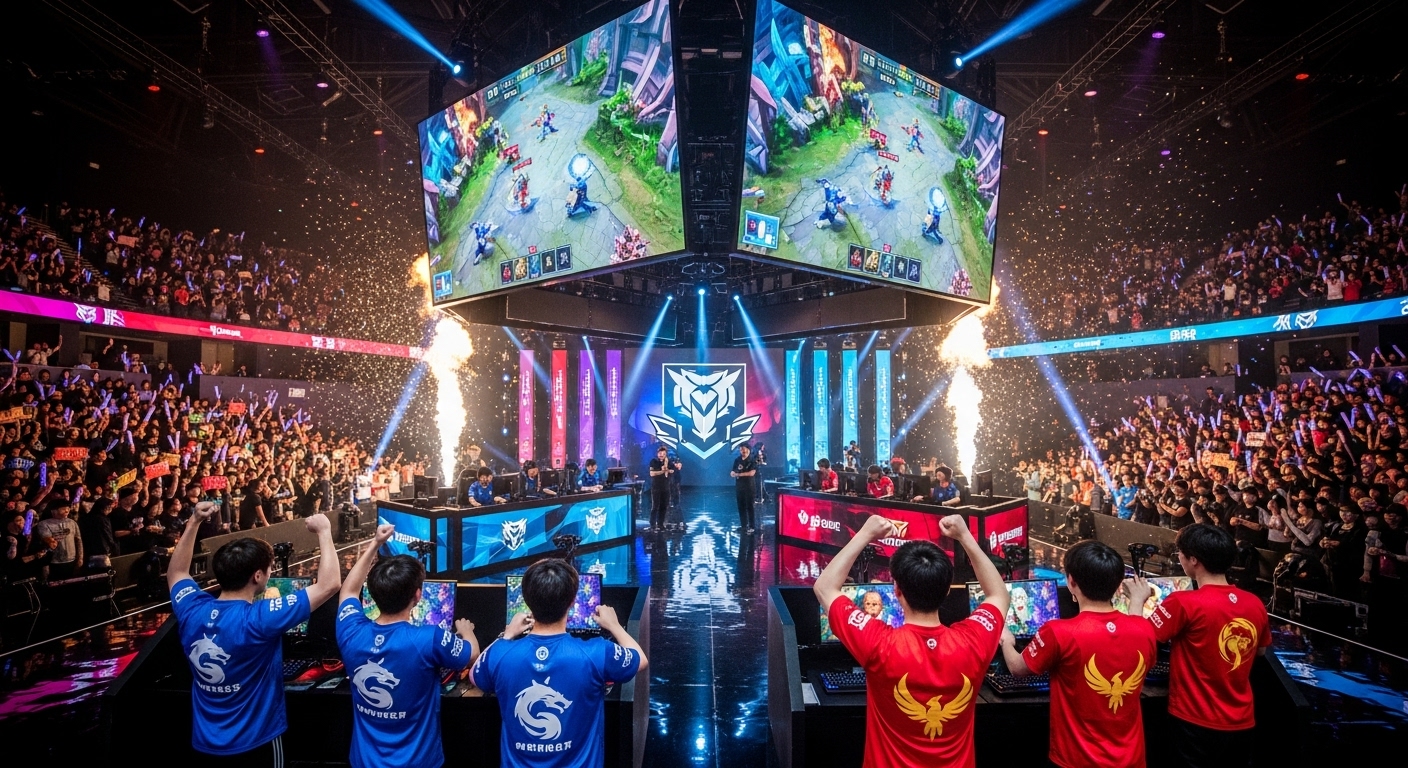
Introduction: The Digital Revolution of Competition
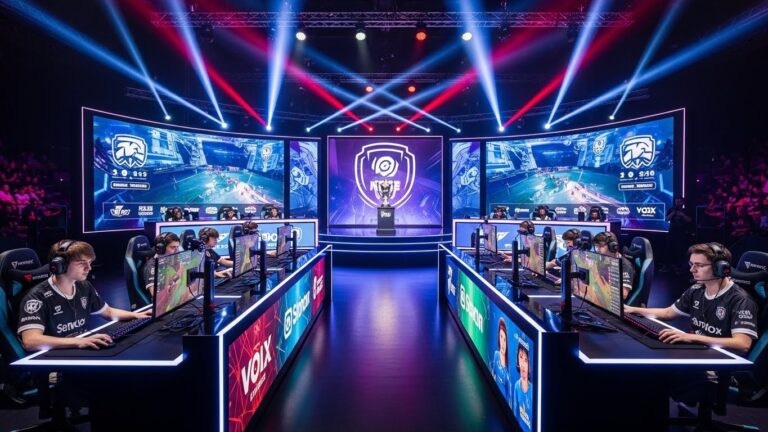
In the past two decades, esports has emerged from the fringes of the gaming world to become a mainstream global phenomenon. Unlike traditional sports, esports thrives on mental agility, strategy, and teamwork rather than physical endurance. What began as small gaming tournaments in arcades and living rooms has now evolved into a professional industry with leagues, international competitions, and millions of spectators worldwide. Competitive gaming is no longer just a hobby—it is a cultural movement, an economic driver, and a platform for talent and innovation. This blog explores the multifaceted impact of esports, from personal development to societal influence.
The Origins and Evolution of Esports
Esports has its roots in the early days of video gaming. The 1970s and 1980s saw arcade games like Pong, Space Invaders, and Pac-Man attracting competitive players who challenged one another for high scores. The 1990s brought personal computers and the internet, enabling multiplayer games like StarCraft, Quake, and Counter-Strike. These titles demanded strategic thinking, teamwork, and quick reflexes, laying the foundation for organized competitive gaming.
The 2000s marked a turning point. Online streaming platforms and organized leagues allowed players to compete professionally, and tournaments started attracting audiences comparable to traditional sports events. Today, titles like League of Legends, Dota 2, Fortnite, and Call of Duty dominate the esports landscape. Global tournaments draw millions of viewers, and prize pools often reach millions of dollars, signaling esports’ rise as a legitimate professional and entertainment industry.
Esports as a Professional Career
Esports is no longer just a pastime; it is a viable career path. Professional players dedicate countless hours to perfecting skills, developing strategies, and maintaining mental and physical fitness. Success in competitive gaming can lead to salaries, sponsorships, streaming revenue, and tournament prize money, rivaling earnings in traditional sports.
Beyond players, the esports ecosystem includes coaches, analysts, commentators, event organizers, and content creators. These roles provide opportunities for career growth and innovation within the industry. Esports has created a new professional landscape where passion meets opportunity, giving young people a pathway to turn gaming into a sustainable career.
Cognitive and Mental Benefits of Esports
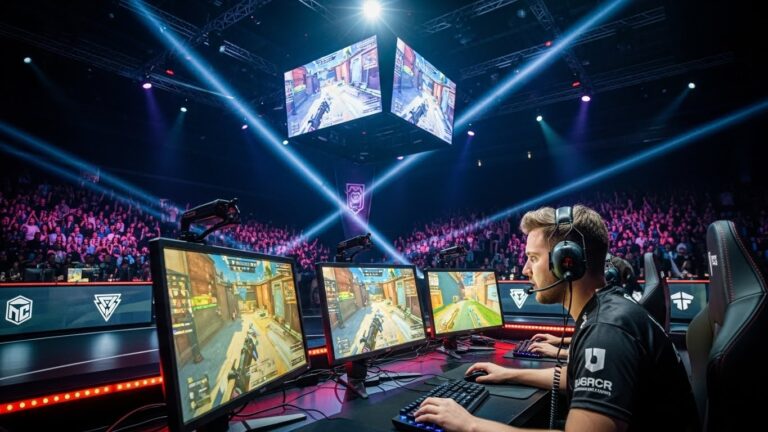
Contrary to misconceptions, esports offers several cognitive benefits. Competitive gaming requires critical thinking, strategic planning, and quick decision-making under pressure. Players must analyze opponents’ behavior, adapt strategies in real time, and manage resources efficiently, enhancing problem-solving abilities and mental agility.
Esports also fosters resilience. Players face setbacks, losses, and high-pressure situations, learning to manage frustration, remain focused, and recover quickly. This mental discipline and perseverance often extend beyond gaming, benefiting education, work, and personal development.
Physical Health and Esports
Although esports is primarily digital, physical health plays a critical role in player performance. Professional esports teams now emphasize exercise, nutrition, and ergonomics to enhance reflexes, stamina, and mental clarity. Stretching, posture training, and eye-care routines help prevent repetitive strain injuries, fatigue, and long-term health issues.
Maintaining physical health also improves focus and reaction time, enabling players to perform consistently during extended competitions. Balancing gaming with physical activity ensures that esports careers are sustainable and that players can maintain peak performance over time.
Teamwork and Communication in Esports
Many esports titles are team-based, requiring seamless coordination, communication, and trust. Players must understand their roles, support teammates, and execute strategies under high pressure. This environment teaches collaboration, leadership, and interpersonal skills, which are valuable beyond the gaming world.
Even in individual games, players often work with coaches, analysts, and support staff. These collaborative networks foster accountability, constructive feedback, and teamwork. Esports provides a unique platform where digital teamwork develops skills directly applicable to real-life challenges.
Community and Social Impact
One of the defining aspects of esports is its ability to build global communities. Streaming platforms, social media, and online forums allow fans and players to interact, share strategies, and celebrate victories. Esports communities transcend geography, culture, and language, creating a global network united by shared passion.
Local gaming clubs, university teams, and online leagues foster mentorship and social connections. For many, esports provides a sense of belonging and identity, reinforcing the idea that competitive gaming is not just a hobby but a social and cultural phenomenon.
Entertainment Value of Esports
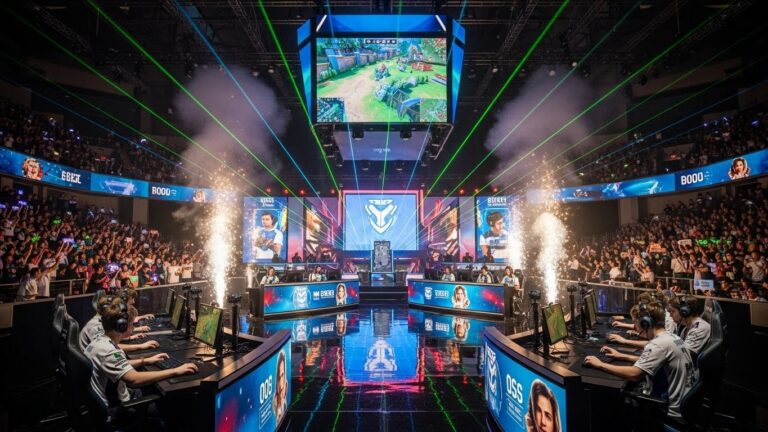
Esports has evolved into a major entertainment industry. Live-streamed tournaments feature professional commentary, analysis, and high-quality production, creating immersive experiences for viewers. The excitement, tension, and thrill of esports competitions rival those of traditional sports.
The cultural influence of esports extends to fashion, merchandise, digital content, and media. Players become influencers, shaping trends and inspiring millions worldwide. Esports entertainment goes beyond watching games—it is about engaging with a community, celebrating skill, and participating in a global cultural movement.
Economic Significance of Esports
Esports has become a powerful economic driver. Revenue streams include sponsorships, media rights, advertising, merchandise, and ticket sales. Major corporations invest heavily in teams, leagues, and tournaments to reach a highly engaged audience.
Local economies benefit as well. Hosting esports tournaments boosts tourism, hospitality, and retail industries. The industry also generates employment opportunities in coaching, content creation, production, and technology development. The economic impact of esports demonstrates that it is more than a recreational activity—it is a significant contributor to the global economy.
Technology and Innovation in Esports
Technology is at the heart of esports. High-performance gaming equipment, ultra-fast internet connections, and advanced analytics tools enable competitive play at the highest levels. Data-driven coaching, AI performance analysis, and strategy simulations give players an edge in refining their skills.
Broadcasting technology enhances viewer engagement with interactive streams, real-time statistics, and multiple camera angles. Emerging technologies such as virtual reality and augmented reality promise to transform esports further, creating new ways for audiences to experience and participate in competitions.
Esports in Education
Educational institutions are embracing esports as a tool for learning and development. Schools and universities offer esports programs, scholarships, and competitive leagues. Students gain teamwork, leadership, and strategic thinking skills while also improving digital literacy and problem-solving abilities.
Esports education introduces students to careers in game development, content creation, broadcasting, and analytics. By integrating esports into learning environments, schools provide pathways for students to combine passion with practical skills and professional opportunities.
Inclusivity and Diversity
Esports is more inclusive than many traditional sports. Physical attributes are less critical, allowing individuals of all abilities to compete. Women’s esports leagues, adaptive gaming programs, and international competitions promote equality and broaden access to competitive play.
Increased representation strengthens the community, inspires future players, and challenges stereotypes. Esports encourages diversity and fosters an environment where talent, skill, and strategic thinking are the primary determinants of success.
Global Reach and Cultural Impact
Esports is a global phenomenon, with professional players, teams, and fans spanning continents. International tournaments unite millions of spectators, creating shared cultural experiences and fostering cross-cultural understanding.
Players and audiences connect across borders, exchanging ideas, strategies, and support. Esports has become a universal language that transcends geography and culture, bringing people together through shared passion and competition.
Challenges in Esports
Despite its growth, esports faces challenges. Player burnout, mental fatigue, and physical strain are common concerns. Maintaining a healthy balance between practice, competition, and personal life is crucial for sustainability.
The industry also faces issues of ethics, fairness, and regulation. Harassment, cheating, and inconsistent rules can undermine the integrity of esports. Establishing professional standards, player protections, and governance frameworks is essential for long-term success and credibility.
The Future of Esports
The future of esports is dynamic and promising. Advances in virtual reality, cloud gaming, and AI-driven analytics will redefine competition and fan engagement. Esports will continue to grow in education, professional careers, and global entertainment.
As the industry matures, inclusivity, player welfare, and ethical governance will be key priorities. Esports is not a temporary trend—it is a lasting cultural shift redefining how people compete, connect, and consume entertainment in the digital age.
Conclusion: Why Esports Matters
Esports is far more than gaming—it is a cultural, social, and economic force. It develops cognitive and interpersonal skills, fosters global communities, and creates career opportunities. It entertains millions while bridging cultural, geographic, and social divides.
For players, fans, and professionals alike, esports offers growth, engagement, and a sense of belonging. By combining technology, skill, and strategy, esports has transformed competition for the digital era. In today’s world, esports is not just a pastime—it is a transformative platform shaping the future of competition, culture, and connection.
About the Author