
Introduction: The Rise of a Digital Sport
Esports, or electronic sports, has transformed the gaming industry from casual entertainment into a professional, competitive spectacle. Once considered a niche hobby, Esports now attracts millions of fans globally and provides legitimate career opportunities for skilled players. Its rapid rise demonstrates the unique fusion of technology, entertainment, and sportsmanship.
Competitive gaming is no longer confined to bedrooms or local arcades. It has expanded to global tournaments, professional teams, lucrative sponsorships, and live streaming platforms. Today, Esports has carved a permanent space in the entertainment landscape, challenging traditional ideas of sports and athleticism.
The Origins of Esports
The concept of competitive gaming dates back to the early 1970s. The first known video game tournament occurred at Stanford University in 1972, where students competed in Spacewar for a small prize. Although modest, this event marked the start of organized gaming competitions.
During the 1980s, arcade culture flourished. Games such as Pac-Man, Donkey Kong, and Space Invaders created competitive environments, with players striving to achieve high scores. These competitions often drew crowds, and magazines began featuring high-score listings, fostering an early competitive spirit.
The 1990s brought the expansion of personal computers and the internet, which revolutionized gaming. Multiplayer games like Doom, Quake, and StarCraft allowed players to compete across regions. South Korea became a pioneer by establishing professional StarCraft leagues, complete with televised matches and dedicated fan followings. These developments laid the foundation for modern Esports.
Professional Esports: A Legitimate Career Path
Today, Esports offers professional careers similar to traditional sports. Players spend years honing skills, practicing for hours daily, and studying strategies to remain competitive. Success depends on reflexes, decision-making, communication, and teamwork.
Professional Esports organizations, such as Team Liquid, Cloud9, and Fnatic, operate like sports franchises. They employ coaches, analysts, managers, and even nutritionists to ensure peak performance. Players are compensated through salaries, tournament winnings, sponsorships, and merchandise deals.
While lucrative, professional gaming comes with challenges. Long practice hours, international travel, and the pressure to perform can lead to mental and physical strain. Recognizing this, organizations are increasingly investing in wellness programs and mental health support to sustain player longevity.
Popular Esports Genres
Esports thrives on diversity, spanning multiple genres that appeal to a broad audience. Each genre emphasizes different skills and strategies, creating a variety of competitive experiences.
Multiplayer Online Battle Arena (MOBA)
MOBA games like League of Legends and Dota 2 emphasize teamwork and strategy. Players control unique heroes or champions with specific abilities, aiming to defeat opposing teams and achieve objectives. MOBA tournaments are among the most popular in Esports, drawing millions of online viewers and offering some of the largest prize pools in competitive gaming.
First-Person Shooter (FPS)
FPS games, such as Counter-Strike: Global Offensive, Valorant, and Overwatch, focus on precision, reflexes, and tactical strategy. Players often occupy specialized roles within teams, and high-level competitions showcase a combination of individual skill and coordinated teamwork.
Battle Royale
Battle royale games like Fortnite and PUBG challenge large numbers of players to survive in shrinking arenas until only one individual or team remains. These games are fast-paced, unpredictable, and highly engaging for both players and spectators.
Sports Simulations
Games like FIFA and NBA 2K replicate real-world sports in virtual arenas. Competitive leagues for these titles mirror professional sports structures, attracting athletes and fans alike. Strategy, timing, and player knowledge are crucial for success.
Fighting Games
Fighting games such as Street Fighter, Tekken, and Super Smash Bros. focus on one-on-one battles that demand precise timing, reflexes, and mastery of characters. These games maintain passionate grassroots communities and often feature prestigious international competitions.
Esports Tournaments: From Local Competitions to Global Events
Esports tournaments have grown from small LAN parties to grand-scale global events. Early competitions were informal, with local communities gathering to compete. Today, international leagues and championships fill stadiums and attract millions of online viewers.
High-profile tournaments, such as The International for Dota 2, the League of Legends World Championship, and the Overwatch League Finals, feature multi-million-dollar prize pools. These events include professional broadcasting, commentary, and high-quality production, creating an immersive experience for spectators.
Tournaments also cultivate fan engagement. Storylines, rivalries, and player journeys captivate audiences, making competitions more than games—they are narratives that fans follow passionately.
Streaming Platforms and the Esports Boom
Live streaming has played a crucial role in Esports growth. Platforms allow audiences to watch competitions, follow favorite players, and interact with the gaming community in real-time. Streamers also benefit financially through subscriptions, donations, and sponsorships, making content creation a viable career path.
Streaming democratizes access to Esports. Aspiring players can showcase their skills and gain recognition without the need for traditional recruitment. Fans also learn game strategies, tactics, and insights from watching professionals, creating a dynamic ecosystem of learning and entertainment.
Esports as a Spectator Sport
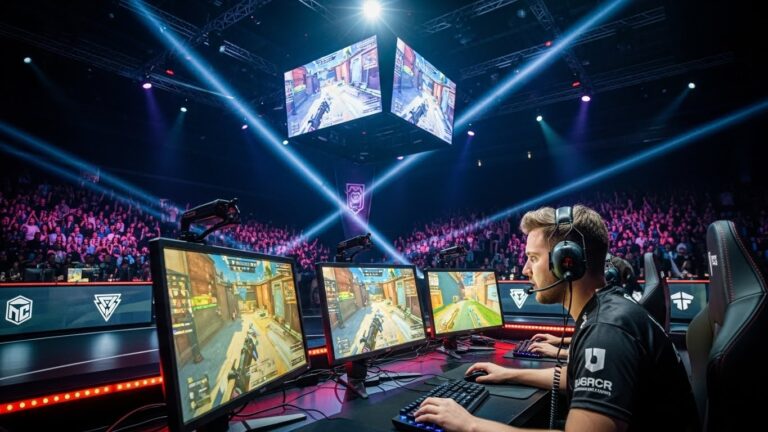
Esports has evolved into a spectator-driven phenomenon. Fans enjoy watching skilled players execute complex strategies, achieve clutch moments, and participate in high-stakes competition. Casters, or commentators, provide live analysis, breaking down gameplay to enhance understanding and engagement.
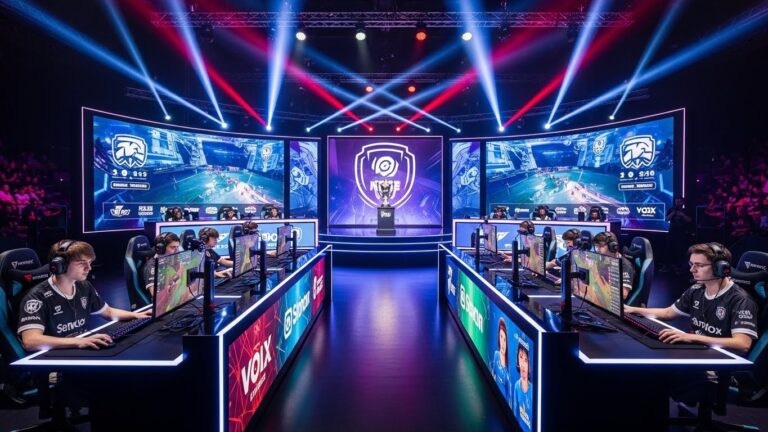
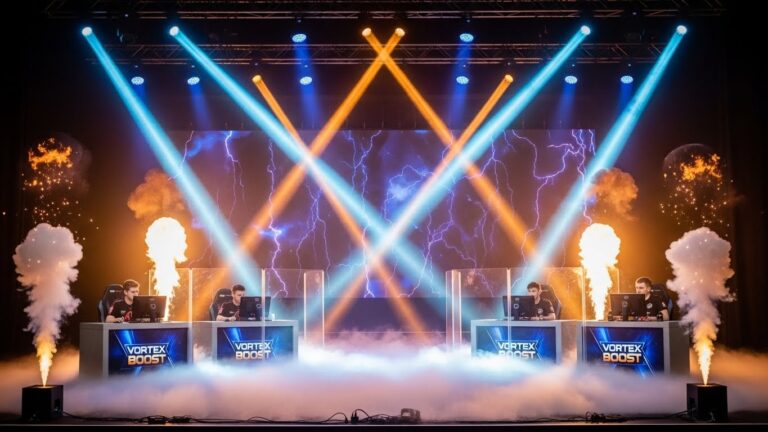
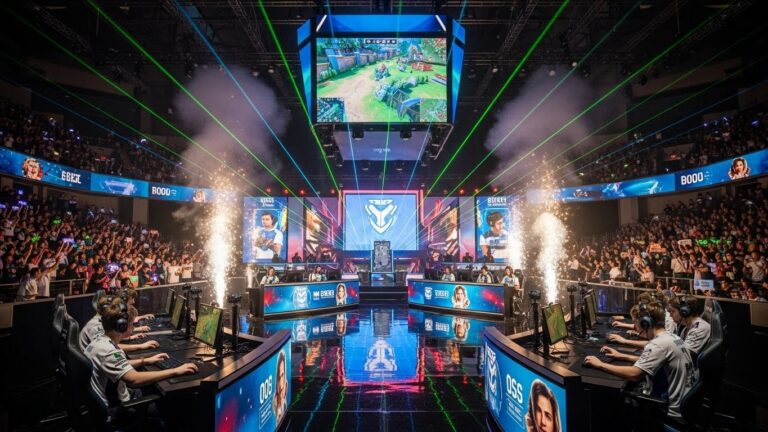
Live events are immersive experiences. Stadiums feature elaborate lighting, music, visual effects, and real-time statistics. Online communities further amplify the spectator experience, allowing fans to discuss, predict, and celebrate moments together, fostering a global sense of camaraderie.
Economic Impact of Esports
Esports has become a multi-billion-dollar industry. Revenue streams include sponsorships, media rights, merchandising, advertising, and ticket sales. Prize pools for major competitions often reach millions, attracting top talent and significant corporate investment.
The industry has created numerous professional opportunities beyond competitive play. Event organizers, commentators, analysts, marketers, and content creators contribute to a robust ecosystem. The financial growth of Esports demonstrates its sustainability and long-term relevance in the global entertainment landscape.
Esports in Education and Youth Development
Educational institutions have embraced Esports as both a competitive and educational tool. Schools and universities offer scholarships, team programs, and courses in game design, digital marketing, and event management.
Participation in Esports promotes teamwork, communication, problem-solving, and strategic thinking. Students learn skills that are applicable in professional environments, combining passion with education. Esports programs encourage inclusivity, providing spaces where students from diverse backgrounds collaborate and thrive.
Challenges in the Esports Industry
Despite its success, Esports faces several challenges. Player burnout, physical strain, and mental health concerns are prevalent due to intense training schedules. Professional organizations are developing wellness programs to support player health.
Regulatory inconsistency is another issue. Different tournaments and leagues follow varying rules, creating disparities and occasionally undermining fairness. Cheating, match-fixing, and contractual disputes also pose challenges to industry credibility.
Inclusion remains a focus. While female and minority players are gaining recognition, the industry continues to work toward equitable representation. Financial sustainability is equally important, requiring diversification of revenue streams to mitigate dependency on sponsorships and fluctuating audiences.
Technological Innovation Driving Esports
Technology underpins the growth and evolution of Esports. High-performance hardware, low-latency internet, and specialized gaming peripherals enhance player performance. Innovations such as cloud gaming, virtual reality, and augmented reality are redefining gameplay and viewer experiences.
Artificial intelligence plays a role in performance analytics, strategy development, and training. AI allows teams to study opponents, refine tactics, and optimize practice sessions. As technology evolves, Esports will continue to push the boundaries of interactive entertainment and competitive innovation.
Social and Cultural Impact
Esports has created a global community that transcends cultural, linguistic, and geographic boundaries. Online and offline communities foster social connections, teamwork, and shared identity. Fans worldwide engage in discussions, debates, and collaborations around their favorite games and players.
Esports challenges conventional definitions of athleticism. Success is determined by skill, strategy, and teamwork rather than physical strength. Increasingly, women and minority players are gaining recognition, promoting diversity and inclusivity. Additionally, Esports events frequently support charitable initiatives, raising funds for social causes, education, and disaster relief.
The Future of Esports
The future of Esports is bright and full of possibilities. Emerging technologies such as virtual reality, AI-driven coaching, and immersive digital arenas will redefine competition. Governments and international organizations are beginning to recognize Esports formally, opening doors for wider participation and official recognition.
Esports is expected to grow in education, business, and media, creating new career opportunities and cultural touchpoints. Its ability to unite communities, entertain audiences, and foster skills ensures that it will remain a major force in digital entertainment for years to come.
Conclusion: The Lasting Impact of Esports
Esports represents more than competitive gaming; it embodies the fusion of technology, skill, and community. From modest beginnings in university labs to sold-out arenas and global online platforms, Esports has evolved into a cultural, economic, and social phenomenon.
It provides professional careers, fosters community, and challenges traditional perceptions of sports and entertainment. Esports is not a temporary trend—it is a transformative movement shaping the future of competition, entertainment, and digital interaction. The digital revolution of Esports continues to grow, proving that gaming is now a global stage where talent, strategy, and creativity thrive.
About the Author