Introduction
Esports, short for electronic sports, has transformed from a niche pastime into a global phenomenon that rivals traditional sports in viewership, sponsorship, and cultural influence. Once seen as a simple hobby for gamers, esports is now a billion-dollar industry that captivates millions of fans around the world. It represents the blending of technology, competition, and entertainment, creating a digital arena where strategy, skill, and teamwork are celebrated on a global scale.
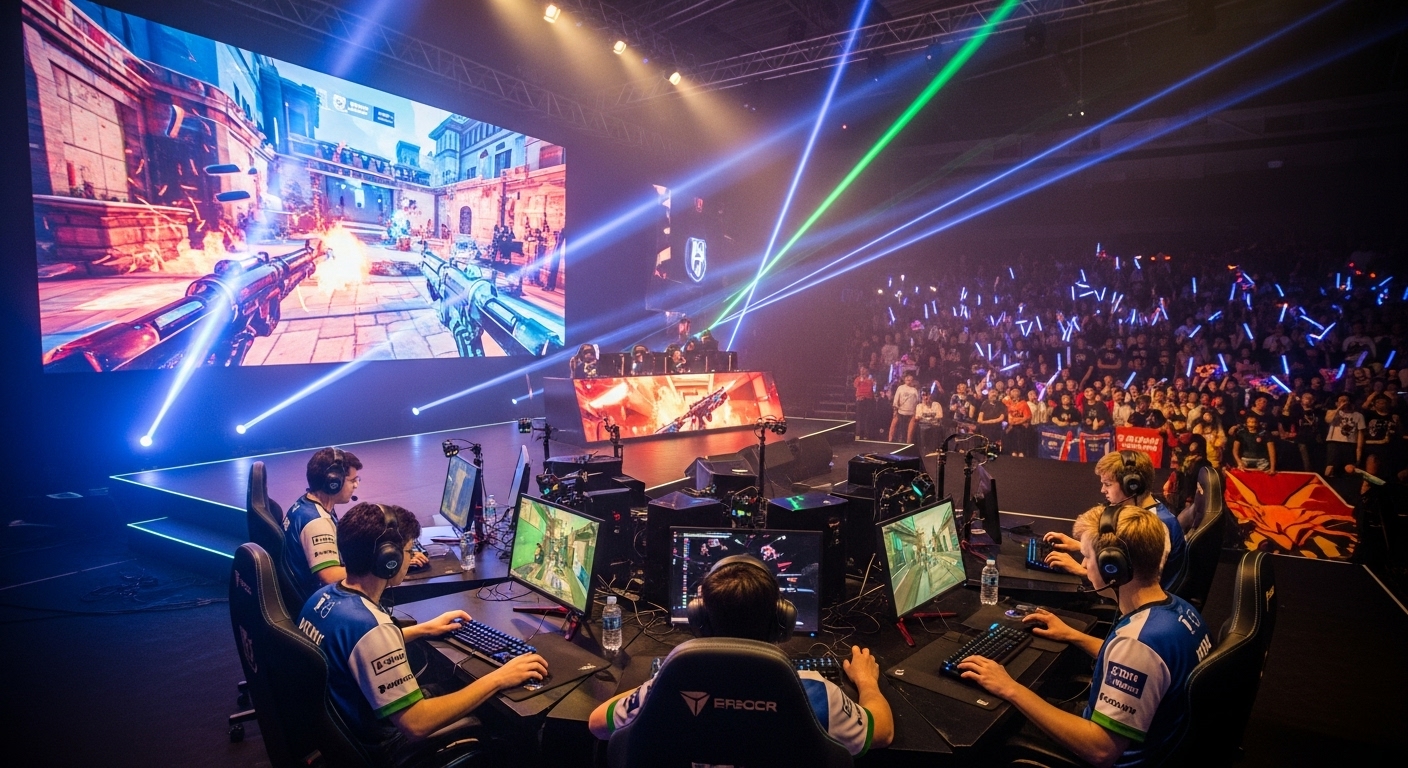
Over the past two decades, esports has evolved from small local tournaments into massive international events that fill entire stadiums. The players have become celebrities, the teams have developed loyal fan bases, and the games themselves have become platforms for innovation and storytelling. This transformation reflects not just the growth of gaming, but also the changing landscape of digital entertainment and human interaction in the modern world.
The Early Days of Esports
The history of esports dates back to the late 1970s and early 1980s when arcade games like Space Invaders and Pac-Man first captured public attention. In 1980, one of the first known gaming competitions, the Space Invaders Championship, attracted thousands of players across the United States. While the term “esports” didn’t exist yet, the competitive spirit had already begun to take shape.
As gaming technology advanced, the 1990s brought the rise of PC gaming and local area network (LAN) tournaments. Games like Doom, Quake, and StarCraft allowed players to connect and compete in real-time, laying the foundation for what would later become organized esports. South Korea emerged as an early leader, thanks to its strong internet infrastructure and cultural embrace of competitive gaming. By the early 2000s, professional leagues like the Korean e-Sports Association were forming, giving rise to full-time professional gamers who trained, competed, and lived much like traditional athletes.
The Explosion of Online Gaming
The internet revolution in the late 1990s and early 2000s completely transformed the gaming landscape. Multiplayer online games such as Counter-Strike, Warcraft III, and Dota made it possible for players around the world to compete without being in the same location. This accessibility was crucial to the rise of esports, as it allowed for global tournaments, live streaming, and fan engagement.
Esports grew alongside the internet, benefiting from online communities and platforms that allowed gamers to share strategies, organize tournaments, and build identities around specific games. As broadband connections became faster and more reliable, competitive gaming no longer required physical gatherings at LAN centers. Players could now compete from their homes, and audiences could watch from anywhere in the world.
The Birth of Professional Leagues
The mid-2000s marked the beginning of organized esports leagues and major tournaments. Games like Counter-Strike, StarCraft, and Warcraft III became the foundation for early professional scenes. The Major League Gaming (MLG) circuit in North America and the World Cyber Games (WCG) in Asia and Europe brought legitimacy to esports, offering prize pools that attracted top talent.
Teams began to form, often sponsored by technology companies or gaming hardware brands. These teams trained rigorously, hired coaches, and developed strategies similar to those seen in traditional sports. The introduction of live streaming platforms later amplified their reach, allowing fans to follow their favorite players and teams in real-time.
The Role of Streaming and Social Media
If one technology deserves credit for propelling esports into the mainstream, it is live streaming. Platforms like Twitch, YouTube Gaming, and Facebook Gaming revolutionized the way audiences consume competitive gaming. Before streaming, fans relied on recorded matches or highlight reels. Now, they could watch events live, interact through chat, and even donate directly to players.
Streaming made esports personal and accessible. Fans could connect with their favorite players not just during competitions, but also during practice sessions, interviews, and casual gaming streams. This direct connection built strong fan communities and helped players cultivate personal brands. Social media platforms amplified this even further, creating a new kind of celebrity culture around gamers.
The Globalization of Esports
Esports is not confined to one country or region—it is truly global. While South Korea initially led the way, countries like China, the United States, and many in Europe quickly followed. Games such as League of Legends, Dota 2, and Counter-Strike: Global Offensive became international phenomena, with players from every continent competing on the same stage.
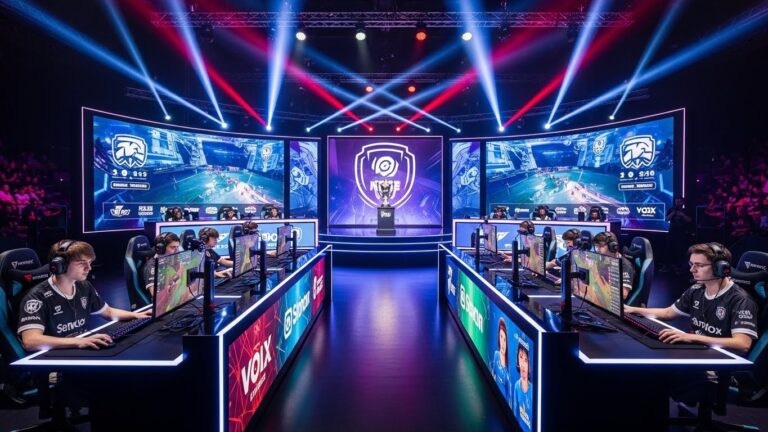
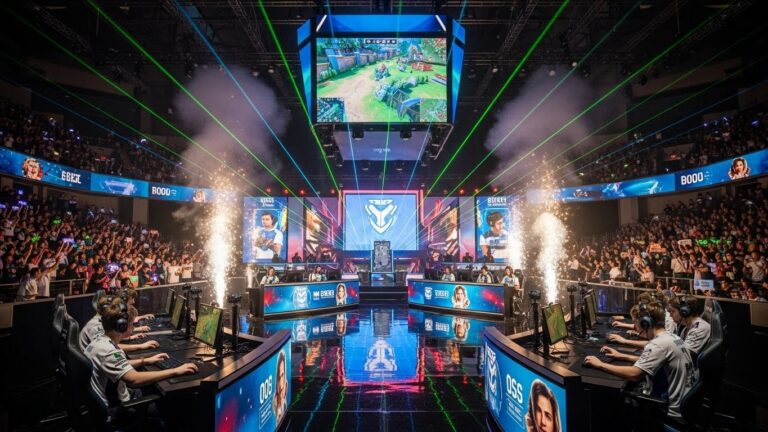
Massive tournaments such as The International for Dota 2, the League of Legends World Championship, and the Fortnite World Cup have become annual events that attract millions of viewers and offer multi-million-dollar prize pools. Esports arenas in cities like Seoul, Shanghai, and Los Angeles have been built specifically to host these competitions, further solidifying their place in modern entertainment culture.
The Esports Ecosystem
Behind every esports event lies a vast and complex ecosystem. It includes game developers, tournament organizers, teams, players, sponsors, media companies, and fans. Each plays a critical role in sustaining the industry.
Game developers are the foundation, designing and updating the games that fuel competition. Tournament organizers handle logistics, marketing, and production. Teams recruit and train players, negotiate sponsorship deals, and engage with fans. Sponsors, ranging from gaming peripherals to major consumer brands, invest heavily to reach the young, tech-savvy esports audience.
Media companies broadcast and commentate on matches, turning them into full-scale productions with analysis, graphics, and storytelling that rival traditional sports broadcasts. The result is a sophisticated entertainment product that appeals to both hardcore gamers and casual viewers alike.
The Rise of Esports Athletes
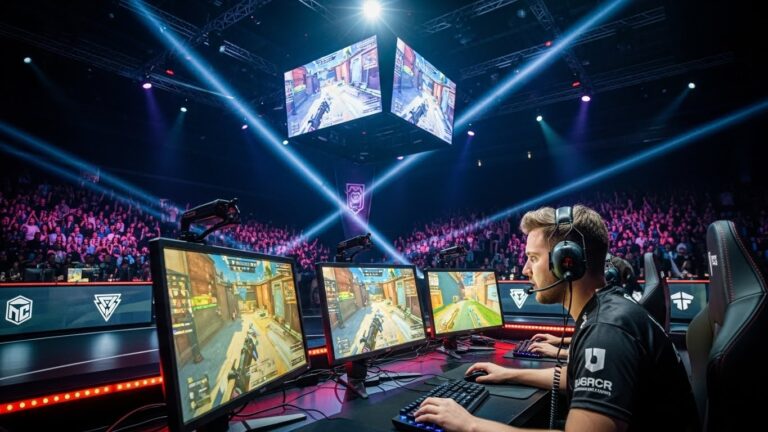
Professional esports players are not just casual gamers—they are highly trained athletes who dedicate countless hours to mastering their craft. They practice for long hours each day, analyze opponents’ gameplay, and maintain strict schedules that balance training, rest, and mental health. Many teams employ coaches, nutritionists, and psychologists to ensure optimal performance.
The reflexes, decision-making, and teamwork required in esports are comparable to those in physical sports. In fact, several studies have shown that top esports players can have reaction times faster than professional athletes in traditional sports. The physical strain of gaming, including repetitive motion injuries and mental fatigue, has also become a growing area of focus in player health management.
The Business of Esports
Esports is now a multi-billion-dollar industry. Revenue streams include sponsorships, advertising, ticket sales, media rights, and in-game purchases. Major brands outside of gaming—such as automobile manufacturers, clothing companies, and energy drinks—have invested heavily in esports as a way to reach younger audiences.
Franchise-based leagues, like the Overwatch League and Call of Duty League, have introduced a structure similar to that of professional sports leagues, with city-based teams, regular seasons, and playoffs. These leagues have elevated esports to new levels of professionalism, making it easier for fans to identify with specific teams and players.
Esports has also created career opportunities beyond players. Analysts, commentators, event managers, marketing specialists, and content creators have all found a place in this expanding digital industry.
Esports in Education and Career Development
Esports has begun to find a place in education systems around the world. Universities and schools have started offering scholarships to talented players and forming competitive esports teams. Some institutions have introduced degree programs in game design, esports management, and digital marketing.
This integration of esports into academia highlights its growing acceptance as a legitimate career path. Students are learning not only how to play competitively but also how to manage teams, organize events, and build businesses in the gaming industry.
The Cultural Impact of Esports
Beyond the business and competition, esports has had a significant impact on global culture. It has changed how people socialize, how entertainment is consumed, and even how technology evolves. Gaming communities are now cultural hubs where fans share art, memes, strategies, and experiences.
Esports has also influenced fashion, music, and digital art. Collaborations between game companies and artists are common, and esports events often feature live performances from popular musicians. The crossover between gaming and pop culture has made esports a central part of youth identity in many regions.
Challenges Facing the Esports Industry
Despite its rapid growth, esports faces several challenges. One major issue is player burnout. The intense schedule and pressure to perform can lead to mental and physical exhaustion. Teams and organizations are now investing more in wellness programs and rest periods to help players maintain long-term careers.
Another challenge is the lack of standardized regulation. Because esports spans multiple countries and games, there is no single governing body. This can lead to inconsistent rules, prize disputes, and issues with player contracts. Match-fixing and cheating, though rare, have also posed threats to the integrity of the industry.
Monetization remains another concern. While viewership numbers rival those of major sports leagues, converting those audiences into consistent revenue has proven difficult for some organizers and teams. Balancing the interests of developers, sponsors, and fans continues to be a delicate task.
The Future of Esports
The future of esports looks incredibly bright. Advances in technology such as virtual reality, artificial intelligence, and augmented reality are expected to redefine how competitive gaming is played and experienced. Virtual reality esports could provide even more immersive and physically interactive experiences, while AI tools could help players and coaches analyze strategies in unprecedented detail.
Esports may also become a recognized part of international sporting events. Discussions about including esports in the Olympic Games have already begun, signaling growing global acceptance. The increasing integration of gaming into everyday entertainment ensures that esports will continue to evolve as one of the most dynamic industries of the 21st century.
Esports and the Next Generation
For the younger generation, esports is not just entertainment—it’s a lifestyle. Many children and teenagers aspire to become professional gamers or content creators. This has sparked discussions among parents and educators about balancing gaming with academics and physical health.
However, esports can teach valuable life skills such as teamwork, communication, strategic thinking, and problem-solving. Many young players who may never turn professional still find community, friendship, and purpose through gaming. The growing ecosystem of amateur leagues, community tournaments, and online platforms ensures that there is a place for everyone, from casual players to elite competitors.
Conclusion
Esports is more than a trend—it is a reflection of our digital age. It embodies the evolution of technology, the power of community, and the global nature of modern entertainment. What began as small local competitions among friends has grown into a worldwide industry that rivals the most established forms of sports and media.
The journey of esports from humble beginnings to massive arenas filled with passionate fans represents one of the most remarkable transformations in modern culture. It has redefined what it means to be an athlete, a fan, and even a spectator. As technology continues to advance and new generations embrace gaming, esports will undoubtedly continue to shape the future of entertainment and competition.
The digital arena is here to stay, and its champions—armed not with physical strength, but with precision, creativity, and strategy—will continue to inspire millions across the globe.
About the Author