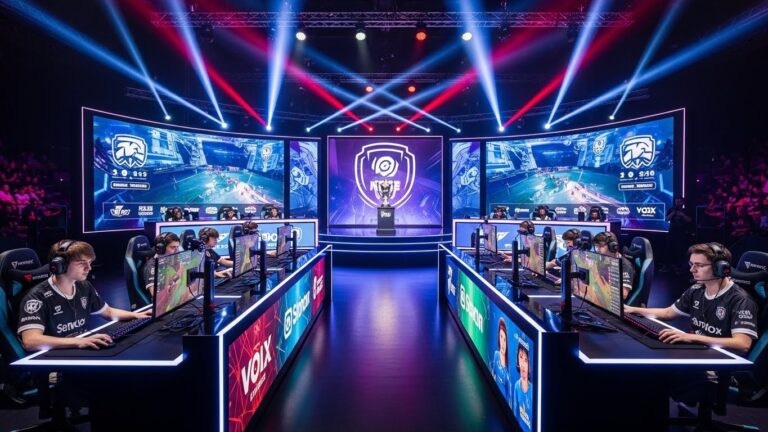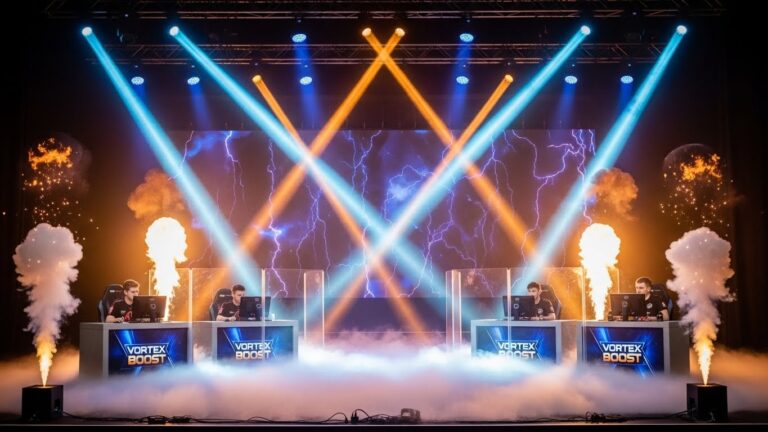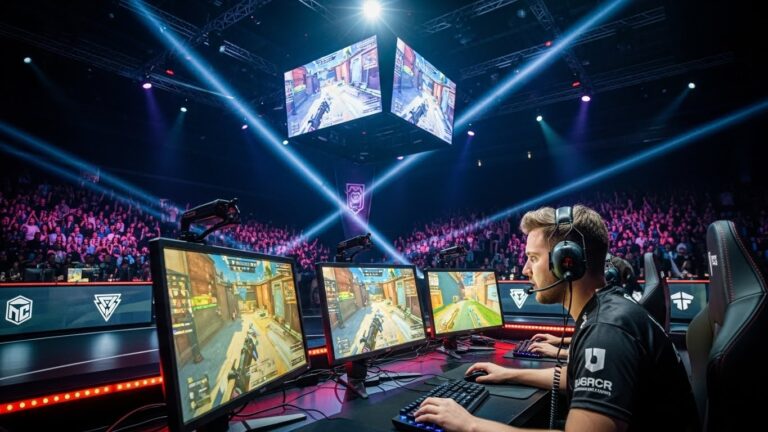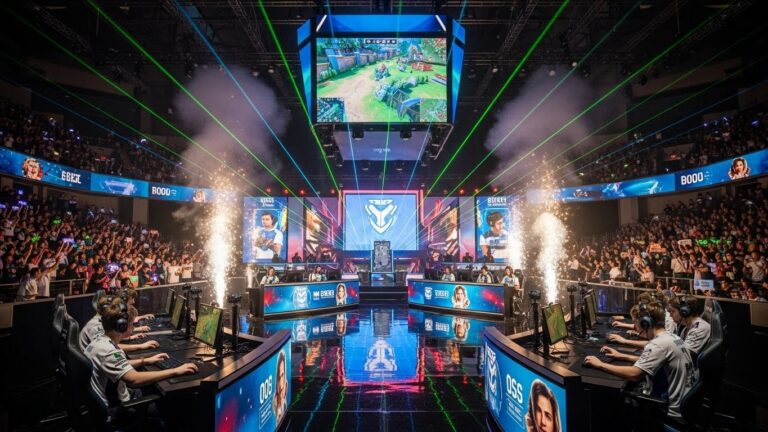
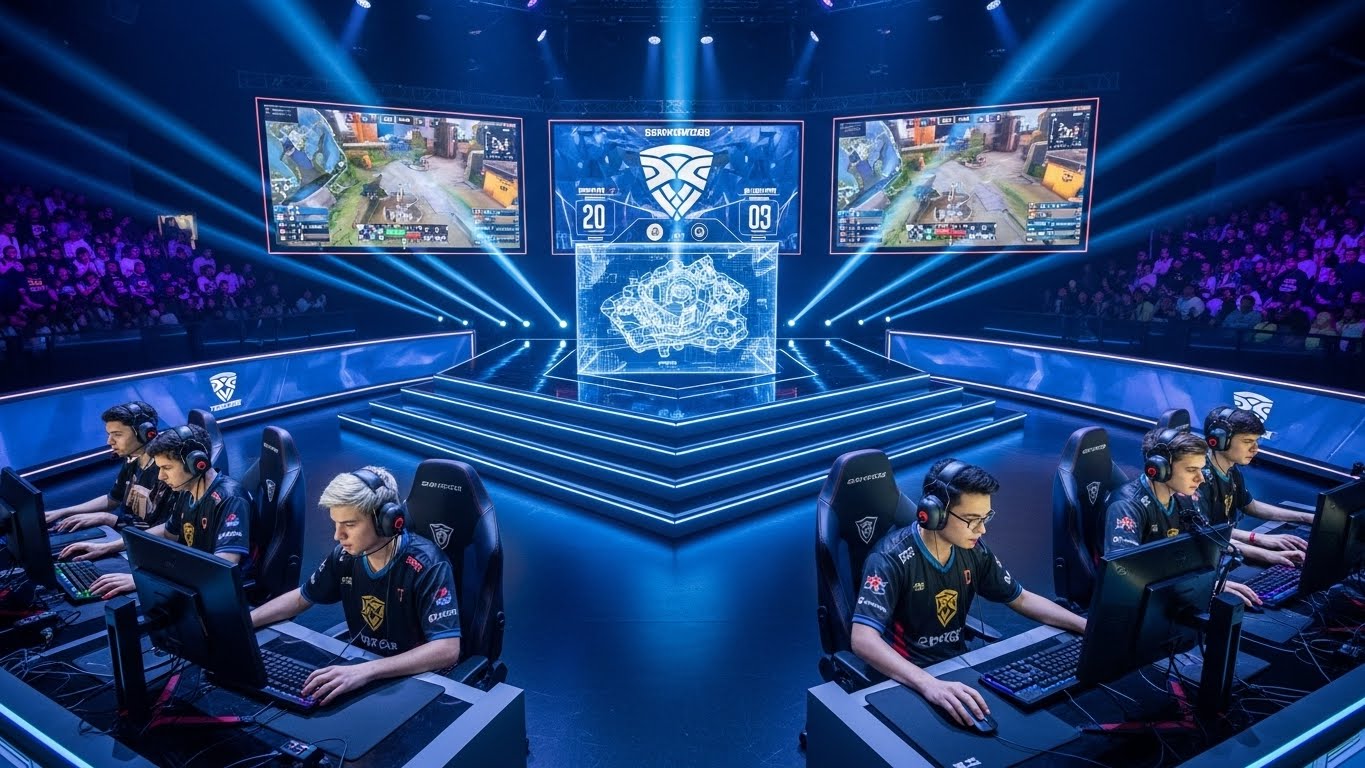
In the past decade, the world of gaming has undergone a monumental transformation. What was once seen as a hobby or niche activity has now evolved into a global phenomenon. Esports, or electronic sports, is at the forefront of this revolution, becoming a multi-billion-dollar industry with millions of fans and players worldwide. From competitive gaming tournaments to professional teams and massive sponsorship deals, esports has firmly established itself as a force to be reckoned with in both the entertainment and business sectors. In this blog post, we’ll explore the rise of esports, its impact on the gaming landscape, the growing recognition of esports athletes, and the future of competitive gaming.
What is Esports?
Esports refers to organized, multiplayer video game competitions, particularly between professional players, individually or as teams. These competitions are often live-streamed on platforms such as Twitch, YouTube, and Facebook Gaming, and are broadcast to a global audience. The games played in esports tournaments range from real-time strategy games, such as StarCraft and Warcraft, to multiplayer online battle arenas (MOBAs) like League of Legends and Dota 2, to first-person shooters (FPS) like Counter-Strike: Global Offensive (CS:GO) and Overwatch.
Esports can be seen as the modern-day equivalent of traditional sports. The intensity of competition, the skill level required, the community support, and the entertainment value are all similar to what one might find in football, basketball, or any other major sport.
The Evolution of Esports
Esports’ humble beginnings can be traced back to the early 2000s when competitive gaming was primarily a local or regional activity. Tournaments like the World Cyber Games and the Electronic Sports World Cup laid the groundwork for a global competitive gaming scene. However, the real turning point came with the rise of platforms like Twitch in 2011, which allowed gamers to live-stream their gameplay to a global audience. This provided not only a platform for gamers to showcase their skills but also an opportunity for fans to engage with their favorite players and teams in real-time.
The popularity of esports grew exponentially as games like League of Legends, Counter-Strike, and Fortnite gained millions of players worldwide. These games introduced new dynamics, with massive online communities and competitive ladders, encouraging players to hone their skills and compete against each other.
Today, esports is a well-established industry, with organizations, sponsors, and advertisers pouring millions of dollars into the scene. Esports tournaments now take place in massive arenas with thousands of spectators, and the prize pools for top-tier competitions can exceed $30 million, such as in the case of The International for Dota 2.
The Impact of Esports on the Gaming Industry
One of the key factors in the rise of esports has been the integration of gaming into mainstream entertainment. Esports has turned gaming into not just a pastime, but a spectator sport, much like traditional sports such as football or basketball. Professional players and teams have gained celebrity status, with a growing number of fans who follow their favorite players, teams, and tournaments.
The success of esports has also had a profound effect on the gaming industry itself. Game developers are increasingly designing their titles with competitive play in mind. Games like Valorant and Overwatch are built to be competitive from the ground up, with features such as balanced gameplay mechanics, spectator modes, and ranked ladders to keep players engaged and invested.
Moreover, esports has created a new business model for the gaming industry. While traditional games are often sold as one-time purchases or through microtransactions, esports-driven games focus on maintaining a long-term player base through regular updates, season passes, and in-game purchases. The competitive aspect of these games, combined with the ongoing tournaments and live streams, ensures that players and fans remain engaged year-round.
Esports as a Career: The Rise of Professional Gamers
In the early days of esports, competitive gamers were often seen as hobbyists or enthusiasts. However, as the industry has grown, it has become clear that esports can be a legitimate career path. Professional gamers now earn salaries, win substantial prize money, and even secure sponsorships from global brands.
Top esports players have transformed into full-fledged celebrities, with millions of followers on social media and streaming platforms. Some of the most popular names in the industry include Faker (Lee Sang-hyeok), a League of Legends legend, and Ninja (Tyler Blevins), a Fortnite superstar. These players not only earn money from tournament winnings but also make substantial income through streaming, brand endorsements, and merchandise sales.
Becoming a professional gamer requires an immense amount of dedication, training, and skill. Many esports players practice for hours every day, perfecting their gameplay and strategies. It’s not uncommon for players to start their careers in their teenage years, spending their formative years focusing solely on gaming. This level of dedication has led to an increase in the support systems available for aspiring esports players, including coaches, analysts, and psychologists, who help players develop their skills and maintain their mental well-being.
Esports Tournaments and Events
One of the most exciting aspects of esports is the sheer scale and spectacle of its tournaments. Major tournaments like the League of Legends World Championship, The International for Dota 2, and the Fortnite World Cup attract millions of viewers and feature prize pools that rival those of traditional sports events. These tournaments are often broadcast live on streaming platforms, with expert commentary and analysis, creating an engaging viewing experience for fans.
Esports tournaments are also held in grand arenas, with packed crowds cheering for their favorite teams and players. In fact, the League of Legends World Championship has held its finals in venues like the Seoul World Cup Stadium and the Bird’s Nest in Beijing, China, demonstrating how esports is becoming as much a global event as the Super Bowl or the FIFA World Cup.
In addition to global tournaments, esports has also made its way into the mainstream media. Major networks, such as ESPN and Turner Sports, have begun airing esports events, bringing competitive gaming to a broader audience. The increasing media attention has also led to partnerships with traditional sports organizations, such as the NBA, which has established the NBA 2K League, where professional players compete in the popular NBA 2K video game.
The Growing Esports Ecosystem
As esports continues to evolve, it has created a complex and multifaceted ecosystem that includes more than just players and teams. The esports ecosystem involves game developers, broadcasters, sponsors, advertisers, event organizers, and fans, all working together to create a sustainable and thriving industry.
One key aspect of this ecosystem is sponsorship. Major brands like Coca-Cola, Intel, and Nike have recognized the marketing potential of esports and have signed endorsement deals with top players and teams. These partnerships not only help promote the brands but also provide essential funding for tournaments and esports leagues, further fueling the growth of the industry.
Furthermore, esports has opened up new avenues for advertising, particularly through live streaming. Platforms like Twitch have become not only a venue for competitive play but also a space for advertisers to engage with a highly engaged and loyal audience. Streamers can make a living through subscriptions, donations, and brand sponsorships, while companies gain access to an active and enthusiastic community of gamers.
The Future of Esports
Looking ahead, the future of esports appears bright. As technology continues to advance, esports will likely see even more innovations. Virtual reality (VR) and augmented reality (AR) have the potential to revolutionize competitive gaming by creating immersive environments where players can interact with their surroundings in entirely new ways.
Moreover, esports is becoming increasingly integrated into educational institutions. High schools and universities are beginning to offer esports programs, complete with scholarships, coaching, and competition opportunities. This will likely lead to a new generation of professional gamers who are not only skilled at playing but also understand the business side of the industry.
Esports may also find a place in the Olympic Games. The International Olympic Committee (IOC) has been exploring the possibility of including esports as an official Olympic sport, with discussions taking place around the potential for esports tournaments to become a part of future Games.
Conclusion
Esports has come a long way since its early days of local LAN parties and small competitions. Today, it is a thriving global industry with millions of players, fans, and professionals. The rise of esports has changed the way we view gaming, turning it into a legitimate career option for many and a competitive spectacle for millions of fans worldwide.
As esports continues to grow, we can expect more innovation, bigger tournaments, and increased recognition of esports athletes as professional sports figures. Whether you’re a casual gamer, a dedicated fan, or someone interested in pursuing a career in the esports industry, the future of competitive gaming looks incredibly promising. The era of esports is just beginning, and it’s poised to redefine the world of sports and entertainment for years to come.
About the Author