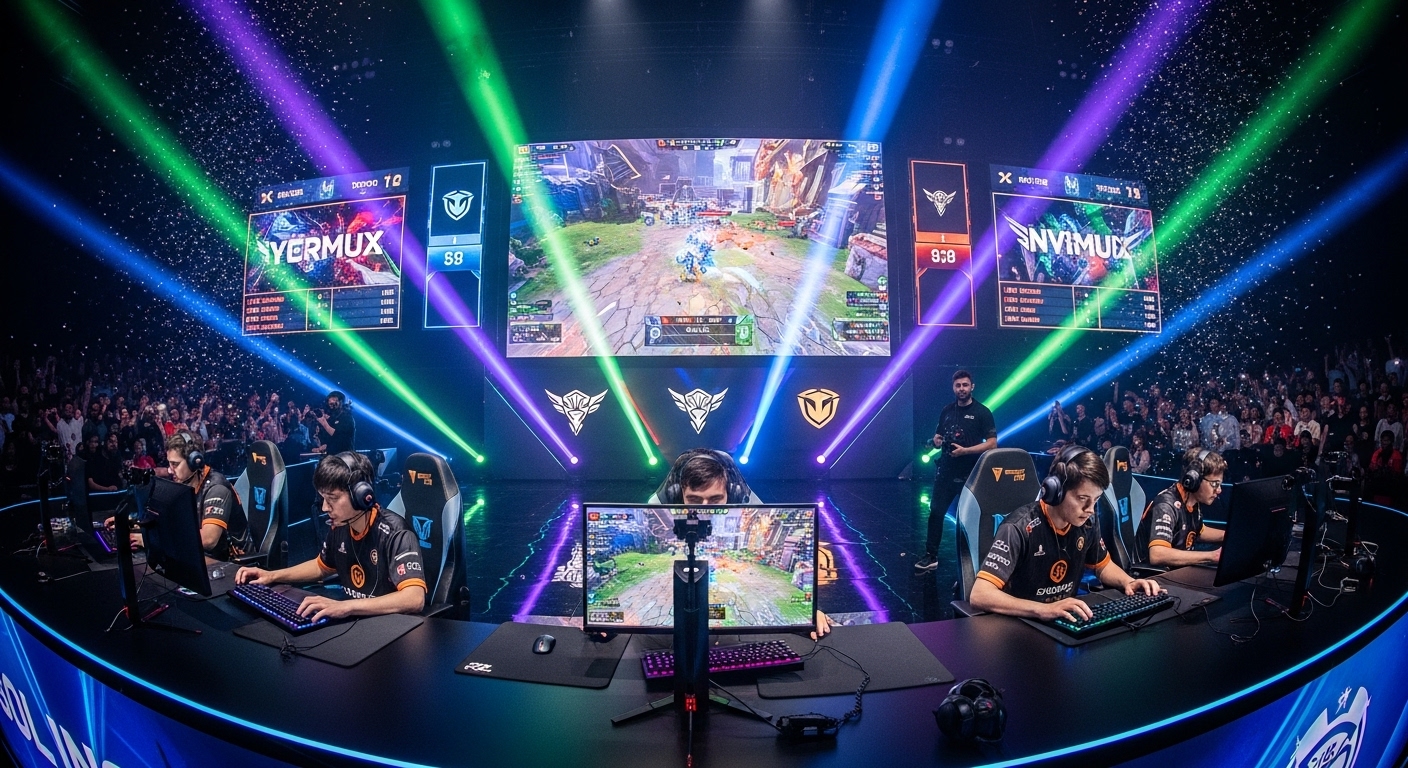
In the last two decades, a cultural and technological revolution has reshaped how people compete, connect, and consume entertainment. At the heart of this transformation lies the world of esports — competitive video gaming at a professional level. What once began as small gatherings of passionate gamers has now evolved into a multibillion-dollar industry that rivals traditional sports in both viewership and prestige. Esports are not merely a niche for gamers anymore; they have become a powerful symbol of digital-age ambition, creativity, and community.
The Early Roots of Esports
The story of esports begins long before high-definition screens and lightning-fast internet connections. The first known video game competition took place in 1972 at Stanford University, where students competed in the game Spacewar. The prize for the winner was a year’s subscription to Rolling Stone magazine. It was a humble beginning, but it sparked something that would later grow beyond anyone’s imagination.
By the 1980s, arcade gaming culture began to flourish. Titles like Pac-Man, Donkey Kong, and Space Invaders became household names. Gaming tournaments started to appear in arcades across the United States and Japan, where top players would compete for high scores and small cash prizes. The famous 1980 Space Invaders Championship organized by Atari attracted more than ten thousand participants, a record for its time. These early competitions laid the groundwork for what would eventually become professional esports.
As home consoles and personal computers entered the mainstream in the late 1980s and early 1990s, gaming expanded from a public arcade pastime to a private home experience. Players could now practice for hours without needing quarters or tokens, and local communities began forming around competitive titles like Street Fighter, Doom, and StarCraft. This era marked the transition from casual gaming toward organized, competitive play.
The Internet Age and the Birth of Modern Esports
The emergence of broadband internet in the late 1990s and early 2000s changed everything. For the first time, players could compete with others from around the world without leaving their homes. Online multiplayer games like Counter-Strike, Quake, and Warcraft III became the training grounds for a new generation of competitive players. LAN (Local Area Network) parties — where gamers would bring their computers to a shared location — became iconic gatherings for early esports enthusiasts.
In South Korea, the rise of StarCraft in the late 1990s triggered a national obsession with professional gaming. The country established televised leagues, dedicated gaming channels, and professional teams with sponsorships and fan bases. Players like Lim Yo-hwan, known as “BoxeR,” became national celebrities, and gaming stadiums filled with thousands of fans cheering for their favorite players. South Korea’s model became the blueprint for the global esports ecosystem that would follow.
The Professionalization of Esports
As technology advanced, so did the level of competition and organization. Esports began to adopt structures similar to those of traditional sports. Teams, coaches, analysts, and even physical trainers became common. Major tournaments started to offer prize pools that reached into the millions. Game developers recognized the power of esports as a marketing and community-building tool, and they began designing games with competitive play in mind.
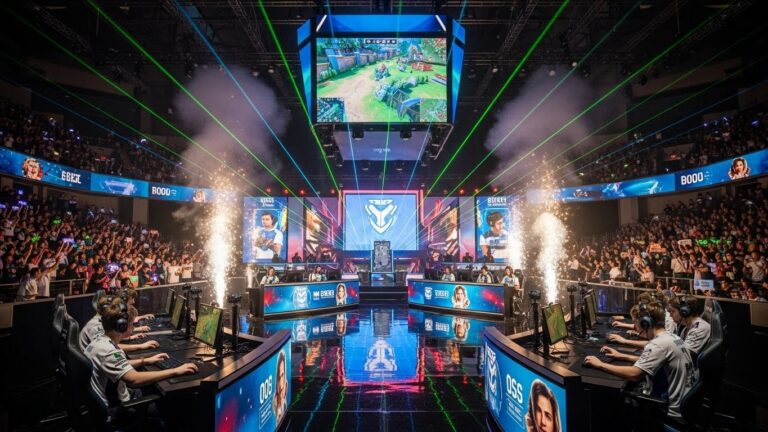
By the 2010s, global tournaments like The International for Dota 2, the League of Legends World Championship, and the Intel Extreme Masters drew massive audiences online and in arenas. The International 2019 shattered records with a prize pool exceeding thirty million dollars, much of it crowdfunded by fans through in-game purchases. Meanwhile, League of Legends finals filled entire stadiums, with live performances and productions rivaling the Super Bowl.
This professionalization also brought a new level of legitimacy to gaming as a career. Players began to sign contracts, earn salaries, and secure sponsorships. Esports organizations emerged as powerful brands, attracting investments from major companies, celebrities, and sports franchises. Teams like Cloud9, Team Liquid, and T1 became household names within gaming circles, each with its own loyal following.
The Explosion of Esports Viewership
One of the defining features of modern esports is its immense global audience. Streaming platforms revolutionized how fans consume competitive gaming. Services like Twitch, YouTube Gaming, and other live streaming platforms created direct connections between players and their audiences. Viewers could watch matches live, interact with commentators, and even donate to their favorite players or teams.
By the late 2010s, esports events were drawing viewership numbers comparable to — and sometimes exceeding — those of traditional sports. For example, the 2018 League of Legends World Championship reportedly reached more than one hundred million unique viewers, a figure similar to that year’s Super Bowl. What made esports unique was not only its scale but also its accessibility. Unlike many traditional sports, where participation requires physical facilities or expensive gear, anyone with a computer or console could watch or even compete.
The community-driven nature of esports created a culture where fans felt deeply involved in the growth of the scene. Memes, fan art, and online discussions became a constant stream of creativity. Players were not distant celebrities; they were often accessible figures who streamed their daily practice sessions, interacted with fans on social media, and shared their personal stories.
Diversity of Esports Titles
One of the strengths of esports lies in its diversity. Unlike traditional sports, which are defined by a single physical game, esports encompasses a wide variety of genres and styles. Each title attracts a different audience and type of competition.
First-person shooters like Counter-Strike, Call of Duty, and Overwatch test players’ reflexes, precision, and teamwork. Real-time strategy games such as StarCraft II emphasize multitasking and long-term planning. Multiplayer online battle arenas, or MOBAs, like League of Legends and Dota 2, focus on strategy, coordination, and split-second decision-making among five-player teams. Sports simulation games such as FIFA and NBA 2K bring the excitement of real-world sports into the digital realm, while fighting games like Street Fighter and Super Smash Bros. showcase one-on-one mastery and creativity.
Each of these communities has developed its own traditions, heroes, and competitive ecosystems. This diversity ensures that esports never stagnates; as new genres and technologies emerge, so too do new competitive scenes.
The Role of Technology in Esports Growth
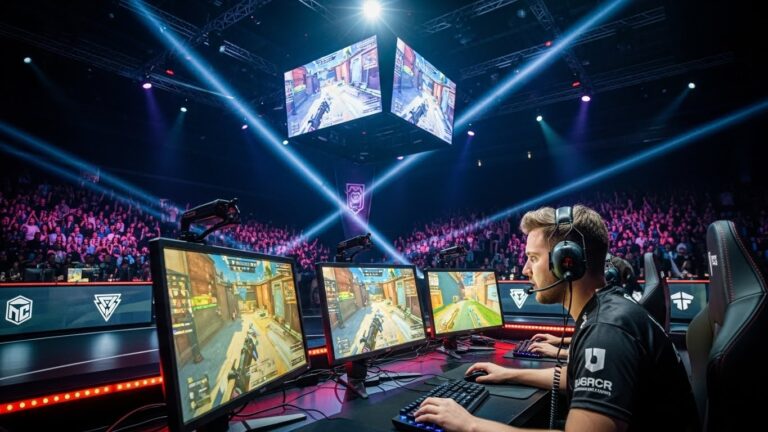
Esports would not have reached its current scale without technological innovation. The improvement of gaming hardware, internet infrastructure, and broadcasting tools has allowed the scene to flourish. High-refresh-rate monitors, low-latency internet connections, and advanced gaming peripherals have created an environment where the difference between victory and defeat can be measured in milliseconds.
Streaming technology, in particular, has played a crucial role. In the early 2000s, watching gaming content required downloading large files or using clunky media players. Today, fans can watch high-definition streams with real-time commentary from virtually anywhere in the world. This accessibility has democratized esports viewership, allowing fans from every continent to participate in a shared global culture.
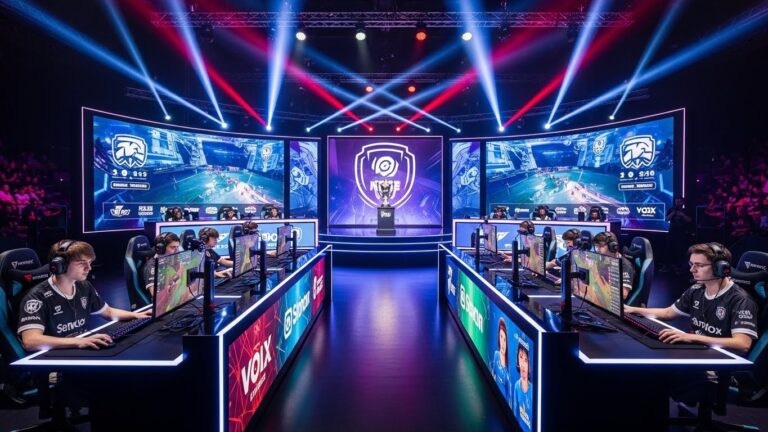
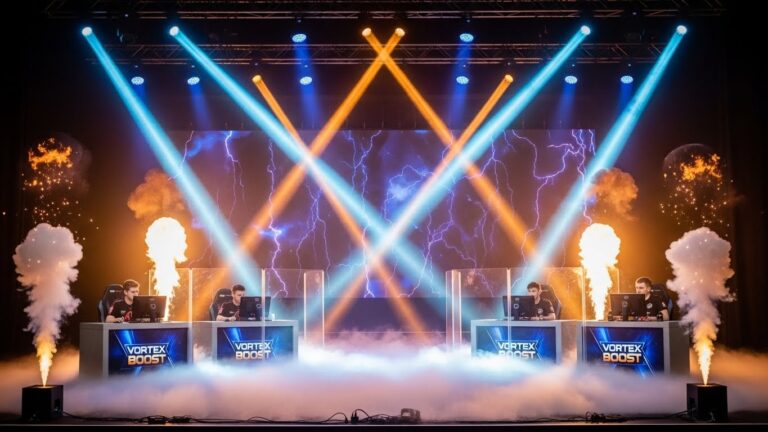
Moreover, the integration of virtual production, augmented reality, and immersive stage design has turned esports tournaments into cinematic experiences. Opening ceremonies now feature light shows, holograms, and live musical performances that elevate the excitement far beyond a simple match broadcast. The line between entertainment, sport, and technology continues to blur, making esports one of the most dynamic industries of the twenty-first century.
The Economics of Esports
Behind the excitement lies a complex economic ecosystem. Revenue in esports comes from multiple streams — sponsorships, media rights, merchandise, ticket sales, and in-game purchases. Brands recognize that esports reaches a valuable demographic of young, tech-savvy consumers who are often less engaged with traditional advertising. As a result, companies from diverse sectors such as energy drinks, car manufacturers, and even financial institutions have invested heavily in esports sponsorships.
The players themselves can earn significant incomes through prize winnings, streaming revenue, and brand endorsements. Top-tier professionals have become millionaires, and some have transitioned into coaching, commentary, or content creation after retirement. Yet, the economics of esports are still maturing. Many teams struggle to balance operational costs, and sustainability remains a key challenge for smaller organizations. Nonetheless, the steady growth of the audience and the expansion of global tournaments continue to attract investment and innovation.
Esports and Education
In recent years, esports has found its way into educational institutions. High schools and universities across the world have begun offering esports programs, scholarships, and degrees related to gaming, media, and technology. These initiatives recognize that esports is more than just competition; it teaches valuable skills such as teamwork, communication, leadership, and strategic thinking.
Esports also provides pathways into a variety of careers beyond professional play. Students can pursue opportunities in game design, event management, broadcasting, psychology, and marketing. The integration of esports into academia demonstrates a broader acceptance of gaming as a legitimate and valuable cultural force.
The Social and Cultural Impact of Esports
Esports has done more than entertain — it has built communities and reshaped social interactions. For millions of people, gaming is not just a pastime but a way to connect with others. Online friendships forged through shared competitive experiences often evolve into lifelong bonds. Esports has also provided a platform for cultural exchange, bringing together players and fans from every corner of the globe.
In countries where traditional sports may lack infrastructure or inclusivity, esports offers an accessible alternative. All that is required is a device, an internet connection, and the drive to improve. This accessibility has made esports particularly popular among younger generations who see digital environments as natural spaces for self-expression and achievement.
Esports has also influenced mainstream entertainment. Its aesthetics, language, and personalities are now part of global pop culture. Streamers and players are featured in advertisements, documentaries, and collaborations with musicians and fashion brands. The boundary between gaming and the rest of entertainment continues to blur, reinforcing the idea that digital culture is culture, not a separate world.
Challenges and Controversies in Esports
Despite its success, esports faces several ongoing challenges. One major issue is player burnout. The intense schedule of training, travel, and competition can take a toll on mental and physical health. Many professional players retire in their early twenties due to the demanding lifestyle and short career lifespan. As awareness grows, organizations are investing more in mental health support and structured player development.
Another concern is the regulation of competitive integrity. Issues like match-fixing, cheating, and doping have occasionally tainted the reputation of esports. Game developers and tournament organizers continue to refine systems to ensure fair play, but the global and digital nature of the industry makes enforcement complex.
Gender diversity remains a critical challenge as well. Although the gaming community includes millions of women, female representation at the professional level is still limited. Initiatives promoting inclusivity and equal opportunities are gaining traction, but there is still progress to be made before esports becomes a truly equitable space.
Esports and the Future of Sports Entertainment
Looking ahead, the line between traditional sports and esports is likely to blur even further. Major sports organizations, such as football clubs and basketball teams, have already established their own esports divisions. The Olympic movement has also begun exploring ways to integrate esports events under its umbrella. While there remains debate about whether esports should be considered “real sports,” there is no denying the shared values of competition, skill, and teamwork.
Technological innovation will continue to drive the future of esports. The rise of virtual reality and artificial intelligence may transform how games are played and experienced. Imagine tournaments where fans can step into the arena as digital spectators, viewing the action from the players’ perspectives, or AI-driven analytics that help teams refine strategies with unprecedented precision.
Esports also has the potential to become an even more inclusive form of global entertainment. As internet access expands and devices become more affordable, new regions will join the competitive ecosystem, bringing fresh talent and cultural diversity. The result could be a truly universal form of sport that transcends language, geography, and physical limitations.
The Human Element Behind the Screens
Amid the technology, numbers, and sponsorships, the true heart of esports remains human. It is the stories of players who dedicate years of practice to master their craft, the fans who cheer for their favorite teams, and the communities that rally around shared passions. Behind every champion is a story of perseverance, sacrifice, and teamwork — the same qualities that define excellence in any field.
Esports proves that competition does not require a ball, a field, or physical contact to inspire emotion and unity. The cheers in an esports arena, the tension of a close match, and the tears of victory or defeat are as real as those in any stadium. This emotional resonance is what cements esports as more than a passing trend — it is a defining expression of the digital age.
Conclusion: A New Era of Competition and Connection
The rise of esports represents a shift in how humanity experiences competition, community, and creativity. From the early days of arcade machines to global tournaments filling arenas, the journey of esports is a testament to innovation and passion. It has transformed from a subculture into a mainstream spectacle, bridging the gap between play and profession.
As technology continues to evolve, esports will only grow more sophisticated and influential. It embodies the spirit of the modern world — fast-paced, connected, and ever-evolving. For the millions of fans and players around the world, esports is not just a game; it is a way of life, a culture, and a global celebration of human potential in the digital era.
About the Author