Introduction: From Arcade Corners to Global Arenas
Once confined to dimly lit arcades and private LAN parties, gaming has evolved into a global cultural and economic powerhouse known as Esports. The term itself, short for “electronic sports,” represents a new era of competitive entertainment where gamers are not merely players but athletes in their own right. With millions of viewers, multimillion-dollar prize pools, sponsorships, and media coverage rivaling traditional sports, Esports has transcended boundaries once thought impossible. Today, it stands as one of the most rapidly growing industries in the digital age, shaping careers, economies, and even education.
The Origins of Competitive Gaming
Esports did not emerge overnight. The seeds were planted in the early 1970s when the first known video game competition took place at Stanford University, where students competed in a game called Spacewar. The prize was a simple year’s subscription to Rolling Stone magazine — a humble beginning for what would one day become a billion-dollar industry. During the 1980s, arcades flourished, and games like Pac-Man and Donkey Kong spurred early competitive streaks. However, the 1990s marked the true dawn of organized gaming events, as multiplayer experiences expanded through titles like Street Fighter, Doom, and Quake. LAN (Local Area Network) parties became the foundation of community-based competition, where friends could challenge each other in person before the internet transformed the landscape.
The Internet Revolution: Connecting Players Worldwide
The late 1990s and early 2000s revolutionized Esports. The internet turned isolated gamers into part of a global network, allowing players to compete across continents. Real-time strategy titles like StarCraft became phenomena in countries such as South Korea, where Esports found a dedicated fan base that treated professional gamers as national celebrities. This digital transformation also made it possible to broadcast tournaments online, eventually paving the way for modern streaming platforms.
South Korea: The Birthplace of Modern Esports
South Korea’s role in the rise of Esports cannot be overstated. Following the 1997 Asian financial crisis, South Korea heavily invested in broadband infrastructure, which led to one of the most connected societies in the world. The accessibility of fast internet fostered gaming cafés known as PC bangs, where players could compete locally or online. Titles like StarCraft: Brood War turned young players into icons, and professional leagues formed with organized teams, sponsorships, and televised matches. South Korea essentially built the blueprint for what global Esports would become — structured leagues, salaried players, and dedicated fan communities.
The Western Expansion: The Rise of Global Competitions
While South Korea laid the foundation, Esports exploded in the West in the mid-2000s. Games like Counter-Strike, Halo, and Warcraft III established competitive circuits in Europe and North America. The Electronic Sports World Cup and Major League Gaming (MLG) gave professional players a stage, while first-person shooters and real-time strategy games became staples. Western audiences soon matched the enthusiasm of Asian fans, leading to global tournaments that attracted top-tier talent from around the world.
Streaming Platforms and the Esports Boom
If South Korea was the birthplace of modern Esports, streaming platforms like Twitch and YouTube Gaming were the accelerators that launched it into mainstream culture. Before streaming, Esports had a limited audience due to the difficulty of broadcasting tournaments. Twitch changed that in 2011 by allowing anyone with an internet connection to watch professional matches live, chat with others, and even stream their own gameplay. This democratization of viewership transformed Esports into a spectator sport. Millions of fans began following teams and personalities with the same loyalty seen in football or basketball fandoms.
The Multi-Billion Dollar Industry
By the late 2010s, Esports was no longer niche entertainment. It was a professional industry generating billions in revenue from advertising, sponsorships, ticket sales, and media rights. Companies like Intel, Red Bull, and Nike poured investments into tournaments and player endorsements. Cities like Los Angeles, Shanghai, and Berlin became Esports hubs, hosting major global events that filled entire stadiums. The 2019 League of Legends World Championship drew over 100 million viewers worldwide, rivaling the Super Bowl in audience size.
The Games That Defined an Era
Esports encompasses countless genres, but certain titles have defined its evolution. League of Legends, Dota 2, and Counter-Strike: Global Offensive have remained the cornerstones, each building its own ecosystem of professional leagues and international competitions. Overwatch and Valorant introduced hero-based gameplay that fused first-person shooting with strategy, attracting diverse audiences. Fortnite blurred the lines between Esports and entertainment by combining competitive play with celebrity events and massive in-game concerts. Games like Call of Duty, Rocket League, and PUBG further diversified the Esports landscape, ensuring that every gaming taste could find a home in competition.
The Role of Esports Organizations and Teams
Behind every professional player stands an organization that provides structure, funding, and support. Teams like T1, Cloud9, Team Liquid, and FaZe Clan have become global brands with merchandise, content creation arms, and millions of fans. These organizations not only compete but also serve as lifestyle brands representing youth culture. They produce documentaries, run training facilities, and manage player wellness, mirroring the operations of traditional sports franchises.
The Professional Gamer: Training, Pressure, and Performance
The life of a professional gamer is both glamorous and grueling. Players often start training at a young age, dedicating 10 to 12 hours daily to practice, analysis, and team coordination. Their careers can be short, often ending before the age of 30 due to burnout or evolving reflex demands. Mental and physical health challenges are common, prompting teams to hire psychologists, fitness coaches, and nutritionists. Success requires not only raw skill but also discipline, teamwork, and emotional resilience.
Esports and Education
The line between gaming and academics has begun to blur. Universities around the world now offer Esports scholarships, degrees in gaming management, and specialized coaching programs. Schools use Esports as a way to engage students in teamwork, problem-solving, and digital literacy. Esports education programs are teaching valuable life skills while opening new career paths beyond playing — including marketing, event management, broadcasting, and game design.
Esports Arenas and Live Events
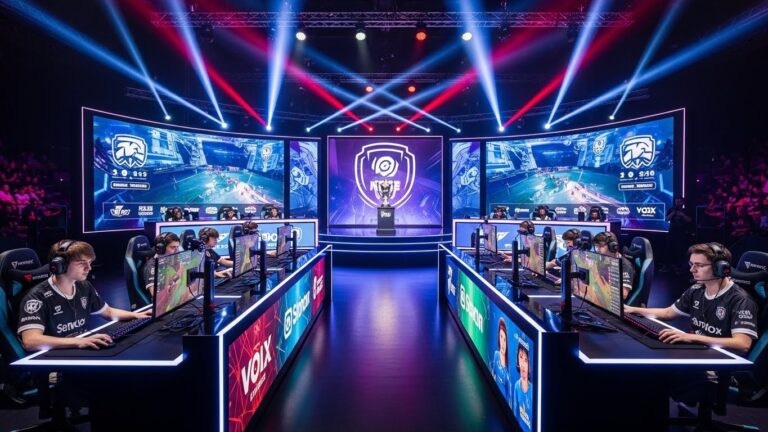
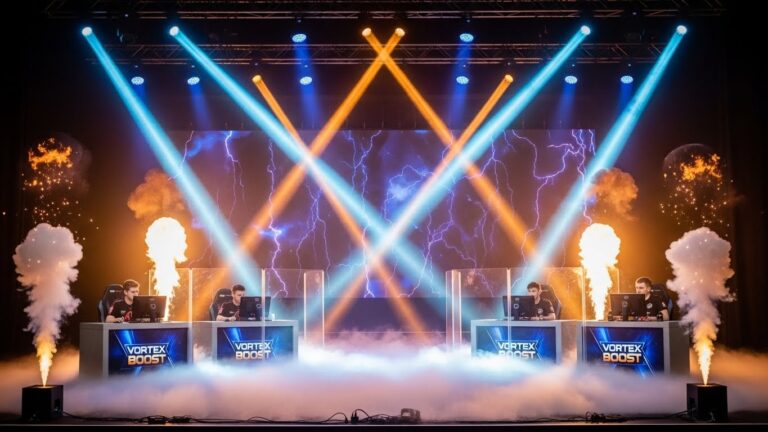
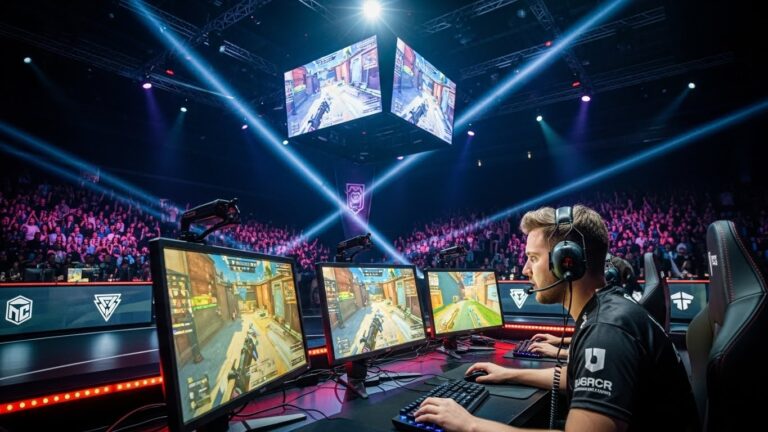
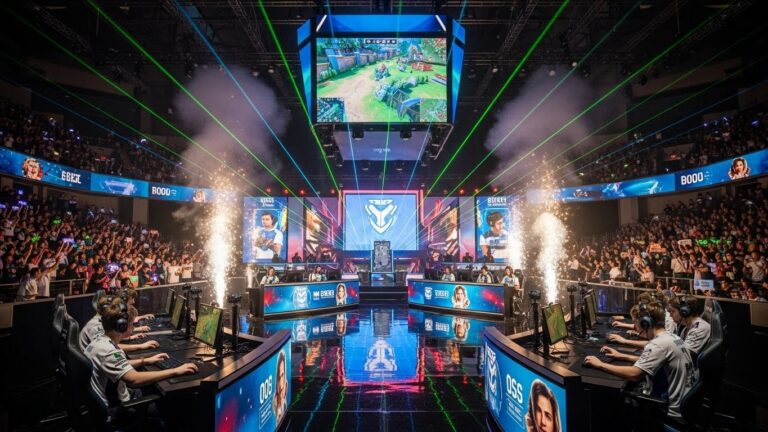
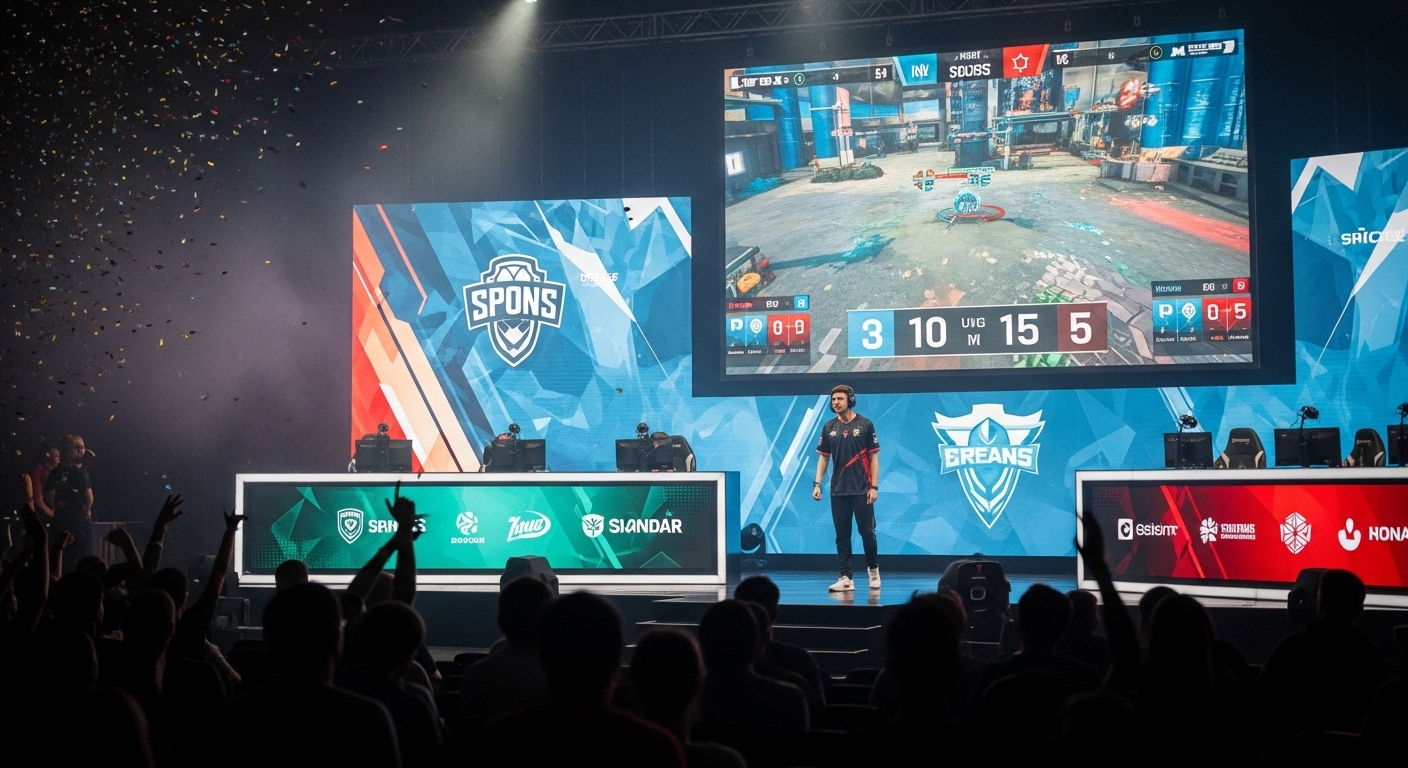
The evolution of Esports venues has mirrored that of traditional sports. Early tournaments were hosted in small hotel halls or online streams, but now major competitions fill arenas like Madison Square Garden and the Staples Center. The energy of live crowds, complete with cheering fans and dramatic stage setups, amplifies the intensity of matches. Esports events combine entertainment, light shows, and digital storytelling to create immersive experiences that rival any concert or sporting event.
The Role of Technology in Esports Evolution
Technology remains the beating heart of Esports. High-performance computers, ultra-fast internet, and advanced graphics cards ensure flawless gameplay and broadcast quality. Artificial intelligence helps analyze player strategies, while VR and AR are beginning to enhance spectator experiences. Cloud gaming and 5G technology promise to make Esports more accessible than ever, removing barriers to entry for both players and fans.
Esports and the Media Landscape
Media companies have recognized the power of Esports to attract younger audiences. Television networks and streaming giants now compete for broadcasting rights, while dedicated Esports news outlets and commentators have emerged. Social media amplifies every highlight, meme, and controversy, ensuring that Esports maintains a constant presence in online culture. The narrative of a player’s rise, the heartbreak of a near miss, and the thrill of championship victory resonate deeply with audiences who crave emotional storytelling.
Sponsorships and Brand Partnerships
The modern Esports ecosystem thrives on sponsorships. Brands once skeptical of gaming now see it as one of the most effective marketing tools for reaching younger demographics. Partnerships extend beyond tech companies — from energy drinks to fashion lines and even car manufacturers. These collaborations elevate Esports’ image and inject capital that funds tournaments, player salaries, and production quality.
Esports and Traditional Sports: A Converging Future
The boundary between Esports and traditional sports continues to blur. Major sports organizations such as the NBA, NFL, and FIFA have launched Esports divisions, merging virtual competition with real-world athletic branding. Some argue that Esports should be recognized as an Olympic sport, citing its global reach and structured competition. Whether or not it joins the Olympics, Esports already enjoys a level of legitimacy and fan devotion once unimaginable for digital games.
The Impact of Esports on Youth and Society
Esports has redefined how younger generations perceive success and entertainment. Instead of idolizing only musicians or athletes, today’s youth look up to streamers, casters, and pro gamers. This cultural shift has also raised debates about screen time, addiction, and mental health, urging parents and educators to strike a balance between gaming passion and healthy lifestyles. Nevertheless, the teamwork, communication, and strategy skills learned through Esports often translate into valuable real-world abilities.
Diversity and Inclusion in Esports
While Esports is global, it has faced challenges with representation. Historically, male players dominated the scene, but initiatives promoting women and non-binary gamers are gaining traction. Organizations are working to create safer and more inclusive spaces, while mixed-gender tournaments and female-focused leagues continue to expand. Representation from different regions, languages, and cultures enriches the competitive environment, pushing the industry toward a more equitable future.
Esports Broadcasting and the Spectator Experience
Watching Esports is an experience in itself. Professional commentary, instant replays, and dynamic overlays make complex games accessible to new audiences. The excitement of a close match, the roar of the crowd, and the precision of digital strategy create a unique form of entertainment. Production values have soared, with cinematic storytelling and AR-enhanced visuals that turn matches into global spectacles.
Challenges Facing the Esports Industry
Despite its success, Esports faces growing pains. Issues such as player exploitation, inconsistent regulations, doping scandals, and match-fixing threaten credibility. Additionally, the rapid pace of game updates and shifting popularity make it difficult to maintain stability. Mental health and work-life balance remain concerns, as young players face immense pressure under constant public scrutiny. The industry’s sustainability depends on ethical management, fair governance, and player protection.
The Future of Esports: Innovation and Integration
Looking ahead, Esports will continue to evolve alongside technology. Virtual reality tournaments, AI-driven training tools, and cross-platform accessibility will reshape the scene. Mobile Esports, especially in regions like Southeast Asia and India, is already dominating markets once limited by PC gaming. Blockchain technology and digital ownership may also transform how players earn from skins, collectibles, and digital merchandise. The integration of Esports into mainstream entertainment — including film, fashion, and education — ensures its place as a cornerstone of modern culture.
Conclusion: The Legacy of Esports
Esports is no longer a subculture; it is a global phenomenon that represents the intersection of technology, competition, and community. What began as a pastime for a niche group of gamers has evolved into a structured, celebrated, and influential industry. It embodies the essence of the digital age — borderless, innovative, and constantly evolving. The rise of Esports marks more than just the success of gaming; it reflects humanity’s drive to connect, compete, and create. As it continues to expand, Esports stands as a testament to how passion and technology can unite millions under the same digital arena, forever changing how the world plays and watches games.
About the Author