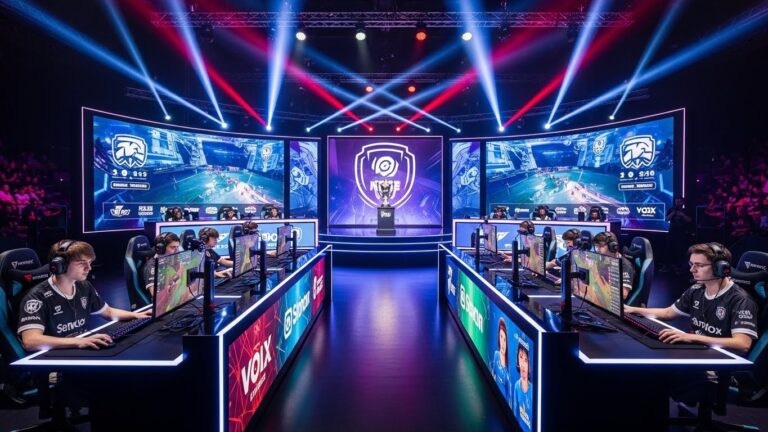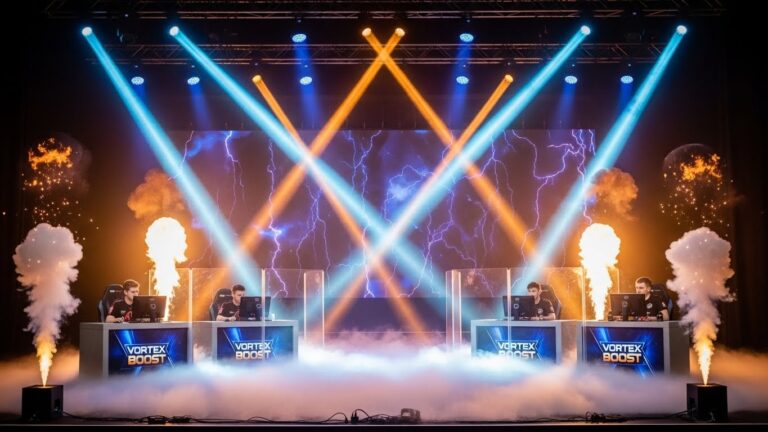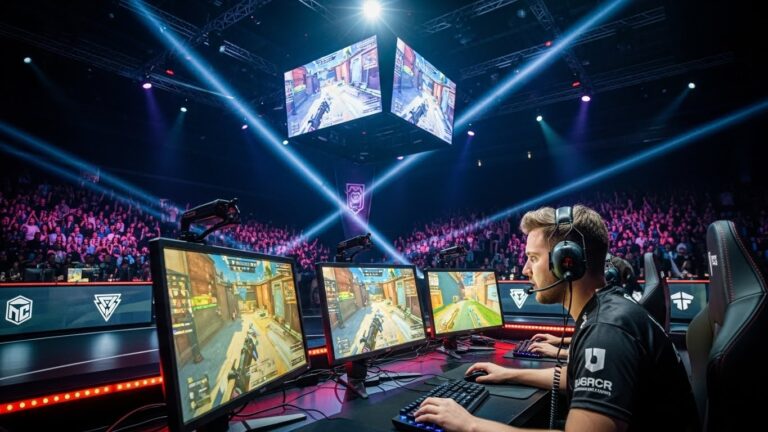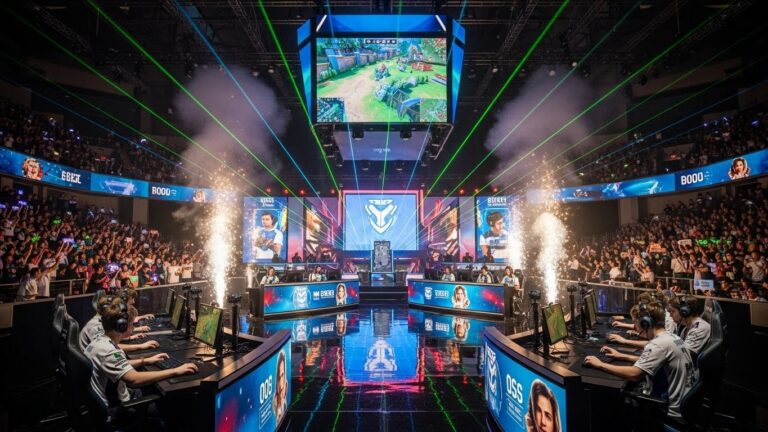
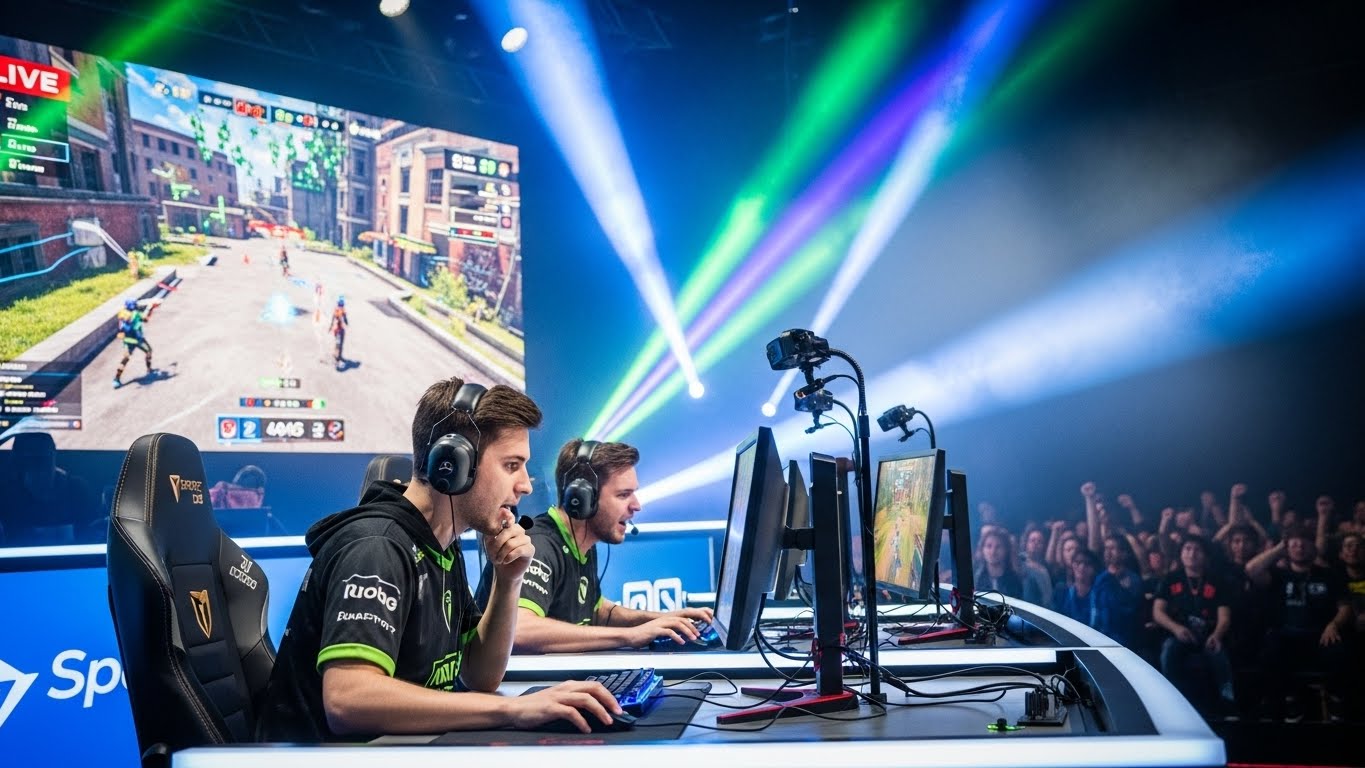
In the past decade, esports has surged from a niche hobby into a mainstream phenomenon, captivating millions of viewers worldwide and transforming the landscape of entertainment. Esports, or competitive video gaming, is no longer just about casual gaming in your living room—it has evolved into a global industry with massive tournaments, professional players, and sponsorships from top-tier brands. The rapid rise of esports has reshaped how we perceive gaming, competition, and even sports culture as a whole. In this blog post, we’ll explore how esports rose to prominence, its impact on global entertainment, and where the industry is headed in the future.
1. The Origins of Esports: From Basement Tournaments to Global Competitions
Esports may seem like a recent phenomenon, but its roots stretch back decades. The concept of competitive gaming can be traced to the 1970s, when games like Spacewar and Pong first sparked the interest of gamers looking to compete against one another. However, it wasn’t until the late 1990s and early 2000s that esports began to gain a more serious foothold.
The early days of esports were dominated by local tournaments, often held in LAN (Local Area Network) parties. These were informal gatherings where gamers would come together to play multiplayer games like Quake and Warcraft. These events were a precursor to the large-scale, highly organized competitions that would follow in the coming years.
The first real milestones in esports came with the creation of professional gaming leagues and tournaments. The World Cyber Games, which began in 2000, and the Electronic Sports World Cup (ESWC), launched in 2003, were among the first events to bring together top-tier players from around the world. These tournaments offered cash prizes and broadcasted matches, beginning to establish competitive gaming as an international spectacle.
2. The Rise of Streaming Platforms: Bringing Esports to the Masses
One of the biggest catalysts behind the meteoric rise of esports was the development of streaming platforms. In 2011, Twitch was launched, providing a platform for gamers to live-stream their gameplay and interact with viewers in real-time. This shift allowed esports to evolve from an underground activity to a globally accessible entertainment form.
Streaming platforms allowed esports to reach millions of fans without requiring the traditional broadcast channels of television or cable networks. Gamers could watch live tournaments, follow their favorite players, and even interact with the community via chat functions. This was a game-changer for esports, as it provided a platform for not just players, but fans to engage with the content directly.
The combination of live broadcasts, fan interactions, and the ability for players to build personal brands through streaming made esports an attractive medium for advertisers and sponsors. It wasn’t long before companies saw the massive potential of reaching a young, tech-savvy audience through esports events. This shift also allowed esports to grow beyond just the professional scene and become a central part of popular culture.
3. Esports as a Career: Professional Players, Teams, and Salaries
As esports gained visibility and popularity, it began to take on a more professional structure. What was once a hobby for a dedicated few soon became a legitimate career option for talented players. Professional gaming organizations and teams began to form, providing players with contracts, salaries, and the support they needed to compete at the highest level.
These teams have sponsors and endorsements from major brands like Red Bull, Intel, and Nike, signaling that esports has moved into the mainstream of global sports. Top esports players now make millions of dollars, not just from tournament winnings, but also from sponsorship deals, streaming, and merchandise sales.
The most successful esports players have become celebrities in their own right, with massive fan followings on platforms like Twitch, YouTube, and social media. Some, like Ninja (Tyler Blevins) and Shroud (Michael Grzesiek), have crossed over into mainstream entertainment, appearing on television shows, advertisements, and even collaborations with non-gaming brands.
In fact, esports has created an entirely new ecosystem of careers, extending beyond just players to include coaches, analysts, shoutcasters (commentators), team managers, and even event organizers. Esports is now an industry with many different roles, all contributing to its ever-expanding growth.
4. The Explosion of Esports Titles: From MOBAs to Battle Royales
One of the driving forces behind the success of esports is the ever-growing variety of game titles that have found a home in competitive gaming. While early esports tournaments were focused on strategy games like Warcraft III and StarCraft, the modern landscape of competitive gaming is far more diverse.
Multiplayer Online Battle Arenas (MOBAs) like League of Legends and Dota 2 have become some of the most popular and enduring esports titles. These games are deeply strategic, requiring teamwork, coordination, and skillful execution to succeed. The global success of League of Legends, which hosts an annual World Championship, has solidified its place as one of the most-watched and most-played games in the world.
Another genre that has exploded in the esports scene is the battle royale genre, with games like Fortnite and PlayerUnknown’s Battlegrounds (PUBG). These games are known for their high-stakes, fast-paced action, and have garnered massive followings. Fortnite, in particular, has transcended the gaming world and become a cultural phenomenon, attracting millions of players and viewers to its esports competitions.
First-person shooters (FPS) like Counter-Strike: Global Offensive and Overwatch have also become major players in the esports scene, with competitive leagues and international tournaments drawing in huge audiences. The variety of game genres available for esports competition ensures that there is something for every type of gamer, whether they prefer strategy, action, or fast-paced combat.
5. Esports in the Mainstream: From Television to Sponsorships
As esports has grown, it has caught the attention of major traditional media outlets. Networks like ESPN, Turner Sports, and others have started broadcasting esports tournaments, bringing competitive gaming into the homes of mainstream audiences. The presence of esports on major sports networks is a testament to the increasing legitimacy of competitive gaming as a professional sport.
In addition to traditional sports networks, esports has secured high-profile sponsorships and brand deals. Companies from a variety of industries, including technology, energy drinks, apparel, and even automotive brands, are investing heavily in esports. In fact, esports sponsorships are now worth billions of dollars annually. For example, esports teams often wear branded jerseys and showcase sponsor logos during matches, while large tournament organizers sell sponsorships for in-game advertising and broadcast rights.
The increasing financial backing from major companies has allowed esports to expand its infrastructure, creating larger prize pools, better production quality for events, and more opportunities for players and fans alike. Esports sponsorships, media rights deals, and ticket sales all contribute to the growing economic impact of the industry.
6. The Global Reach of Esports: A Worldwide Community
Esports has become truly global in scope. With major tournaments held across different continents and millions of fans tuning in to watch events, competitive gaming has become a global spectacle. Players and teams come from every corner of the globe, from North America and Europe to China, Korea, and Brazil. This diversity in participants helps build a global esports community that transcends borders and language barriers.
For instance, the League of Legends World Championship attracts millions of viewers from across the globe, with viewers tuning in from different time zones to watch their favorite teams battle it out. Similarly, The International, the annual Dota 2 tournament, is known for its enormous prize pool and its global appeal, with fans from all over the world participating in the event, either in-person or online.
The global nature of esports has also led to the formation of international leagues and competitions, where top teams from different regions compete against each other for dominance. This international aspect has helped esports achieve a level of cultural relevance that traditional sports have only recently begun to recognize.
7. The Future of Esports: A Growing Industry with Limitless Potential
The future of esports is filled with promise. As technology continues to advance, the esports industry will only grow. Virtual reality (VR) and augmented reality (AR) may become a part of the next generation of esports, offering players and fans new ways to engage with the competitive gaming experience. New gaming platforms, faster internet connections, and innovations in broadcasting will continue to make esports more immersive and accessible.
One area that is expected to play a crucial role in esports’ future is mobile gaming. Mobile esports is rapidly expanding, especially in regions like Asia, where mobile games like Arena of Valor and PUBG Mobile are already gaining a competitive following. As smartphones continue to improve in terms of performance and connectivity, mobile esports is expected to attract even more players and viewers.
The inclusion of esports in mainstream events such as the Asian Games and potential consideration for the Olympic Games signifies the growing recognition of esports as a legitimate sport. As younger generations continue to embrace gaming, the demand for competitive gaming experiences will only increase, making esports an integral part of the global entertainment ecosystem.
Conclusion: Esports Is Here to Stay
Esports has evolved from a niche hobby to a global entertainment powerhouse, revolutionizing the way we view gaming and competition. With millions of players, fans, and viewers around the world, competitive gaming has become a force to be reckoned with. As the industry continues to grow, so too will its impact on the world of sports, entertainment, and technology. Esports is not just a passing trend—it is a revolution that is here to stay, and its future looks brighter than ever. Whether you’re a hardcore gamer, a casual fan, or just curious about the esports phenomenon, one thing is clear: the rise
About the Author