Introduction: The Rise of Esports
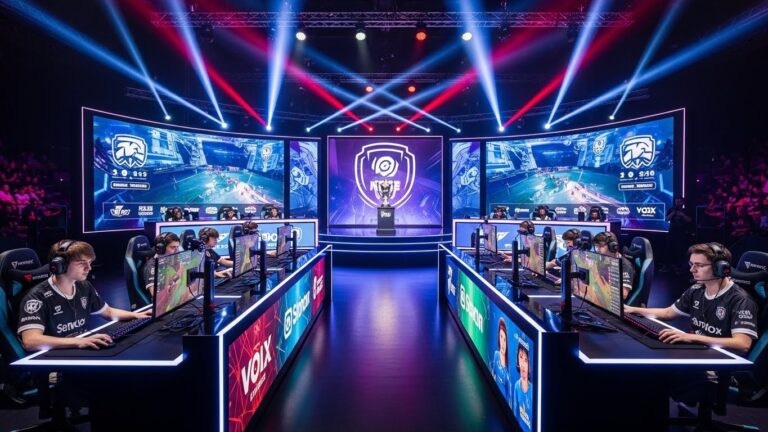
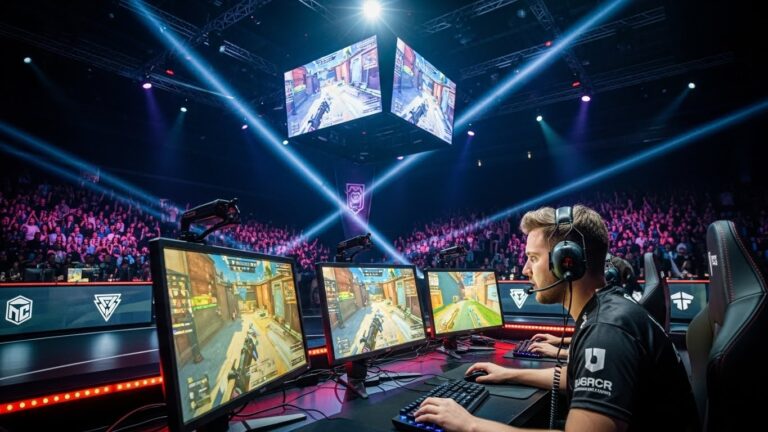
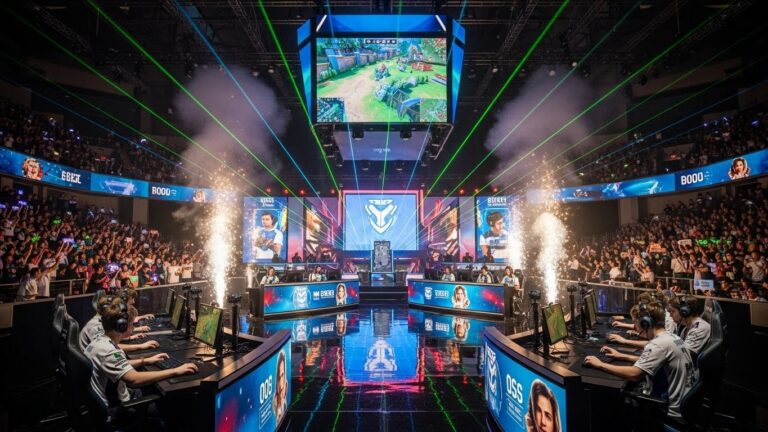
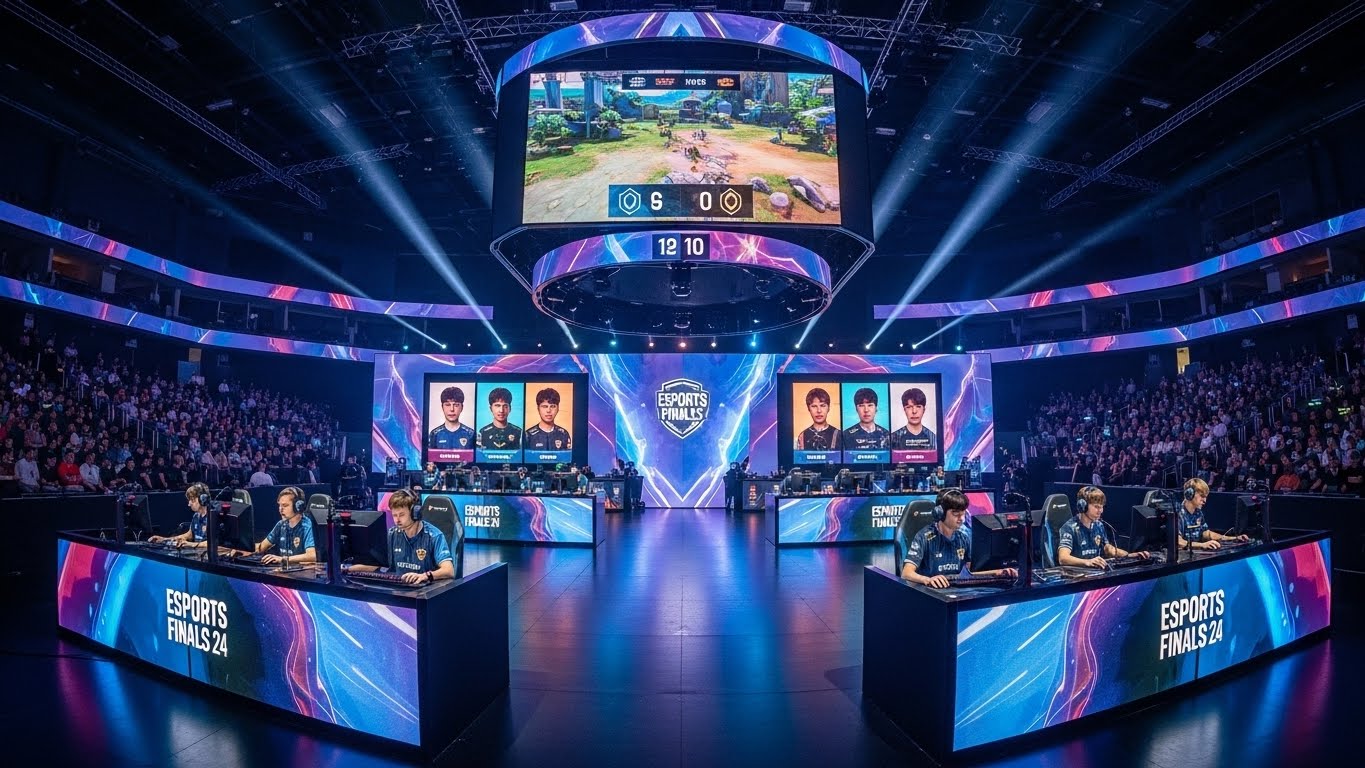
In recent years, esports has emerged as one of the most dynamic and rapidly growing sectors of entertainment. Once considered a niche hobby, competitive gaming has transformed into a global phenomenon with professional leagues, massive audiences, and lucrative prize pools. The growth of esports reflects not only advancements in technology but also a shift in how people perceive competition, community, and entertainment. From casual gaming in basements to sold-out arenas and millions of online viewers, esports represents a digital evolution of traditional sports.
The Origins of Competitive Gaming
The history of esports can be traced back to the late 1970s and 1980s when arcade games became a central part of youth culture. Games like Space Invaders, Pac-Man, and Donkey Kong encouraged players to achieve the highest scores, creating informal competitive scenes. By the 1990s, multiplayer PC games such as Doom, Quake, and StarCraft introduced structured competition and early professional tournaments. Local area networks allowed players to compete in organized matches, and these events set the foundation for esports as we know it today.
The expansion of the internet in the 2000s accelerated this evolution. Online multiplayer games made global competition possible, connecting players from different countries in real time. Early tournaments began to formalize rules, scoring systems, and prize incentives, which encouraged skill development and attracted growing audiences.
The Role of Streaming in Esports Popularity
Live streaming has been a pivotal factor in the rise of esports. Platforms that allow gamers to broadcast their gameplay to a global audience have transformed esports from a niche activity into mainstream entertainment. Viewers can now watch professional players compete, interact with streamers, and enjoy commentary and analysis, all from the comfort of their homes.
Streaming has also created opportunities for personalities beyond professional athletes. Entertaining commentators, content creators, and analysts have helped expand esports’ reach, making it accessible to those who might not be avid gamers but enjoy the spectacle and strategy of competitive play. Streaming platforms have enabled esports to grow faster than traditional sports in some ways, providing continuous content and global engagement.
Popular Esports Genres and Games
Esports encompasses a wide variety of game genres, each with unique competitive dynamics and fan bases.
Multiplayer Online Battle Arena Games
Games like League of Legends and Dota 2 dominate the MOBA genre. They require strategic thinking, coordination, and teamwork, with each match offering complex challenges that appeal to both players and viewers. These games are known for massive international tournaments with multi-million-dollar prize pools.
First-Person Shooter Games
Titles such as Counter-Strike, Valorant, and Overwatch emphasize precision, speed, and tactical coordination. FPS games attract audiences who enjoy fast-paced action and high-stakes competition. Professional teams train extensively to perfect their strategies and aim, making matches both thrilling and unpredictable.
Battle Royale and Mobile Games
The battle royale format, popularized by Fortnite and PUBG, combines survival, combat, and strategy in large-scale matches. Mobile esports games like Mobile Legends and PUBG Mobile have expanded competitive gaming to regions where mobile devices are more accessible than high-end PCs. These games demonstrate that esports is not limited to any single platform and can engage players worldwide.
Professionalization of Esports
Esports has developed structures similar to traditional sports. Professional teams recruit talent, provide coaching, and establish rigorous training regimens. Players often practice for many hours daily, refining individual skills and perfecting team coordination.
Coaches, analysts, and performance experts play essential roles in strategy development and skill optimization. Nutritionists and mental health professionals are increasingly part of professional teams, reflecting the industry’s focus on long-term player well-being. This professionalization has helped elevate esports, challenging outdated perceptions of gaming as purely recreational.
The Economics of Esports
The esports industry has grown into a multi-billion-dollar ecosystem with diverse revenue streams. Sponsorships from global brands, media rights deals, tournament winnings, merchandise, and in-game purchases all contribute to its financial success. Major tournaments now offer prize pools worth millions, drawing worldwide attention and increasing the value of professional players.
Organizations generate income through media partnerships, streaming rights, and live events. The industry’s profitability has attracted investors, leading to further expansion of tournaments, facilities, and esports infrastructure. As a result, esports has become not only an entertainment phenomenon but also a viable career path for players, coaches, content creators, and management professionals.
The Community and Culture of Esports
One of esports’ greatest strengths is its community. Online platforms allow fans to engage directly with players, share strategies, and participate in discussions about the games they love. Unlike traditional sports, esports communities are often global, diverse, and inclusive, uniting people from different cultures through shared passion.
The culture of esports emphasizes creativity, problem-solving, and collaboration. Fans participate in content creation, from streaming to fan art and tutorials, contributing to a vibrant ecosystem that goes beyond competition. Esports has become a cultural phenomenon where players and fans alike shape trends and influence the direction of the industry.
Education and Career Opportunities
Esports has opened doors to education and professional opportunities beyond playing games. Universities now offer esports scholarships, degree programs, and campus clubs, allowing students to study game design, management, broadcasting, and marketing.
Career paths in esports are diverse, including coaching, analysis, journalism, event production, content creation, and team management. The industry’s growth has created a wide range of opportunities for those with skills in technology, media, and communication, proving that esports is not limited to professional play but offers a broad and sustainable career ecosystem.
Challenges Facing the Esports Industry
Despite its growth, esports faces challenges. Player burnout is common due to demanding practice schedules, high-pressure competition, and travel commitments. Maintaining mental health and balanced routines is essential for sustaining long-term careers.
Regulation is another issue. Ensuring fair competition, preventing cheating, and establishing standardized rules are ongoing concerns. Financial instability can affect organizations when popular games lose momentum or sponsorships fluctuate. Addressing these challenges is crucial to maintaining the credibility and sustainability of the esports industry.
The Future of Esports
The future of esports is promising. Emerging technologies such as virtual reality, augmented reality, and cloud gaming have the potential to redefine competitive play. Global infrastructure improvements will expand access, allowing more people to participate and spectate.
Esports is increasingly intersecting with traditional sports. Professional sports organizations are investing in teams, hybrid tournaments are emerging, and cross-industry collaborations are becoming more common. As esports gains recognition and continues to innovate, it is likely to remain a dominant force in digital entertainment for years to come.
Conclusion: Esports as a Global Phenomenon
Esports has transformed from a hobbyist pursuit into a professional and cultural powerhouse. Its growth has been fueled by technology, community engagement, and professionalization, making it a global industry with millions of fans and participants. Beyond competition, esports represents creativity, collaboration, and the potential of digital entertainment to shape culture.
From grassroots competitions to international tournaments, esports continues to redefine how people play, watch, and engage with games. The industry’s trajectory suggests that esports is not only here to stay but will continue to expand, innovate, and inspire future generations of players and fans alike.
About the Author