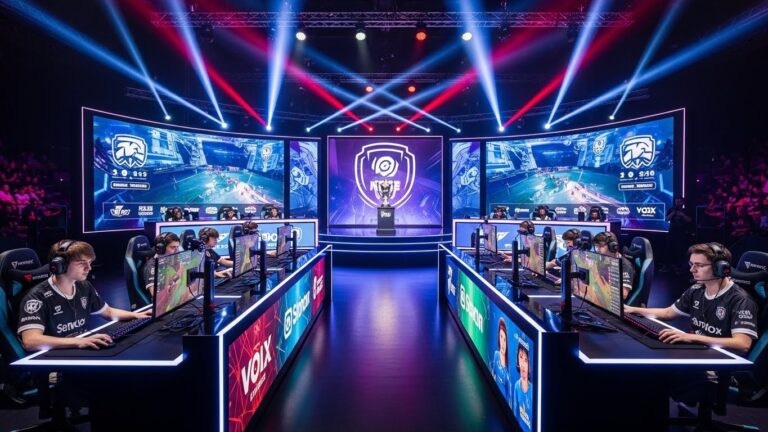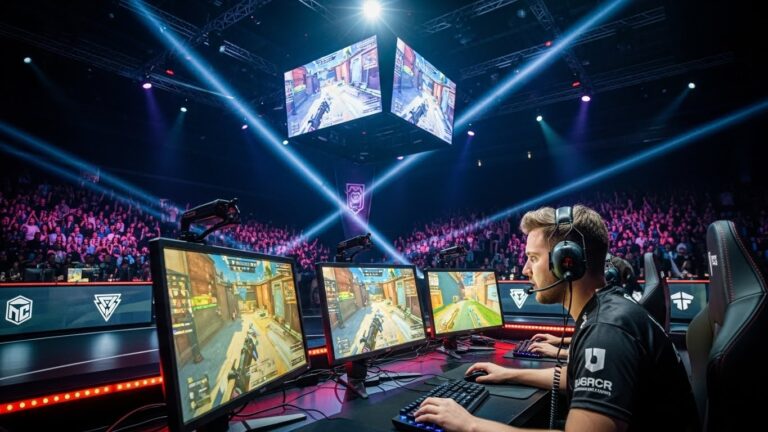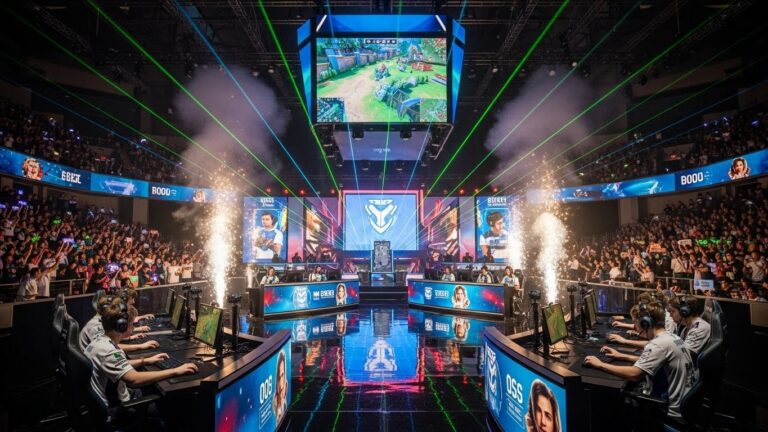
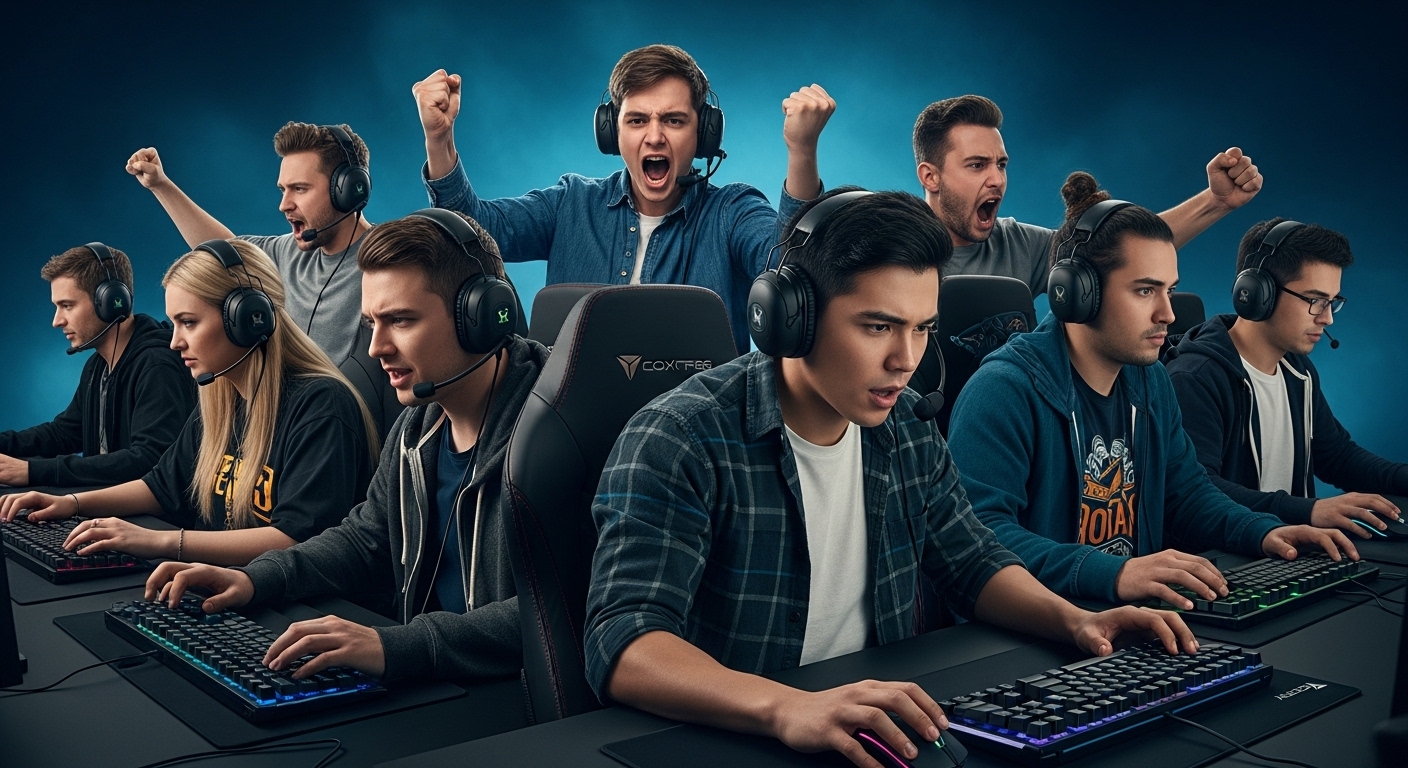
Esports has rapidly evolved from a niche hobby into a global phenomenon, transforming the way we perceive gaming, competition, and entertainment. Combining skill, strategy, and technology, esports has become a professional arena where players and teams compete at the highest level.
What is Esports?
Esports, or electronic sports, refers to competitive video gaming where individuals or teams face off in structured tournaments. Unlike casual gaming, esports requires advanced skills, quick reflexes, teamwork, and strategic thinking.
Popular esports games span multiple genres, including first-person shooters, multiplayer online battle arenas, real-time strategy, and sports simulations. Each game tests mental agility, coordination, and tactical decision-making, turning gaming into a serious competitive sport.
The Rise of Competitive Gaming
Over the past decade, esports has seen exponential growth. High-speed internet, advanced gaming hardware, and streaming platforms have made competitive gaming accessible to millions around the world.
Major tournaments now attract global audiences, with millions watching live streams and events online. Professional leagues, sponsorships, and media coverage have further cemented esports as a legitimate form of entertainment and career path.
Popular Esports Titles
Several games have dominated the esports landscape due to their competitive depth and global fanbase:
- League of Legends: Known for team strategy and international tournaments.
- Dota 2: Famous for high-stakes competitions and tactical gameplay.
- Counter-Strike: Global Offensive: A shooter that emphasizes precision and teamwork.
- Fortnite: Combines fast-paced combat with creative building mechanics.
- Call of Duty: Popular for competitive multiplayer battles.
These titles have created professional leagues and large fan communities, fueling the growth of esports worldwide.
Career Opportunities in Esports
Esports offers diverse career paths beyond being a professional player. Gamers can earn through tournament winnings, streaming, sponsorships, coaching, and content creation. Additionally, roles like analysts, commentators, and event organizers are now integral parts of the esports ecosystem.
Educational institutions have also started offering esports programs, equipping aspiring professionals with skills in strategy, teamwork, and digital communication.
The Impact of Streaming Platforms
Streaming platforms have played a pivotal role in esports’ popularity. They allow fans to watch live tournaments, follow favorite players, and engage with global gaming communities. Influencers and content creators contribute by sharing tutorials, match highlights, and commentary, further expanding esports’ reach.
Benefits of Esports
Esports provides more than entertainment. It enhances strategic thinking, problem-solving, focus, and hand-eye coordination. Players develop teamwork skills, perform under pressure, and learn decision-making techniques that are valuable beyond gaming.
Unlike many traditional sports, esports is inclusive and accessible, allowing people of various physical abilities to compete equally.
The Future of Esports
The future of esports is promising and full of innovation. Emerging technologies such as virtual reality, augmented reality, and cloud gaming will create more immersive experiences. Global tournaments, educational programs, and professional leagues will continue to expand the esports ecosystem.
Esports is no longer just a pastime—it is a cultural movement shaping entertainment, technology, and competitive sports.
Conclusion
Esports has transformed gaming into a professional, global spectacle. Combining strategy, skill, and community, it offers a new way for people to engage with games and each other. With continuous innovation, growing audiences, and professional opportunities, esports is set to remain a defining force in the world of entertainment for years to come.
About the Author