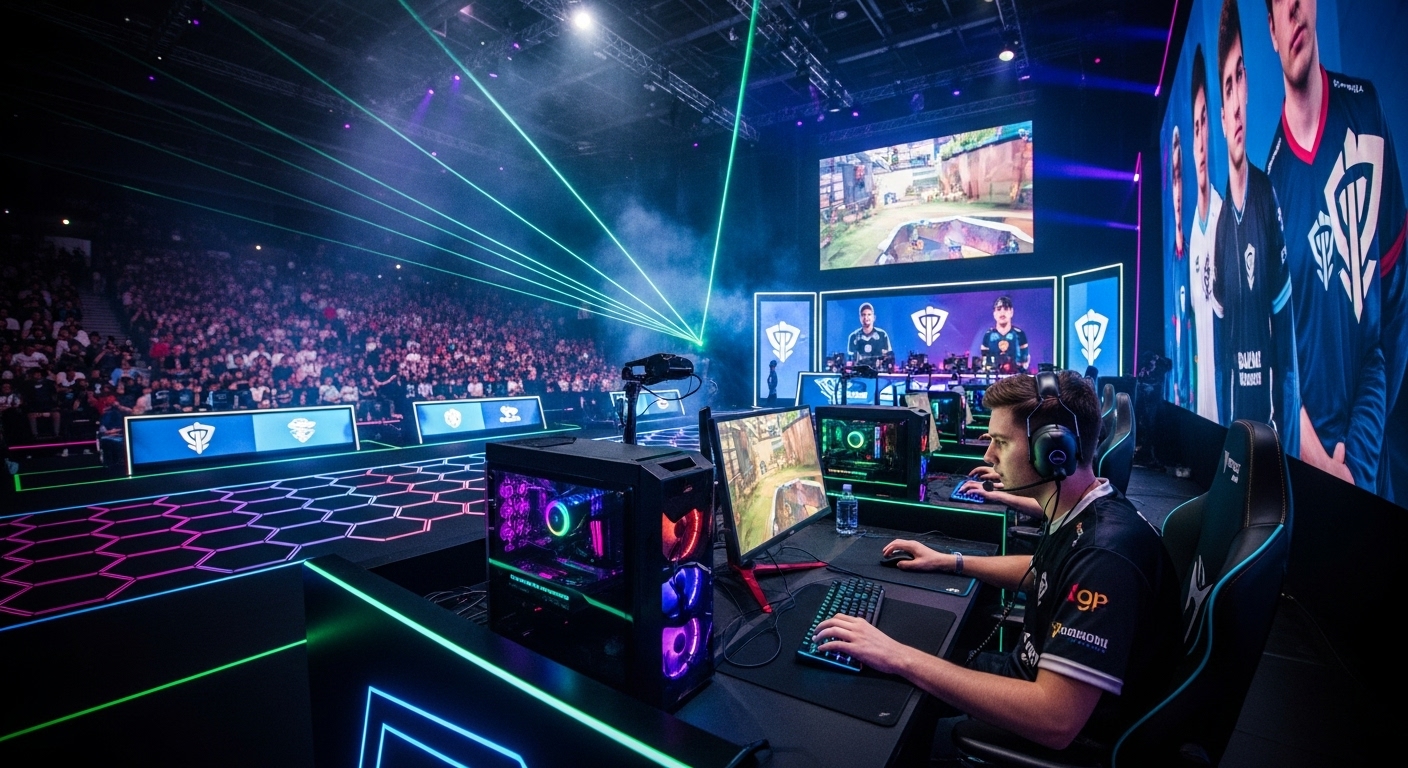
Introduction: The Emergence of Esports
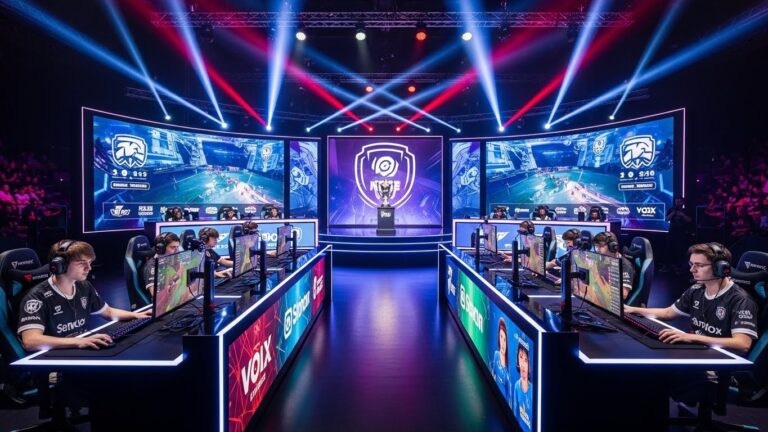
Esports, or electronic sports, has quickly become a cultural and economic powerhouse. What once began as a niche activity, enjoyed by a small group of gamers, has evolved into a global phenomenon. With millions of fans tuning in to watch online tournaments and top-tier competitions, esports is now a multi-billion-dollar industry. It has transformed the way we think about sports, entertainment, and digital culture. As more people engage with esports, it’s clear that this new era of competition is here to stay.
What Exactly is Esports?
At its core, esports involves professional-level video game competitions. These competitions are typically organized around multiplayer games, where players or teams compete against one another for prestige, prizes, and sponsorships. The games themselves vary widely, ranging from strategy-based games like League of Legends and Dota 2 to fast-paced shooters like Counter-Strike: Global Offensive and Valorant. Esports spans across genres and platforms, attracting players and fans from every corner of the globe. Unlike casual gaming, esports requires skill, dedication, and strategic thinking to succeed at the highest level.
The Evolution of Esports Careers
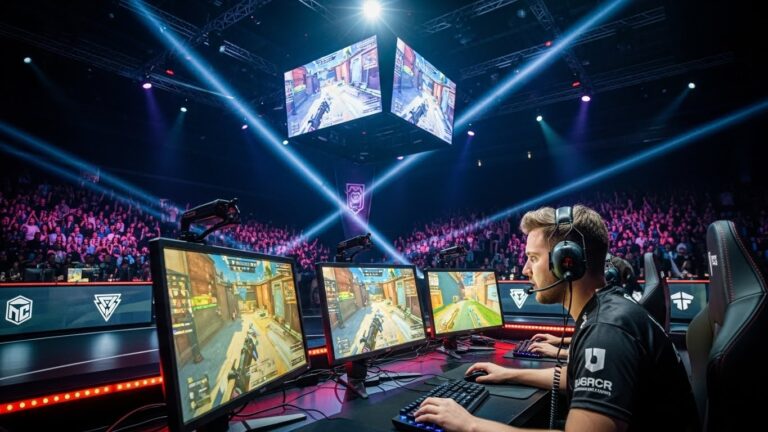
In the early days, esports was something you did in your free time, not a full-time profession. However, the landscape has shifted dramatically. Today, being an esports player is a legitimate career. Professional players spend hours training, refining their strategies, and competing in tournaments. Just like athletes in traditional sports, they have coaches, analysts, and support teams to help them improve. There’s also the rise of “esports influencers” who stream their gameplay on platforms like Twitch and YouTube, making a living by building large, dedicated audiences. For many, esports is more than just a game—it’s a full-time profession with the potential for fame and fortune.
The Role of Streaming in Esports
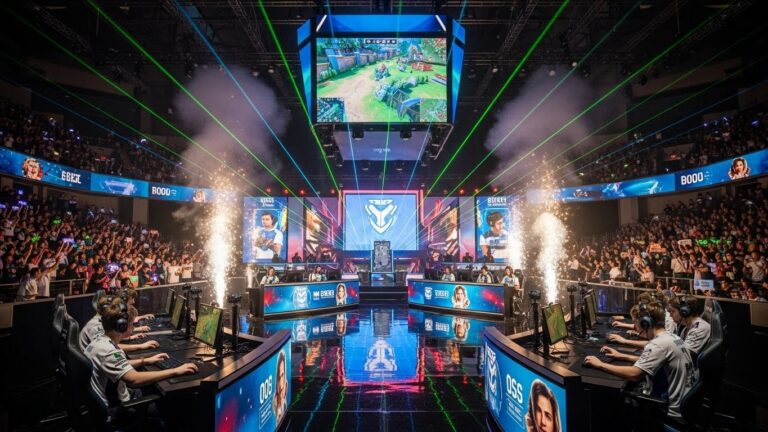
One of the major driving forces behind esports’ rapid rise has been the growth of live streaming platforms. Services like Twitch, YouTube Gaming, and Facebook Gaming have allowed fans to watch their favorite players in real-time, creating a unique form of interaction between players and their audiences. Esports broadcasts are now watched by millions globally, with some tournaments attracting viewership numbers comparable to major sports events like the Super Bowl or World Cup finals. The ability for fans to engage directly with players, ask questions, and interact with the community has helped make esports a highly social and interactive experience.
Esports as a Multi-Billion Dollar Industry
Esports has proven to be a profitable venture, with billions of dollars generated from sponsorships, advertising, ticket sales, and merchandise. Major brands like Coca-Cola, Intel, and Nike have invested heavily in esports, seeing it as a valuable marketing tool to reach younger, tech-savvy audiences. Major esports tournaments have prize pools that can reach into the millions of dollars, attracting the best players and teams from around the world. The success of esports has also led to a surge in esports-related businesses—such as gaming hardware manufacturers, media companies, and event organizers—that help fuel the industry’s growth.
Esports and Its Global Impact
One of the most exciting aspects of esports is its ability to transcend borders. With online streaming, anyone, anywhere in the world, can tune in to watch a tournament, learn from their favorite players, or be inspired to compete themselves. Esports is a truly global phenomenon that brings together people from different cultures, backgrounds, and languages. This international reach has made esports an important cultural force, with competitive gaming becoming a shared experience for millions worldwide. Furthermore, the growth of esports has paved the way for other digital entertainment industries, such as online casinos and virtual reality gaming, to develop and thrive.
Challenges in Esports
Despite its rapid success, the esports industry faces its share of challenges. Player burnout is one of the most pressing issues. Professional esports players are often under immense pressure to perform, with tournament schedules that can lead to long hours of training and competing. Mental health issues like anxiety and depression are becoming more prevalent among players, as the constant demand for success takes a toll. Additionally, the industry has struggled with issues such as cheating, match-fixing, and the lack of uniform regulations, which can undermine the integrity of competitions. As the esports industry grows, addressing these challenges will be key to ensuring its long-term sustainability.
The Future of Esports
Looking ahead, the future of esports seems brighter than ever. New technological advancements, such as virtual reality (VR) and augmented reality (AR), could revolutionize the way games are played and watched. Esports may become even more immersive, offering fans the chance to experience tournaments in entirely new ways. Additionally, as esports continues to gain recognition, it could eventually be included in global sporting events like the Olympics. With an increasing number of universities offering esports scholarships and programs, the next generation of esports athletes is already being nurtured.
Conclusion: A New Age of Digital Competition
Esports is no longer just a pastime; it has become a legitimate, thriving industry that is redefining what it means to be a professional athlete in the digital age. The rapid growth of esports has brought new opportunities, challenges, and innovations, but one thing is certain: it is here to stay. As the industry continues to evolve, esports will only become more integrated into the fabric of global entertainment, inspiring new generations of gamers and fans alike. Whether you’re a player or a spectator, esports offers something for everyone—a chance to compete, connect, and celebrate the art of gaming.
About the Author