Introduction: The New Frontier of Sports
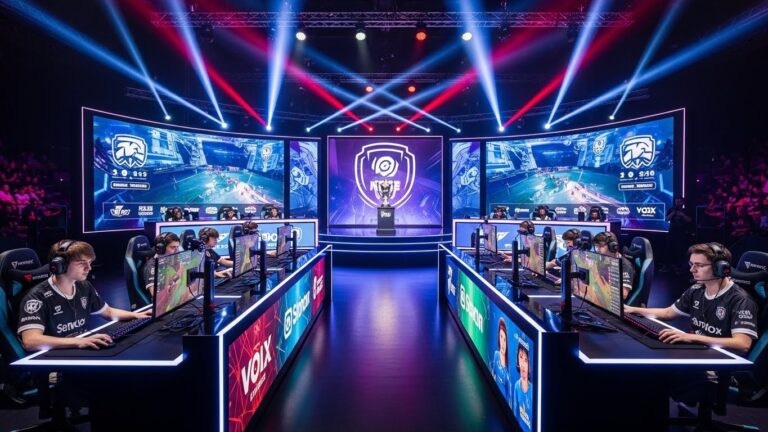
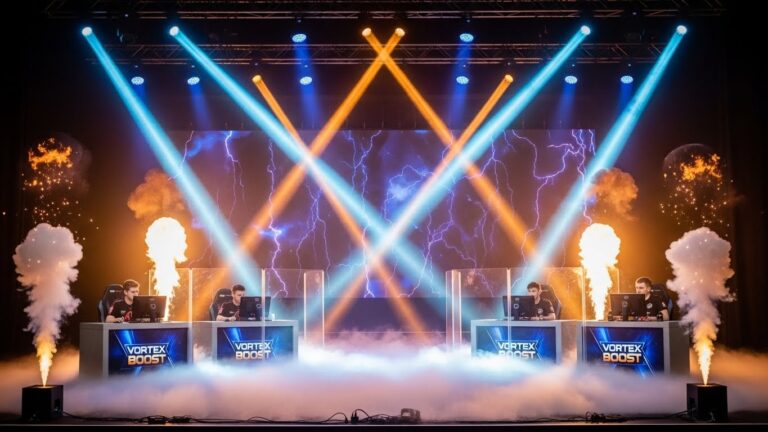
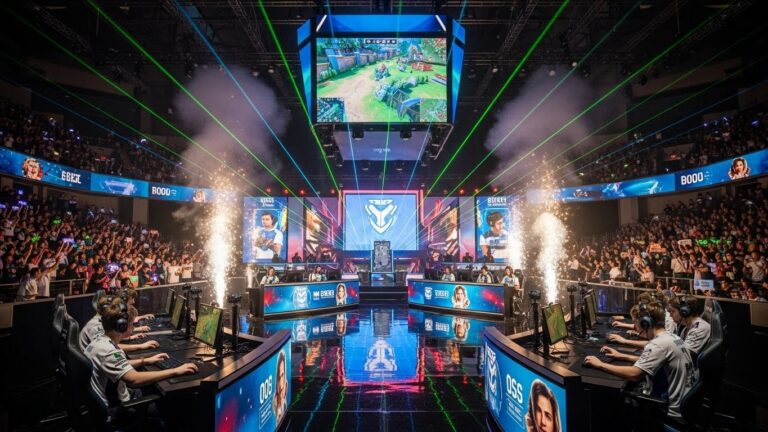
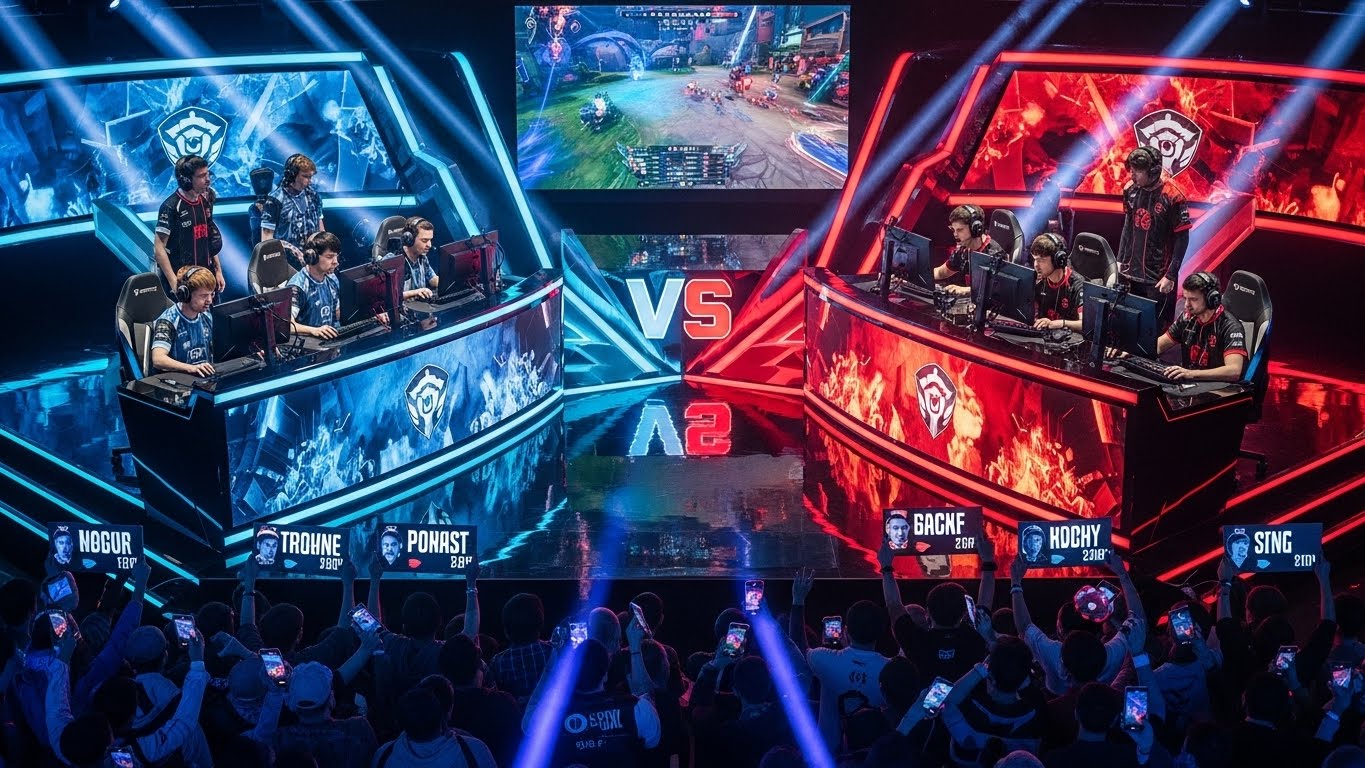
In the last decade, esports has transitioned from a niche hobby to a global phenomenon. Once confined to small groups of enthusiasts playing in basements, competitive gaming now fills stadiums, attracts millions of online viewers, and garners sponsorships from some of the world’s largest brands. Esports represents a new frontier in sports culture, blending technology, entertainment, and competition in ways traditional sports could not have imagined. The meteoric rise of esports reflects changes not just in gaming but in how society consumes entertainment and connects digitally.
The Origins of Esports
The roots of competitive gaming stretch back to the late 1970s and 1980s when arcade competitions began appearing in the United States and Japan. Titles like Space Invaders and Pac-Man laid the groundwork for organized contests, but it was not until the 1990s, with the advent of multiplayer PC games such as Quake and StarCraft, that esports began to take a recognizable shape. These early competitions were often informal, organized by universities or local gaming communities. However, they ignited a spark that would grow into an international phenomenon. By the 2000s, leagues and tournaments with professional structures emerged, setting the stage for the esports explosion.
The Structure of Modern Esports
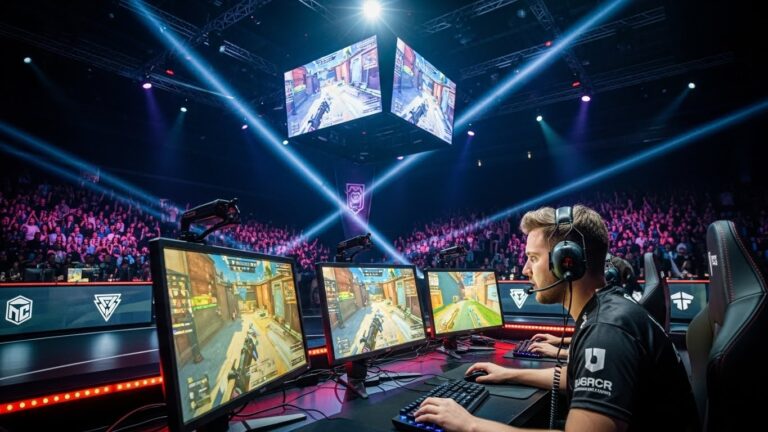
Today, esports is a highly organized industry with multiple layers. At the professional level, players often belong to established teams that provide training facilities, coaches, and analysts. These teams participate in leagues and tournaments that offer substantial prize pools, sometimes surpassing those of traditional sports. Popular games like League of Legends, Counter-Strike: Global Offensive, Dota 2, and Fortnite dominate competitive circuits, each with unique formats and fan bases. Amateur and semi-professional players also participate in local and online competitions, creating a pipeline that feeds talent into professional leagues.
Esports leagues operate with a structure similar to traditional sports, including regular seasons, playoffs, and world championships. Player rankings, performance metrics, and strategic analysis have become essential for success. Unlike traditional sports, however, esports allows for global competition without the constraints of physical travel. Online tournaments can attract international competitors with minimal logistical challenges, expanding the reach and diversity of competition.
Technology as the Backbone of Esports
The growth of esports is inseparable from advances in technology. High-speed internet, powerful gaming hardware, and sophisticated streaming platforms have made competitive gaming accessible to millions. Platforms like Twitch and YouTube Gaming allow players to broadcast matches in real-time, connecting fans with their favorite teams and personalities. Advanced analytics tools provide insights into player performance, helping teams refine strategies and giving fans a deeper understanding of gameplay. Virtual reality and augmented reality are also beginning to influence esports, potentially redefining immersive experiences and spectator engagement.
Moreover, technology enables esports to transcend geographical and social boundaries. Players from different continents can compete as if they were in the same arena, and fans can engage with live events from the comfort of their homes. This level of connectivity has fostered a global esports culture, uniting individuals through shared enthusiasm for games.
The Economic Impact of Esports
Esports is not just a cultural phenomenon—it is a booming industry. The global esports market is worth billions of dollars, with revenue streams from sponsorships, advertising, merchandise, ticket sales, and streaming. Major brands, from technology companies to energy drink manufacturers, recognize the marketing potential in esports. Sponsorship deals often exceed millions of dollars, signaling the industry’s commercial viability. Professional players can earn substantial incomes through tournament winnings, salaries, streaming, and endorsements, making esports a legitimate career path for many.
Furthermore, esports contributes to local economies through events and conventions. Cities hosting major tournaments experience boosts in tourism, hospitality, and related industries. Colleges and universities have also started offering scholarships for esports athletes, further legitimizing competitive gaming as an educational and professional pursuit.
Esports and the Culture of Competition
The culture of esports revolves around skill, strategy, and community. Unlike many traditional sports, esports emphasizes mental agility, quick reflexes, and teamwork. Players spend hours practicing mechanics, analyzing opponents, and mastering game strategies. Beyond the professional scene, casual gamers also participate in online communities, streaming, and content creation, contributing to a vibrant culture of participation and fandom.
Esports fandom is highly interactive. Fans do not just watch; they engage with players through live chats, social media, and fan-driven content. This interactivity creates a unique dynamic where spectators feel intimately connected to the competition. The sense of community is amplified by online forums, fan art, and collaborative events, which often blur the lines between players and audiences.
Challenges Facing Esports
Despite its rapid growth, esports faces several challenges. One of the primary issues is sustainability. Competitive gaming careers are often short, with players retiring in their twenties due to physical and mental strain. Maintaining long-term interest among fans and sponsors also requires constant innovation, as game popularity can fluctuate quickly. Additionally, the industry grapples with issues such as cheating, toxicity in online communities, and inconsistent regulations across regions.
Health concerns are another consideration. Prolonged gaming sessions can lead to physical strain, repetitive stress injuries, and mental health challenges. Professional organizations are increasingly aware of these risks, implementing wellness programs, structured practice schedules, and support services to ensure players’ longevity in the sport.
The Role of Women and Diversity in Esports
Esports has historically been male-dominated, but efforts to increase diversity are gaining momentum. Female players, streamers, and organizers are challenging stereotypes and creating more inclusive spaces. Tournaments and leagues dedicated to women or underrepresented groups help foster participation and visibility. Diversity initiatives not only enhance equity but also expand the industry’s reach by appealing to a broader audience. Representation matters, and as esports continues to grow, inclusivity is becoming a cornerstone of its evolution.
Esports as a Spectator Sport
Esports’ rise is fueled in large part by its spectator appeal. Unlike traditional sports, viewers can access live matches from anywhere, often with real-time commentary, analysis, and interactive features. Major tournaments attract millions of viewers globally, with finals sometimes rivaling the viewership of professional football or basketball games. Esports broadcasting has evolved into a sophisticated entertainment experience, combining visuals, commentary, and audience interaction to create immersive spectacles.
Spectatorship also encourages the development of esports personalities. Streamers and professional players build personal brands, connecting with fans through humor, skill, and charisma. These personalities often transcend their games, influencing pop culture, fashion, and online trends.
The Future of Esports
Looking ahead, the future of esports appears limitless. Emerging technologies such as cloud gaming, virtual reality, and AI-driven coaching could redefine the competitive landscape. Esports may also integrate more closely with mainstream entertainment, with crossover events, cinematic experiences, and media franchises. The potential for esports to become an Olympic-recognized sport is a topic of ongoing discussion, reflecting its growing legitimacy and cultural influence.
Education and professional training programs for esports are also expanding. Schools are developing curricula that teach game strategy, teamwork, digital communication, and career management in esports. This formalization suggests that esports will continue to mature as an industry, offering structured pathways for talent development.
Conclusion: Beyond Gaming, A Cultural Phenomenon
Esports is more than just playing video games; it is a global cultural and economic force. From its humble beginnings in arcades to the high-stakes stadiums of today, competitive gaming has transformed entertainment, sports, and technology. Its growth is fueled by technological innovation, fan engagement, and professional organization, and it continues to redefine what it means to compete, spectate, and connect in the digital age. As esports evolves, it challenges traditional notions of sports, entertainment, and community, proving that the virtual arena is just as thrilling, impactful, and legitimate as any physical playing field.
The journey of esports reflects a broader societal trend: the convergence of technology and human interaction in unprecedented ways. Whether you are a player, a fan, or an observer, esports invites everyone to witness skill, strategy, and passion unfold in real time. In many ways, esports is not just a sport—it is a mirror of modern culture, innovation, and connection.
About the Author