
Introduction: The Emergence of Esports as a Global Phenomenon
Esports, once a niche activity enjoyed by a small community of competitive gamers, has exploded into a global industry. What started as informal tournaments among friends has evolved into a massive entertainment sector with millions of fans, professional teams, and corporate sponsors. Today, esports is not just about playing video games—it’s a new form of sport, one that requires skill, teamwork, and strategy, much like traditional sports. Esports encompasses a wide variety of genres, from real-time strategy games like StarCraft to first-person shooters such as Counter-Strike: Global Offensive, and multiplayer battle arenas like League of Legends. In this blog post, we’ll explore how esports has become a cultural and financial powerhouse, the benefits it offers to players and fans, and what the future holds for this digital revolution in sports.
The Growth of Esports: From Niche Hobby to Global Industry
Esports has experienced phenomenal growth over the past decade. In the early 2000s, professional gaming was still relatively obscure, with tournaments being small-scale affairs held in local LAN centers or university campuses. However, with the advent of faster internet speeds, more accessible streaming platforms like Twitch, and the rise of online multiplayer games, esports began to gain serious momentum. The turning point for esports came in the late 2000s when major gaming publishers and developers recognized the potential of competitive gaming and started investing heavily in the esports ecosystem.
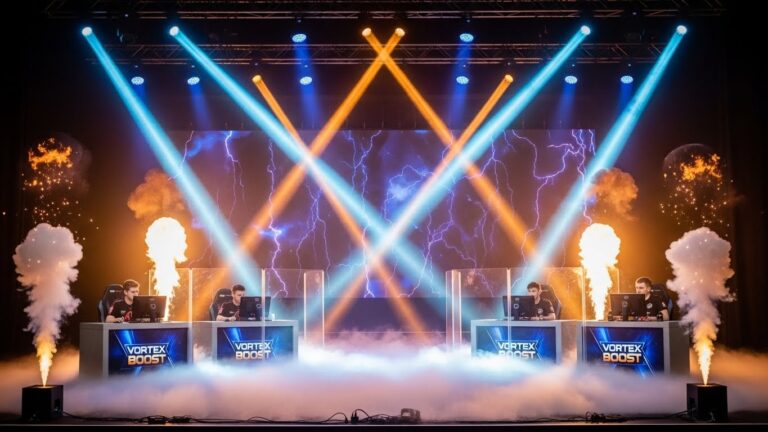
Today, esports attracts millions of viewers worldwide. Major tournaments like The International (Dota 2), the League of Legends World Championship, and Fortnite’s World Cup draw millions of viewers both in person and via online streaming platforms. The rise of esports has also led to the creation of professional leagues and franchises, much like the National Basketball Association (NBA) or the English Premier League. Teams compete year-round, training and strategizing just like athletes in traditional sports. This professionalization has paved the way for a multi-billion-dollar industry that continues to grow at an impressive pace.
Esports as a Legitimate Sport
The question of whether esports should be considered a legitimate sport has been debated for years. Skeptics often point to the lack of physical activity as a key difference between esports and traditional sports. However, the skills required for success in esports are not to be underestimated. Professional gamers need exceptional hand-eye coordination, rapid reflexes, problem-solving abilities, and deep strategic thinking. In many ways, esports requires the same level of discipline, focus, and mental endurance as traditional sports.
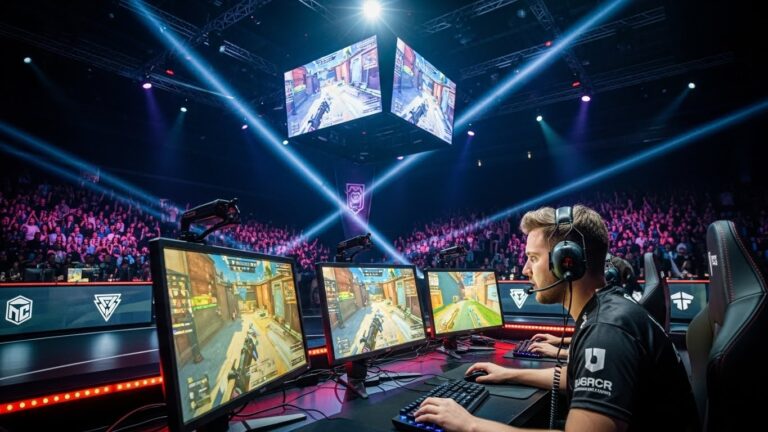
Like their counterparts in football or basketball, esports athletes undergo rigorous training regimens. Top-tier players practice for hours each day, refining their skills, analyzing opponents, and working with coaches to improve their performance. Just as a soccer player might study the game tapes of an opponent, esports players spend time watching replays, dissecting strategies, and staying up-to-date on game patches that could affect the meta (the most effective strategies in the game). This intense preparation and focus on performance make esports a sport in its own right.
Moreover, esports athletes face similar mental and physical challenges. The pressure to perform in front of large crowds or millions of online viewers can be immense. Just like traditional athletes, esports players can experience stress, burnout, and injuries such as repetitive strain injuries or eye strain from prolonged gaming. Teams employ psychologists and medical staff to help players manage their mental health, much like any other sports team would do. All of this points to the reality that esports is, in fact, a legitimate and demanding sport.
The Global Impact of Esports
One of the most remarkable aspects of esports is its global reach. Traditional sports often have a more localized or regional following, with strong fan bases in specific countries or areas. In contrast, esports has become a truly global phenomenon. The most popular games in the esports ecosystem are played by people from all over the world, with teams representing countries from every continent. For example, the League of Legends World Championship features teams from North America, Europe, South Korea, China, and beyond, all competing for the top prize.
This global nature of esports has fostered a sense of unity and connection between players and fans from different cultural backgrounds. Esports transcends language barriers, allowing fans to interact with one another, share content, and build communities based on their love for the games. It has also enabled players from countries with smaller esports scenes to make a name for themselves on the global stage. Whether it’s a player from the Philippines or a team from Brazil, esports offers opportunities to individuals regardless of their geographic location, creating a more inclusive gaming environment.
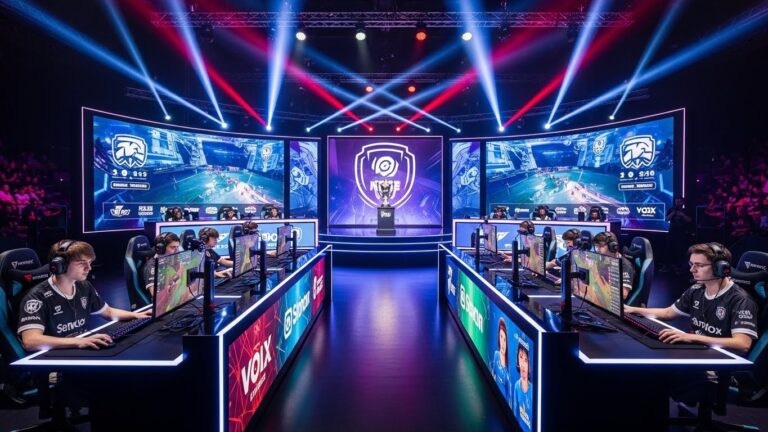
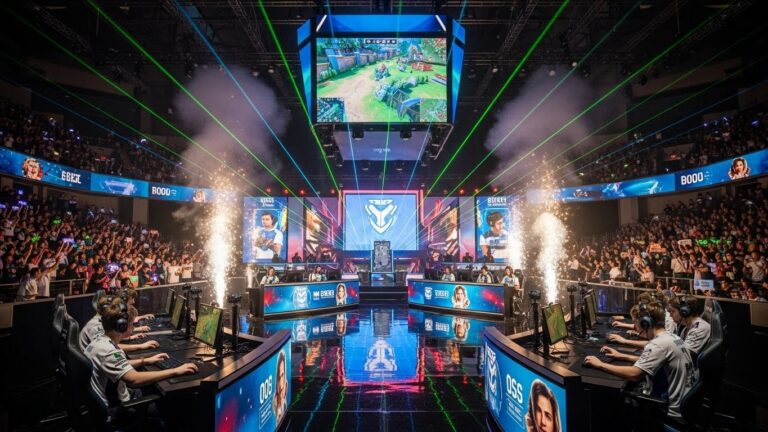
The international appeal of esports also leads to large-scale tournaments and events that draw millions of viewers, whether online or in person. Some esports events are held in massive arenas that rival the size of stadiums for traditional sports, attracting thousands of fans. In 2019, The International (Dota 2’s championship event) boasted a prize pool of over $30 million, with millions of viewers tuning in to watch the live stream. Major brands such as Coca-Cola, Intel, and Mercedes-Benz have recognized the power of esports and have begun to invest in sponsorships, further legitimizing the industry.
The Role of Streaming and Social Media
A significant factor in the rise of esports has been the growth of live-streaming platforms like Twitch and YouTube Gaming. These platforms have revolutionized the way we consume gaming content, allowing players to broadcast their gameplay to a global audience in real-time. Viewers can watch professional esports players compete live, interact with the community, and even learn strategies and tips directly from their favorite streamers.
Streaming has also created new career opportunities for gamers. Some players have turned their streaming channels into full-time businesses, earning money through advertisements, donations, and subscriptions from their viewers. The most successful streamers have become celebrities in their own right, with millions of followers and lucrative sponsorship deals. The rise of streaming has allowed esports to expand its reach beyond just the competitive scene, attracting a broader audience of casual fans who enjoy watching gaming content but may not necessarily participate in tournaments themselves.
Social media platforms like Twitter, Instagram, and TikTok also play a significant role in the promotion and growth of esports. These platforms allow players, teams, and organizations to interact with fans, share updates, and promote upcoming events. They’ve become essential tools for fan engagement, offering esports enthusiasts a chance to connect with their favorite players and stay up-to-date on the latest news in the industry.
Esports and Education: The Birth of Esports Programs in Schools
As esports continues to grow, many educational institutions are recognizing the value of competitive gaming. Schools and universities around the world are now offering esports programs, scholarships, and dedicated facilities for students interested in pursuing careers in esports. These programs provide aspiring players with the opportunity to hone their skills while also receiving an education.
Esports programs in schools help students develop a variety of skills, including teamwork, communication, leadership, and time management. Many universities now have esports teams that compete in national and international tournaments, and some schools have gone as far as to create esports arenas complete with top-tier gaming equipment and broadcasting capabilities. These developments reflect the growing importance of esports as a legitimate career path and educational pursuit.
Moreover, esports has become an important tool for promoting STEM (Science, Technology, Engineering, and Mathematics) education. Game development, broadcasting, and event management all require knowledge of technology, coding, and digital design. As the esports industry grows, it offers students unique opportunities to gain real-world experience in these fields, which can translate into high-demand career opportunities.
The Future of Esports
Looking ahead, the future of esports appears incredibly bright. The industry is expected to continue expanding, with more games, larger tournaments, and an even bigger fan base. Mobile gaming is also expected to play a key role in the future of esports, as smartphones and tablets continue to improve in terms of performance and connectivity. Mobile esports tournaments are already becoming more common, with games like PUBG Mobile and Clash Royale attracting competitive players from around the world.
Technological advancements, including virtual reality (VR) and augmented reality (AR), are likely to revolutionize the esports experience, offering new ways for players and fans to engage with games. VR and AR could create more immersive gaming environments, allowing players to step into the virtual world in ways that were previously unimaginable.
Esports will also likely continue to blur the line between traditional sports and digital competition. Major sports organizations and broadcasters are increasingly getting involved in the esports scene, and the lines between physical and digital sports may continue to merge. This integration could lead to exciting new developments and a more inclusive approach to what defines a “sport.”
Conclusion: Esports is Here to Stay
Esports is not just a passing trend—it’s a cultural and financial force that is transforming the world of sports. With its rapid growth, global reach, and professionalization, esports has proven itself to be a legitimate and valuable form of competition. It has already had a profound impact on gaming, entertainment, and education, and as technology continues to evolve, the potential for esports is limitless. Whether you’re a player, a fan, or an industry professional, it’s clear that esports is a cornerstone of the future of sports.
About the Author