
Introduction
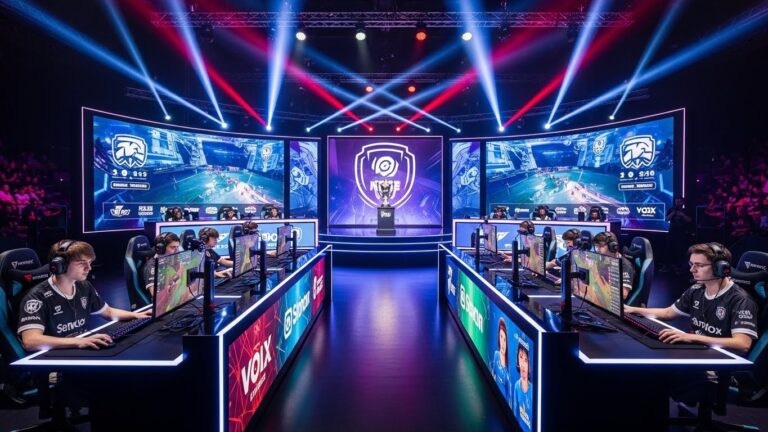
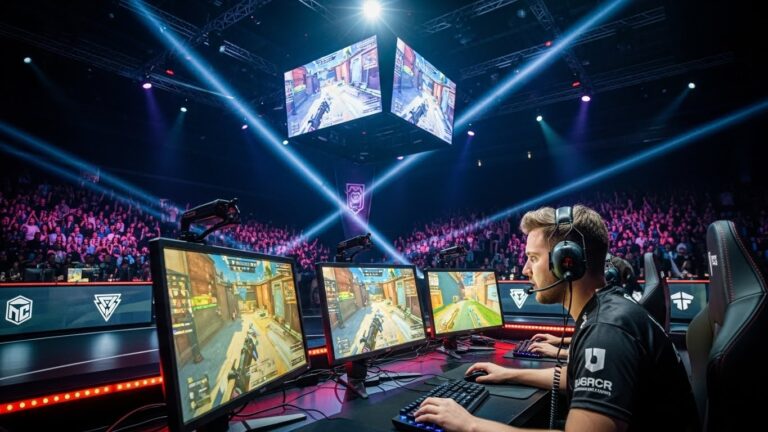
Esports, or competitive gaming, has transformed from a niche hobby into a global phenomenon, captivating millions of fans worldwide. What began as casual gaming competitions has now evolved into a professional industry with organized leagues, massive tournaments, lucrative sponsorships, and professional players who rival traditional athletes in fame and skill. The rise of esports is not just a story about gaming; it is a reflection of how technology, media, and culture converge in the digital era. This blog explores the growth, impact, and future of esports, highlighting its significance in modern entertainment.
The Origins of Esports
The origins of esports can be traced back to the late 1970s and early 1980s with arcade gaming competitions. Early events like the Space Invaders Championship in 1980 laid the groundwork for organized gaming tournaments. The 1990s saw a surge in multiplayer PC games, particularly first-person shooters and real-time strategy titles, which fueled competitive gaming communities. Games like StarCraft and Quake gained popularity in Asia, Europe, and North America, establishing esports as a serious competitive pursuit.
The rise of the internet further accelerated esports by enabling online multiplayer gaming. Players from different parts of the world could compete, practice, and share strategies, creating global communities. LAN tournaments and early professional leagues began to formalize the competitive aspect, setting the stage for modern esports infrastructure.
The Popularity Surge of Esports
Esports has experienced unprecedented growth in the past decade. Advances in technology, streaming platforms, and social media have made it accessible to a global audience. Games such as League of Legends, Dota 2, Counter-Strike: Global Offensive, Fortnite, and Call of Duty have attracted millions of players and viewers, creating massive fan bases.
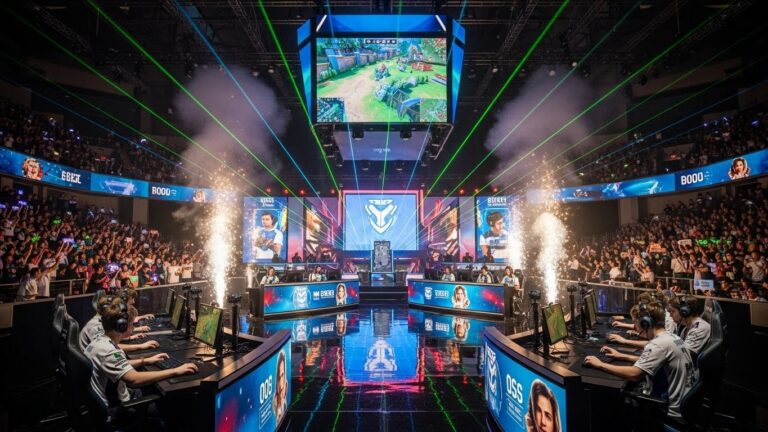
The rise of live streaming platforms like Twitch and YouTube Gaming has allowed fans to watch gameplay in real-time, interact with players, and join communities centered around their favorite teams and titles. Esports events now rival traditional sports in viewership, with major tournaments filling arenas and online broadcasts attracting tens of millions of viewers worldwide.
Professionalization and Career Opportunities
Esports has evolved into a legitimate career path. Professional players, often referred to as esports athletes, compete in leagues and tournaments with significant prize pools. Top-tier tournaments can offer prize money exceeding millions of dollars, rivaling earnings in traditional sports.
Beyond players, esports provides numerous career opportunities in coaching, management, content creation, broadcasting, marketing, and game development. Teams operate like professional sports organizations, with training regimens, strategies, and performance analytics. Sponsorship deals with global brands, apparel companies, and tech manufacturers contribute to a sustainable industry ecosystem.
The Role of Technology in Esports
Technology is the backbone of esports, enabling gameplay, competition, and audience engagement. High-performance gaming PCs, consoles, and peripherals allow players to perform at peak levels. Network infrastructure, particularly low-latency internet, is essential for competitive online play.
Streaming technology has also revolutionized esports consumption. High-definition broadcasts, live commentary, instant replays, and interactive chat features create a spectator experience that rivals traditional sports. Virtual reality and augmented reality innovations are beginning to influence gameplay and fan engagement, offering immersive experiences that expand the boundaries of esports.
The Economic Impact of Esports
Esports has become a major economic force, generating billions of dollars annually. Revenue streams include tournament ticket sales, sponsorship deals, merchandise, media rights, and advertising. Companies recognize the value of esports in reaching younger, tech-savvy audiences, making it a prime marketing platform.
Local economies benefit from hosting international tournaments, as fans travel for events, boosting tourism, hospitality, and related services. The industry’s growth has also spurred entrepreneurship, with opportunities in content creation, esports academies, analytics, and game development, contributing to employment and innovation globally.
Social and Cultural Influence of Esports
Esports has a profound social and cultural impact. Competitive gaming communities foster teamwork, communication, and strategic thinking, allowing players to build relationships across borders. Online platforms encourage collaboration, fan interaction, and creative content sharing, creating vibrant social ecosystems.
Culturally, esports is redefining perceptions of gaming. Professional players are now celebrated figures, and esports teams enjoy fan followings comparable to traditional sports franchises. Tournaments are broadcast globally, influencing fashion, music, and lifestyle trends. The rise of esports has also encouraged inclusivity, with players of different genders, backgrounds, and abilities competing on the same stage.
Education and Esports
Esports has found a place in educational institutions. Universities and high schools are creating esports programs, providing scholarships, and developing competitive teams. These programs teach students teamwork, strategic thinking, communication skills, and digital literacy. Some programs also offer pathways to careers in game development, broadcasting, and management, bridging the gap between education and professional esports opportunities.
Educational initiatives emphasize responsible gaming practices, healthy lifestyles, and time management, addressing concerns about gaming addiction while highlighting the potential benefits of competitive play.
Challenges Facing Esports
Despite its growth, esports faces challenges. The industry must navigate issues like player burnout, mental health, and the physical demands of prolonged gaming sessions. The pressure to perform at high levels can lead to stress, anxiety, and long-term health concerns.
Regulation and governance are also critical. Standardized rules, fair play policies, anti-cheating measures, and ethical sponsorship practices are essential for maintaining credibility. Ensuring diversity, inclusion, and equal opportunity within esports is an ongoing challenge that the industry continues to address.
The Future of Esports
The future of esports is bright and full of potential. Advancements in technology, including virtual reality, augmented reality, and artificial intelligence, will enhance gameplay and audience interaction. Cloud gaming may make high-quality esports accessible on a broader range of devices, expanding the global audience.
Esports will continue to integrate with mainstream media, entertainment, and traditional sports. Partnerships with broadcasters, sponsorships with major brands, and cross-industry collaborations will create new opportunities for growth. The industry’s influence on culture, technology, and entertainment will only expand, solidifying esports as a central pillar of modern digital life.
Conclusion
Esports has evolved from small-scale competitions into a global cultural and economic powerhouse. Its growth reflects the convergence of technology, media, and social interaction, providing entertainment, career opportunities, and community engagement. As technology advances and audiences continue to expand, esports is set to redefine the landscape of entertainment for generations to come. Competitive gaming is no longer just a hobby; it is a professional, cultural, and economic force that demonstrates the transformative power of interactive digital experiences.
About the Author