Introduction to the World of Esports
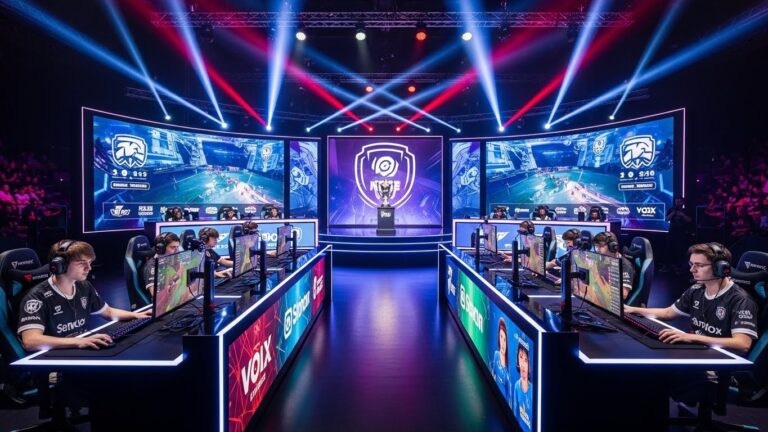
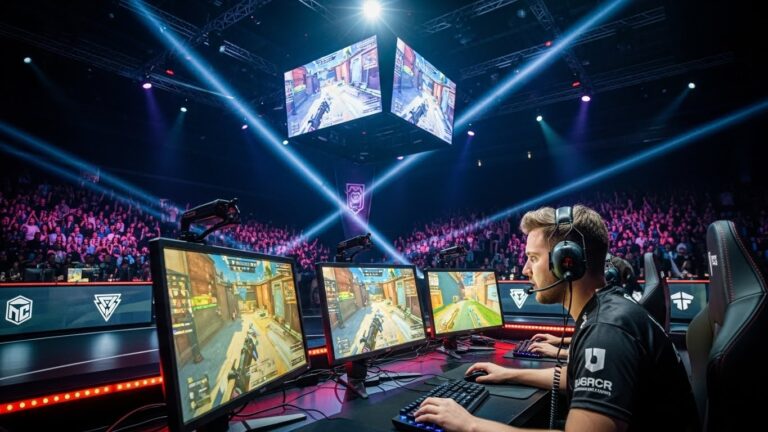
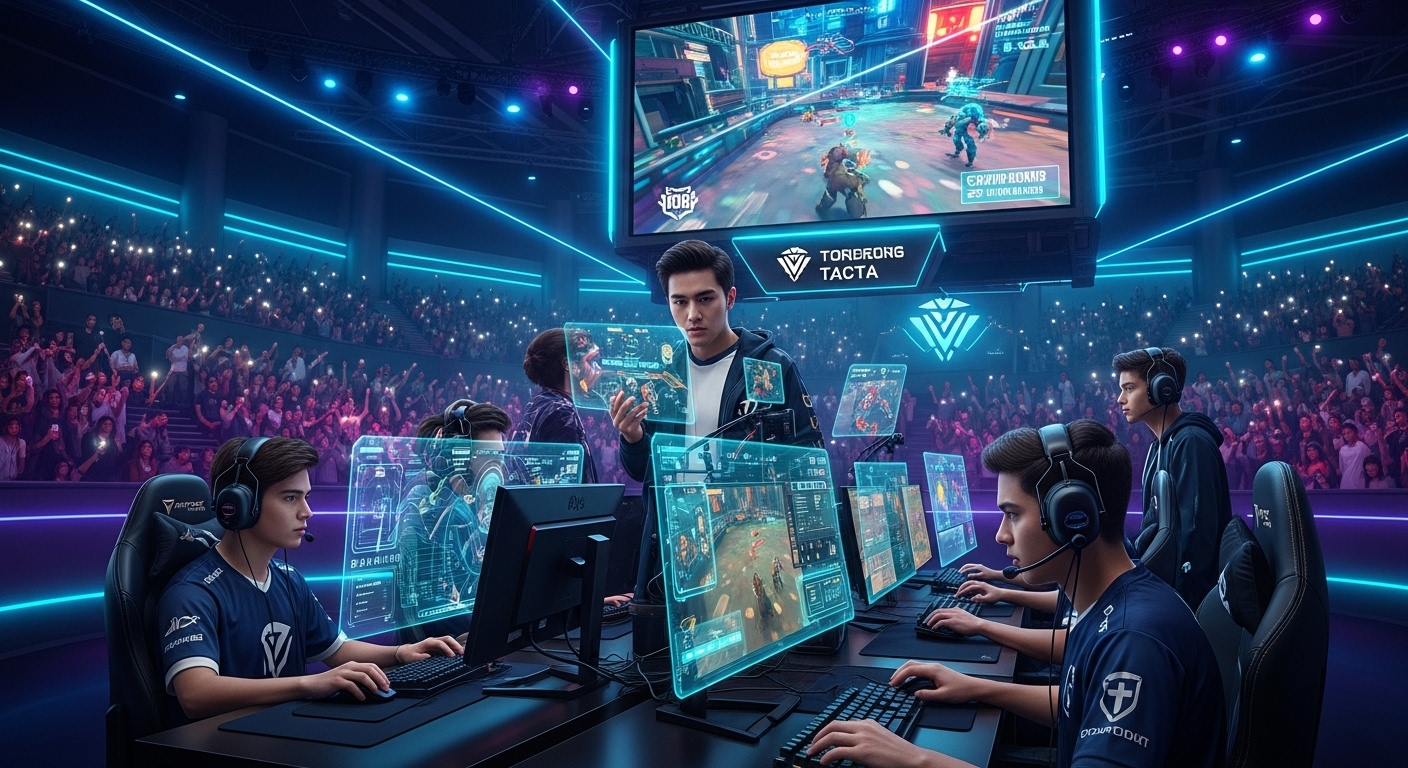
Esports, short for electronic sports, has transformed from a niche pastime into a global phenomenon. It represents the competitive side of video gaming, where skilled players and teams compete in organized tournaments for prestige, recognition, and significant prize money. What was once seen as a hobby for enthusiasts sitting in front of computer screens has now become a billion-dollar industry that attracts millions of viewers across the world. The journey of Esports from small LAN parties to massive international events held in arenas filled with cheering fans is a remarkable story of innovation, dedication, and digital progress.
The Early Days of Competitive Gaming
The origins of Esports can be traced back to the late 20th century when video games first entered the mainstream. In the 1970s, gaming was largely a casual activity, but even then, players began to show a desire for competition. One of the first recorded gaming competitions took place in 1972 at Stanford University, where students competed in a game called Spacewar. The prize for the winner was a year’s subscription to a magazine, but this humble event planted the seeds for something much larger.
As technology evolved in the 1980s and 1990s, gaming consoles like Nintendo and Sega brought gaming into homes across the world. Arcade games such as Pac-Man and Street Fighter became cultural icons, and players began to chase high scores and local fame. Competitive gaming started to grow organically, with small tournaments being held at local arcades, schools, and community centers.
The Emergence of Online Gaming and Global Competition
The real turning point for Esports came with the arrival of the internet. The late 1990s and early 2000s saw the rise of online gaming, allowing players from different cities, countries, and even continents to compete against each other without needing to be in the same physical space. This development revolutionized competitive gaming. Titles like Quake, Counter-Strike, and StarCraft became the foundation of the first major Esports communities.
South Korea, in particular, played a vital role in shaping Esports as we know it today. The country’s technological advancements, high-speed internet, and passion for gaming turned competitive play into a mainstream form of entertainment. Televised StarCraft tournaments drew massive audiences, making professional gamers national celebrities. The success of Esports in South Korea inspired other countries to recognize the potential of competitive gaming.
The Rise of Professional Esports Organizations
As Esports continued to grow, it began to adopt the structure of traditional sports. Professional teams, sponsors, coaches, and analysts entered the scene. Organizations like Team Liquid, Fnatic, Cloud9, and T1 became household names in the gaming community. These teams recruited talented players from around the world, offering them contracts, salaries, and performance incentives.
The creation of professional leagues added further legitimacy to the industry. Games such as League of Legends, Dota 2, and Overwatch established structured competitive circuits with regular seasons, playoffs, and world championships. Prize pools began to climb into the millions, and Esports became a viable career path for many skilled players. What was once considered a hobby was now a respected profession requiring discipline, strategy, teamwork, and mental endurance.
The Expansion of Esports Titles and Genres
One of the most fascinating aspects of Esports is its diversity. Unlike traditional sports that focus on physical activities such as running or throwing, Esports spans multiple genres and styles of play.
Real-Time Strategy games like StarCraft emphasize quick decision-making and resource management. Multiplayer Online Battle Arena (MOBA) games such as League of Legends and Dota 2 test teamwork, communication, and tactical execution. First-Person Shooters (FPS) like Counter-Strike: Global Offensive, Valorant, and Call of Duty demand precision, reflexes, and situational awareness.
Sports simulation titles such as FIFA and NBA 2K bring traditional sports fans into the digital arena, while Battle Royale games like Fortnite and Apex Legends have attracted younger audiences with their fast-paced, unpredictable gameplay. This diversity allows Esports to appeal to a broad range of players and spectators, ensuring its continued expansion.
Esports as an Entertainment Industry
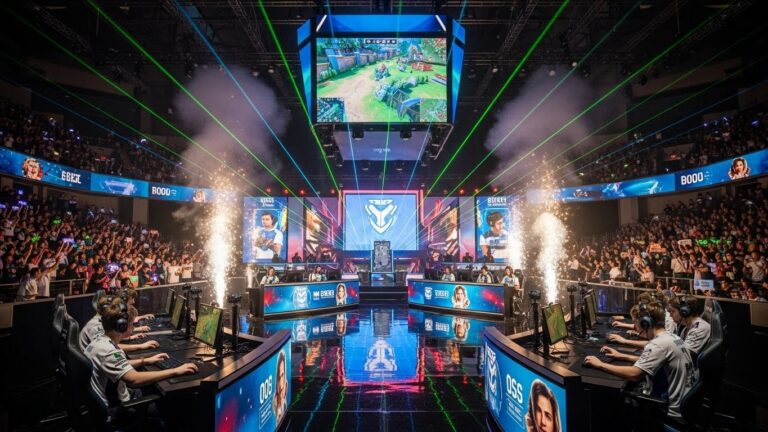
Beyond competition, Esports has evolved into a massive entertainment industry. Major tournaments fill entire stadiums, with thousands of fans attending in person and millions watching online. Events such as The International for Dota 2, the League of Legends World Championship, and the Fortnite World Cup have redefined what gaming events can achieve.
Streaming platforms have been instrumental in this growth. They allow fans to watch live matches, follow their favorite players, and interact with content creators in real time. Esports broadcasts often feature professional commentators, analysts, and production teams comparable to those found in traditional sports broadcasting. The excitement, the stories, and the rivalries keep audiences coming back for more.
The Economics of Esports
The Esports economy has become a major force in the global entertainment market. Revenue streams come from sponsorships, advertising, media rights, ticket sales, and merchandise. Major brands outside of gaming, including car manufacturers, tech giants, and energy drink companies, have invested heavily in Esports sponsorships.
Prize pools continue to grow every year. The International, hosted by Valve for Dota 2, once surpassed tens of millions in total prizes, a record-breaking figure for any gaming competition. These financial incentives have motivated players to train rigorously and dedicate years to mastering their craft.
Moreover, universities and colleges around the world have begun offering Esports scholarships, recognizing the intellectual and strategic value of competitive gaming. This academic acceptance further validates Esports as a legitimate pursuit, not just entertainment.
The Role of Technology in Esports Growth
Technological innovation has always been at the heart of Esports. Advancements in hardware, such as high-refresh-rate monitors, powerful graphics cards, and low-latency networks, have made competitive gaming smoother and more precise. Streaming technology allows fans from any corner of the globe to watch matches in real time with minimal delay.
Artificial intelligence, virtual reality, and augmented reality are expected to shape the future of Esports even further. AI can analyze player performance and suggest improvements, while VR and AR may offer entirely new dimensions of interactive competition. As technology continues to evolve, so too will the boundaries of what Esports can achieve.
The Cultural Impact of Esports
Esports is more than just gaming; it has become a cultural movement that transcends geographical and linguistic barriers. Players and fans from different backgrounds unite through their shared love of competition and creativity. The global community surrounding Esports is diverse, passionate, and inclusive.
Esports has also influenced fashion, music, and lifestyle. Gaming apparel, custom hardware, and brand collaborations have become part of pop culture. Some Esports athletes are now as popular as traditional sports stars, boasting millions of followers across social media. Esports has created new idols for younger generations—figures who inspire through skill, perseverance, and innovation rather than physical prowess.
Challenges Facing the Esports Industry
Despite its tremendous success, Esports faces several challenges that must be addressed to ensure sustainable growth. One major issue is player burnout. Professional gamers often train for long hours under high pressure, leading to mental fatigue and health issues. Organizations are now investing in player wellness programs to combat these problems.
Another challenge is maintaining competitive integrity. Cheating, match-fixing, and performance-enhancing tools pose risks to the fairness of competition. To counter this, tournament organizers have implemented strict regulations, anti-cheat software, and disciplinary systems.
Esports also faces issues of representation and inclusivity. While the community is global, there is still a need to encourage greater participation from underrepresented groups, including women and minorities. Creating a more inclusive environment will only strengthen the Esports ecosystem.
The Role of Education and Career Opportunities in Esports
As Esports becomes more mainstream, educational institutions are embracing it as a field of study. Programs focusing on game design, event management, marketing, and broadcasting are preparing students for careers in this dynamic industry. Universities are forming competitive teams, offering scholarships, and hosting collegiate tournaments.
Beyond professional gaming, there are numerous career opportunities in Esports. These include coaching, commentary, journalism, production, and analytics. The industry requires professionals with diverse skills, from data science to business management, ensuring that Esports contributes significantly to employment and innovation in the digital economy.
Esports and the Global Stage
International Esports tournaments have brought together players from every continent, creating a truly global form of entertainment. Events like the Asian Games have even included Esports as an official medal event, marking a historic recognition of gaming as a legitimate sport. This inclusion is a major milestone and signals the growing acceptance of Esports in the world of athletic competition.
Countries are now establishing Esports federations, government initiatives, and national teams. These developments ensure that the industry continues to grow with structure and regulation, much like traditional sports. The potential for Esports to be part of future Olympic Games is also being discussed, a possibility that would mark the ultimate validation of competitive gaming as a sport.
The Future of Esports
The future of Esports looks brighter than ever. With the ongoing expansion of internet access and gaming technology, new audiences are being introduced to the world of digital competition every day. Emerging markets in Asia, Africa, and Latin America are rapidly developing Esports scenes, contributing to global diversity and innovation.
The next decade will likely see Esports becoming an even greater force in entertainment. Virtual reality, metaverse experiences, and AI-driven competitions may redefine what it means to play and watch games. The boundaries between traditional sports and Esports may continue to blur, with both industries learning from each other in terms of training, marketing, and fan engagement.
Conclusion: The New Age of Competitive Entertainment
Esports represents the evolution of human competition in the digital era. It combines skill, strategy, creativity, and community in a way that resonates with modern audiences. What began as a simple pastime has become a global cultural and economic powerhouse. The dedication of players, the passion of fans, and the innovation of technology have collectively built an ecosystem that continues to grow and inspire.
As Esports moves into the future, it will not only entertain but also educate, connect, and empower. It stands as a symbol of how digital culture can bring people together, transcend boundaries, and redefine what it means to compete. The rise of Esports is more than just a gaming story—it is a testament to human progress, creativity, and the power of connection in the digital age.
About the Author