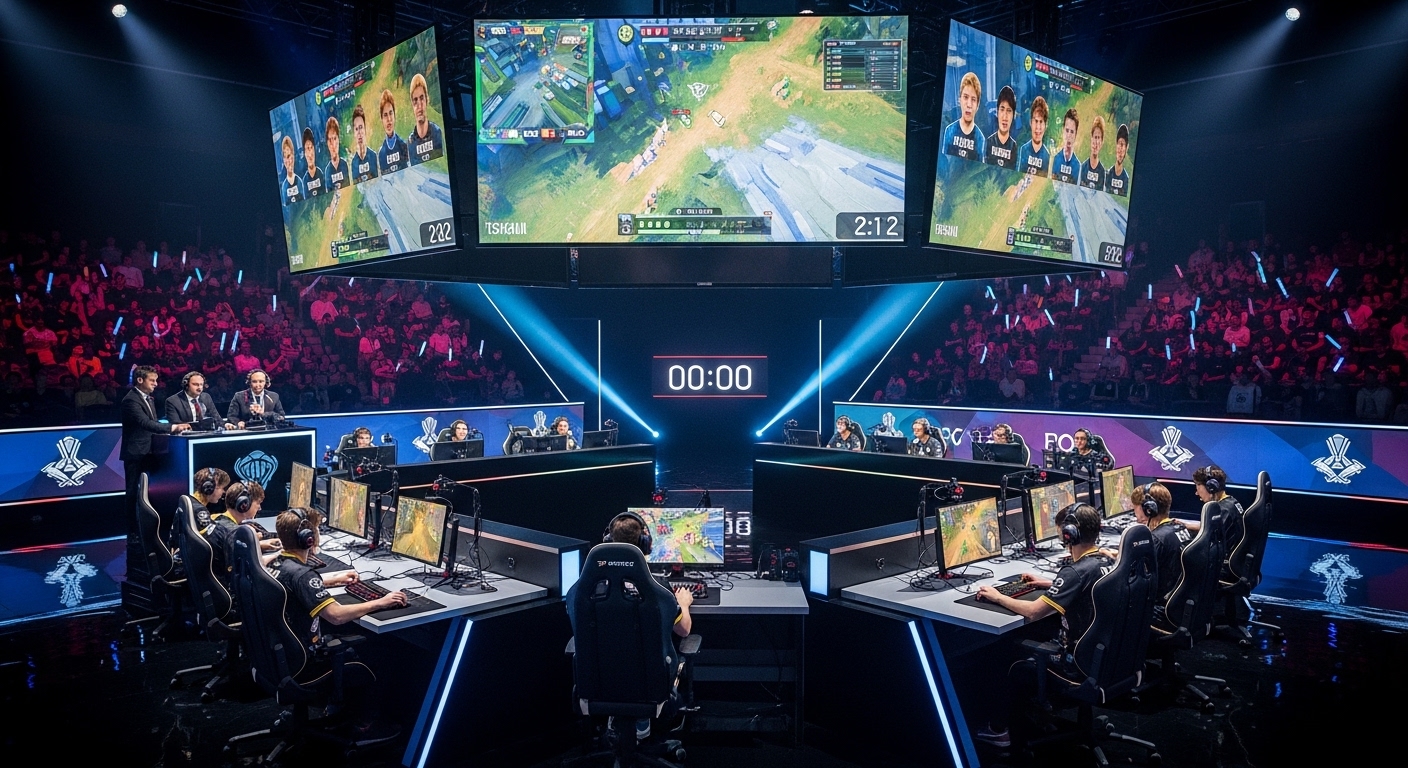
Introduction: The Birth of a Digital Battlefield
In the past few decades, the world has witnessed an extraordinary transformation in how people perceive competition, entertainment, and digital technology. What was once seen as a simple pastime of playing video games has evolved into a massive global industry known as Esports, short for electronic sports. Esports has redefined the boundaries of sportsmanship, community, and technology by transforming video gaming into a legitimate, organized, and professional competition. Unlike traditional sports that rely on physical endurance and athleticism, Esports is a realm where mental agility, reflexes, strategy, and team coordination reign supreme. This phenomenon has not only changed the gaming landscape but also the cultural, economic, and social narratives of the twenty-first century.
The Early Foundations of Esports
The concept of competitive gaming is not new. The first recorded video game competition took place at Stanford University in 1972, where students competed in the game Spacewar!. The winner received a year’s subscription to Rolling Stone magazine, a small prize compared to the multimillion-dollar rewards that modern Esports champions earn today. During the 1980s, arcade games such as Pac-Man and Donkey Kong became testing grounds for early high-score competitions. Magazines like Twin Galaxies started publishing leaderboards, recognizing top players across the country. These early efforts laid the foundation for a culture of competitive gaming that would grow exponentially with the rise of the internet.
The 1990s were pivotal for Esports as technology advanced rapidly. The release of Doom, Quake, and StarCraft gave rise to online multiplayer modes, allowing players from different regions to face each other virtually. LAN parties became a common phenomenon, where gamers gathered with their computers to compete in the same physical space. By the late 1990s, professional gaming tournaments began to take shape, most notably the Cyberathlete Professional League (CPL) and World Cyber Games (WCG). These events marked the first attempts to formalize competitive gaming and create a structured ecosystem for players.
The Explosion of Online Gaming and Global Reach
With the rise of broadband internet in the early 2000s, Esports took on a new dimension. Online platforms enabled seamless multiplayer experiences, and games like Counter-Strike, Warcraft III, and Dota became the backbone of early Esports tournaments. South Korea, in particular, became a global hub for Esports during this period. The government’s investment in high-speed internet infrastructure and cultural acceptance of gaming as a legitimate pursuit led to the establishment of professional teams, televised matches, and fan bases that rivaled traditional sports. Games such as StarCraft: Brood War turned players like Lim “BoxeR” Yo-hwan into national icons, proving that Esports could command mass audiences and celebrity status.
This movement inspired other countries to follow suit. Western nations began forming their own teams and leagues, recognizing the potential of Esports as a global entertainment industry. As technology improved, streaming platforms such as Twitch revolutionized the accessibility of gaming content. Millions of fans could now watch live tournaments, follow their favorite players, and engage with the community in real-time. This democratization of viewership helped Esports grow from niche gatherings into mainstream spectacles.
The Era of Professionalization and Massive Investment
As Esports gained traction, corporations, sponsors, and investors recognized the enormous potential of this emerging field. The early 2010s saw a surge in organized leagues, endorsements, and structured team management. Esports organizations like Team Liquid, Cloud9, and Fnatic began operating with the same professionalism as football or basketball franchises. Players signed contracts, coaches were hired, and analysts studied opponents’ playstyles. This professionalization not only elevated the competitive standard but also legitimized Esports in the eyes of skeptics.
Major game developers began to support Esports by designing titles specifically suited for competitive play. Games such as League of Legends, Dota 2, and Counter-Strike: Global Offensive became global phenomena. Riot Games and Valve Corporation invested millions in tournaments, creating spectacles like The International and the League of Legends World Championship, where prize pools reached tens of millions of dollars. These events attracted sponsors from industries as diverse as technology, energy drinks, automotive, and even fashion, signifying that Esports had truly entered the mainstream business ecosystem.
The Role of Streaming and Digital Communities
No factor has contributed more to the rise of Esports than streaming technology. Platforms like Twitch, YouTube Gaming, and later Facebook Gaming turned Esports into a globally accessible form of entertainment. Anyone with an internet connection could tune in to live events, interact with commentators, and chat with other fans. Unlike traditional sports broadcasting, streaming provided a more personal and interactive experience, where fans could directly communicate with their favorite players or watch behind-the-scenes content.
Streaming also gave rise to gaming influencers who blurred the line between athlete and entertainer. Personalities such as Ninja, Shroud, and Pokimane became household names, amassing millions of followers and sponsorships. These figures acted as gateways for casual audiences to discover competitive gaming. Moreover, Esports content extended beyond tournaments to include tutorials, analyses, and documentaries, fostering a more knowledgeable and passionate fan base.
Cultural Acceptance and Changing Perceptions
One of the biggest challenges Esports faced was overcoming the stigma associated with video gaming. For decades, games were dismissed as distractions or a waste of time. However, as Esports grew into a multibillion-dollar industry, attitudes shifted dramatically. Universities began offering scholarships for Esports athletes, recognizing the skill, discipline, and teamwork involved. Governments, particularly in Asia and Europe, started classifying professional gamers as athletes, granting them visas and legal status to compete internationally.
The cultural shift was further amplified by media coverage. Major outlets like ESPN and BBC began broadcasting Esports events, while documentaries and feature films explored the dedication and emotion behind the competition. This mainstream exposure highlighted that Esports required the same level of strategy, endurance, and mental resilience as traditional sports. The average viewer base diversified, with fans ranging from teenagers to adults in their 30s and 40s. Esports became a family-friendly, globally shared experience, crossing cultural and linguistic barriers through the universal language of competition.
Economic Powerhouse and Global Impact
The Esports industry today generates billions in revenue annually, encompassing sponsorships, advertising, merchandise, ticket sales, and media rights. The scale of this economy rivals many traditional sports. Countries like China, the United States, and South Korea have built multi-million-dollar arenas dedicated exclusively to Esports tournaments. The infrastructure surrounding Esports — including coaching, training facilities, production crews, and analytics teams — supports thousands of jobs worldwide.
The economic implications extend beyond the competition itself. Esports drives sales of gaming hardware, such as high-performance computers, peripherals, and accessories. It has also influenced fashion, music, and even education. Brands now collaborate with gaming franchises to release co-branded apparel or music tracks. Universities and technical institutes have established Esports management programs, creating a new generation of professionals equipped to sustain and expand the industry. In many ways, Esports has become a cultural export, showcasing a blend of technology, creativity, and passion that resonates globally.
The Psychological and Physical Demands of Esports Athletes
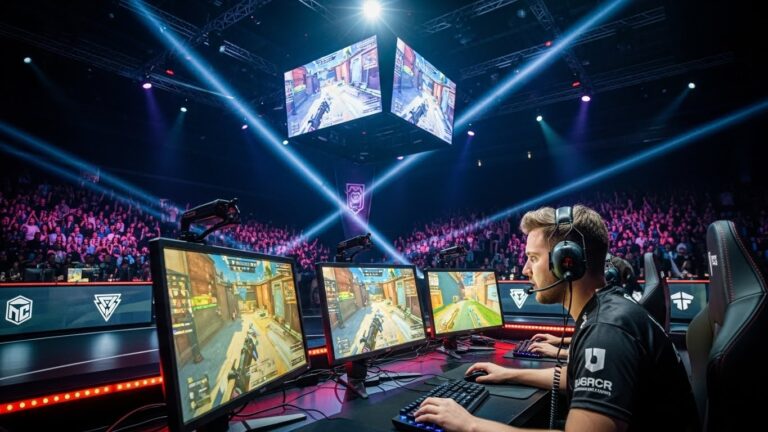
Contrary to popular belief, Esports athletes endure rigorous training routines. Professional players often practice for eight to twelve hours a day, refining their reflexes, strategies, and team coordination. Mental stamina plays a crucial role, as split-second decisions can determine victory or defeat. Players must maintain exceptional focus, emotional control, and resilience under pressure. Many teams employ sports psychologists to help manage stress and prevent burnout.
The physical toll of gaming is also significant. Although Esports may not involve intense physical movement, players face issues such as eye strain, repetitive stress injuries, and poor posture. As a result, professional organizations have adopted holistic health programs that include physical exercise, balanced nutrition, and ergonomic design to ensure player longevity. The perception of Esports athletes as lazy or unfit has faded as the industry embraces a more comprehensive approach to health and performance.
The Role of Technology and Innovation
Technology lies at the heart of Esports. Every major advancement in computing, graphics, and internet speed has propelled the industry forward. Artificial intelligence and data analytics now play a pivotal role in performance analysis. Teams study massive datasets to identify patterns, weaknesses, and optimal strategies. Virtual reality and augmented reality are also emerging, promising to revolutionize how Esports are played and viewed. Spectators may soon experience immersive matches where they can step virtually into the battlefield alongside their favorite players.
Furthermore, the integration of blockchain and NFTs has begun to reshape the economic ecosystem of gaming. Players can own digital assets, skins, and collectibles that hold real-world value. Tournament organizers are exploring decentralized platforms for transparent prize distribution and fan engagement. The merging of Esports with Web3 technology signals an even more interconnected and community-driven future for the industry.
Education and the Esports Curriculum
As Esports continues to grow, educational institutions are recognizing its academic and developmental value. Schools and universities around the world are introducing Esports programs that teach not just gameplay but also event management, marketing, broadcasting, and game design. Students learn teamwork, leadership, communication, and problem-solving through Esports — skills that are transferable to numerous professions. Some institutions even offer degrees in Esports management or scholarships for top-tier players.
These initiatives validate Esports as a legitimate career path rather than a hobby. Parents and educators who once opposed gaming now see it as an opportunity for students to develop digital literacy and entrepreneurial skills. Esports education bridges the gap between entertainment and professional development, fostering innovation and inclusivity in the digital era.
The Social Impact and Community Aspect
Beyond competition and profit, Esports thrives on community. Gaming has always been a social activity, and Esports amplifies that connection on a global scale. Online platforms and social media allow fans to interact, share content, and support their favorite teams. This sense of belonging is one of the driving forces behind Esports’ sustained popularity. Events such as BlizzCon and DreamHack bring together thousands of people in physical spaces, blending virtual and real-world interaction.
Esports also serves as a platform for diversity and inclusion. Women, LGBTQ+ gamers, and players from underrepresented regions are increasingly finding space within the industry. Although challenges remain in terms of equality and representation, Esports is gradually breaking barriers that have historically limited access to competitive gaming. Initiatives promoting inclusivity, mentorship, and safe online environments are shaping a more positive and open community.
Esports and Traditional Sports: A Convergence of Worlds
The boundary between Esports and traditional sports continues to blur. Major sports organizations, including football clubs and basketball franchises, have invested in Esports teams. The NBA 2K League, FIFA tournaments, and Formula 1 virtual racing are prime examples of how traditional sports have embraced digital counterparts. These collaborations highlight the shared values of competition, skill, and entertainment that unite both worlds.
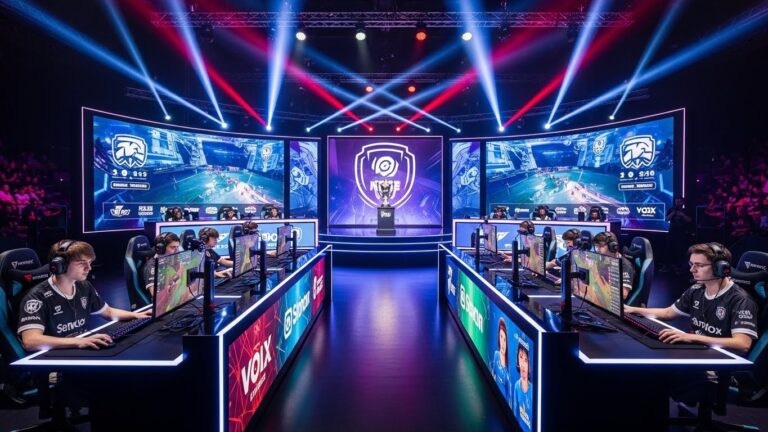
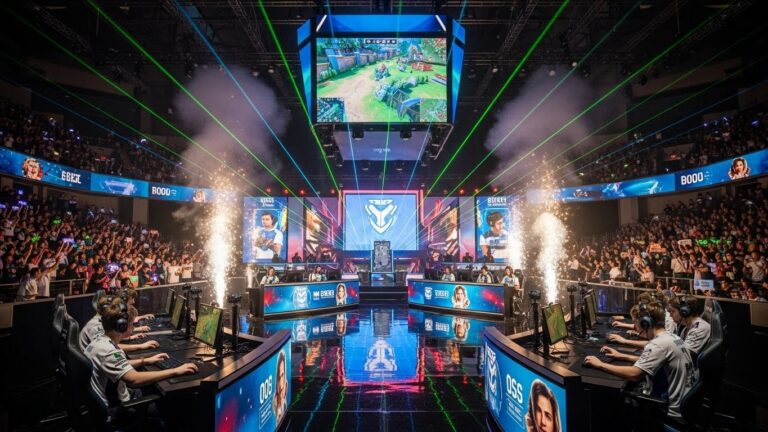
Esports events are now hosted in arenas once reserved for physical sports, and the excitement is equally palpable. Commentators, fans, and sponsors treat Esports tournaments with the same enthusiasm as any major championship. The International Olympic Committee has even discussed the inclusion of Esports in future Olympic programs, signaling a profound cultural acceptance and merging of athletic traditions.
The Challenges and Criticisms
Despite its success, Esports faces numerous challenges. One of the major issues is player burnout due to intense schedules and limited career longevity. The industry’s rapid expansion has also raised concerns about fair play, match-fixing, and the integrity of online competitions. Additionally, the lack of standardized regulations across countries creates confusion regarding contracts, prize distribution, and player rights.
Monetization and sustainability remain ongoing debates. While top players and organizations earn substantial income, smaller teams often struggle to survive without sponsorships. The dependency on a few major game titles also poses a risk; if a game’s popularity declines, so too does the livelihood of its competitive ecosystem. Addressing these structural challenges is essential to ensuring Esports’ long-term stability.
The Future of Esports: A Vision Beyond the Screen
Looking ahead, the future of Esports is bright and boundless. Advancements in virtual reality, artificial intelligence, and interactive streaming promise to reshape the spectator experience. The lines between player and viewer will continue to blur as audiences gain more immersive and participatory roles. Esports could become an integral part of the metaverse — a shared digital space where competition, creativity, and community converge seamlessly.
As generations grow up in an era dominated by digital technology, Esports will continue to represent not just entertainment but identity, culture, and opportunity. It will redefine what it means to be an athlete, a fan, and a global citizen in a connected world. The rise of Esports is not merely a trend; it is a reflection of humanity’s evolving relationship with technology, storytelling, and the spirit of competition.
Conclusion: The Power of Play and the Future of Human Connection
Esports stands as a testament to how far digital entertainment has come. From the humble arcades of the 1980s to global stadiums filled with cheering fans, the journey of competitive gaming reflects the relentless pursuit of excellence that defines all forms of sport. It bridges generations, cultures, and continents through shared passion and play. What began as pixels on a screen has transformed into an empire that celebrates creativity, intelligence, and unity.
As the world continues to evolve, Esports will remain a powerful symbol of human adaptability and innovation. It reminds us that even in virtual arenas, the essence of competition — courage, strategy, and teamwork — remains deeply human. The digital battlefield is here to stay, and in it, the future of sports continues to be rewritten with every click, every match, and every victory.
About the Author